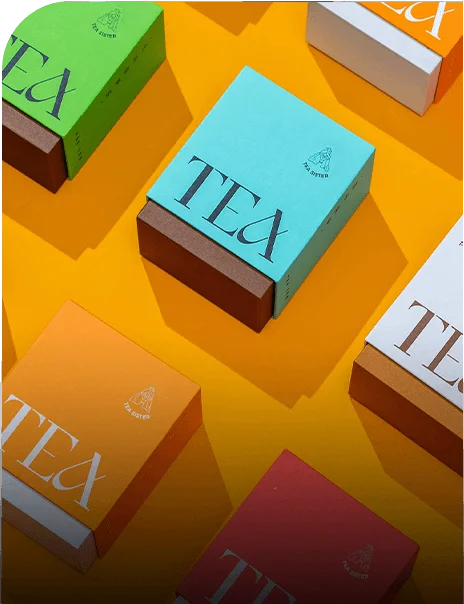
























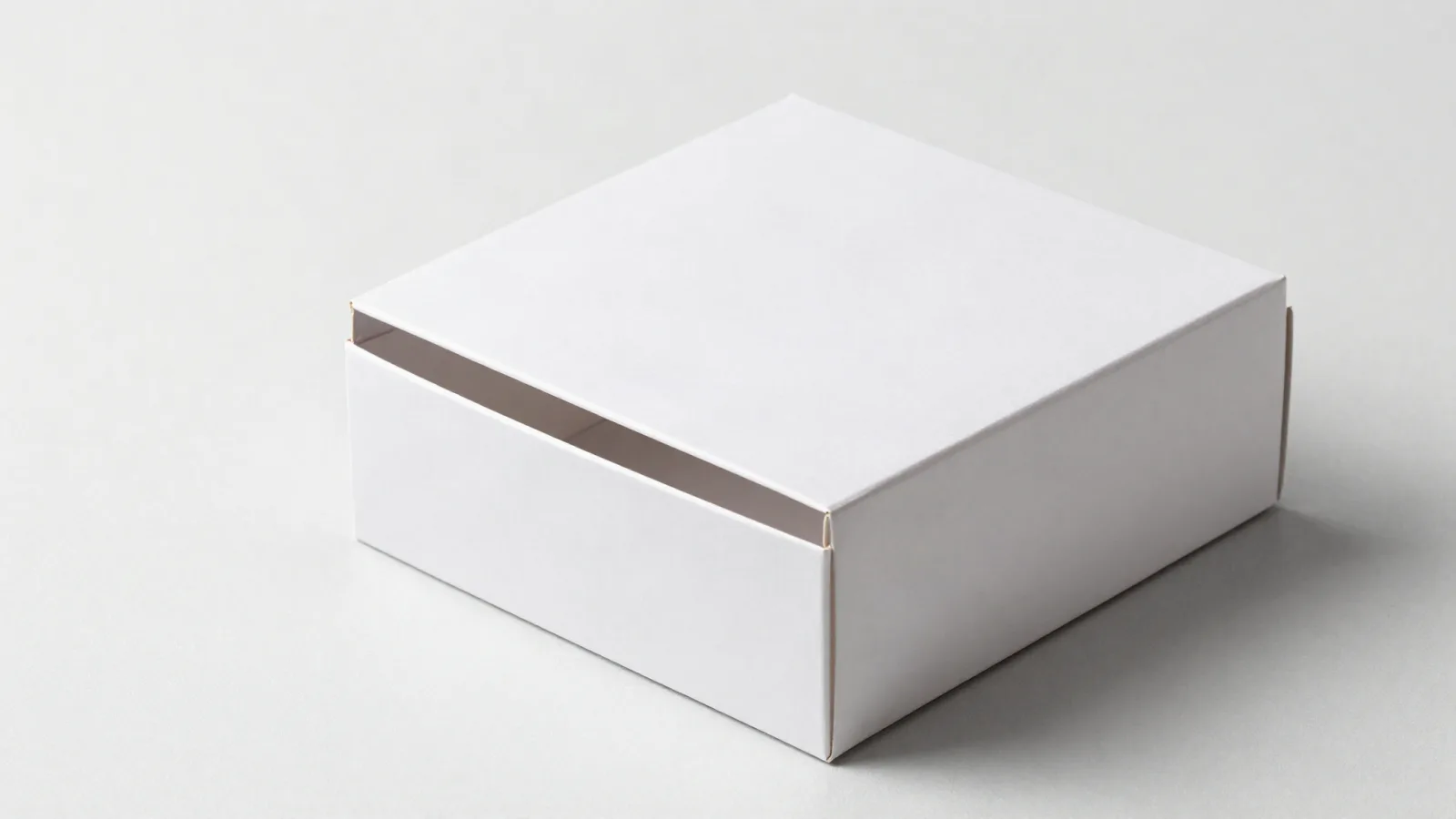



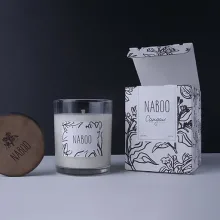
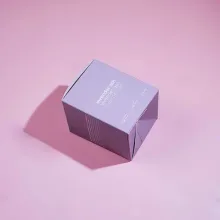
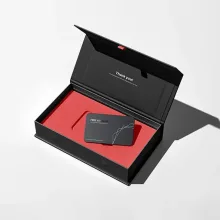
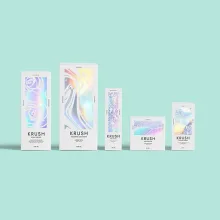





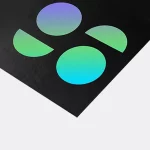
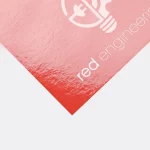






























Fragrance packaging is the outer box, insert, printed surface, and opening path that hold a scent bottle as a finished presentation. A rigid box is built from chipboard wrapped in printed paper, so it holds its shape without a fold. Custom Packaging Lane's rigid-box finish and insert directions can frame a project around standard fragrance bottle formats, while the actual bottle, closure, and artwork set the finished specification.
The minimum order quantity (MOQ) for a custom fragrance packaging project is 100 units. Keep the bottle record beside the artwork from the first dieline through the digital proof. A guessed bottle measurement can put a cap into the lid, shift the label away from the front panel, or leave an insert with too little clearance.
How should fragrance packaging fit the bottle?
Start with the bottle in its packed position, with the closure installed and the label facing the intended panel. Record the widest profile, total height, cap shape, base, accessory, and any card that stays inside. An insert is the component that holds or separates the bottle inside the box. The dieline is the flat cutting template for the outer box, so both should be drawn from the physical packout.
Use a representative filled arrangement during the proof. A cavity cut too tightly can resist packout when a label, cap, or production tolerance takes up clearance. A cavity that is too loose lets the bottle move and can change the opening feel. The right fit is checked with the actual bottle or a representative fill, not from a scent name alone.
Which finish suits a fragrance line?
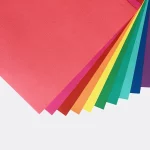
Matte, gloss, soft-touch, foil, emboss, and deboss each change the surface in a different way. The finish should support the bottle label and scent hierarchy, then be checked on the assembled box under the light in which it will be handled.
| Finish direction | What changes physically | What to check in proof |
|---|---|---|
| Matte | Diffuses reflections across the printed surface | Small type, dark areas, and contrast |
| Gloss | Reflects more light from the printed surface | Reflections across the logo and label panel |
| Soft-touch | Adds a softer tactile coating to the surface | Scuff visibility and artwork beside the bottle |
| Foil or metallic accent | Adds a reflective detail to selected artwork | Registration, scale, and contrast |
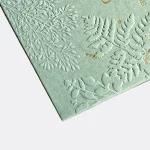
| Emboss or deboss | Raises or recesses a mark in the board or wrap | Placement near scores, folds, and edges |
What material changes the outer presentation?
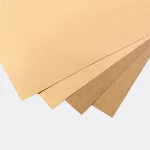
Rigid construction keeps the outer box upright and gives the opening a defined lid or base. Folding paperboard uses scores and glue tabs, ships flat, and changes shape when assembled. Kraft paperboard gives the printed surface a paper-based direction, while a wrapped rigid box separates the printed wrap from the structural board. Choose the material after the bottle, storage, opening path, and artwork contrast are clear.
Matte and gloss lamination cover the printed surface. Foil and spot UV are selected effects, not replacements for a clean hierarchy. Keep the scent name, logo, and variant detail readable without relying on a reflective finish to carry the entire package.
How can several fragrance variants stay aligned?
Use one master layout for fixed elements and one change list for scent-specific details. Fixed elements can include logo position, type hierarchy, panel order, and finish. Variant details include scent name, color, bottle, closure, insert, and artwork file. Keep each bottle record separate even when the outer box looks related.
- Scent name and bottle format
- Closure, cap shape, and label-facing direction
- Fixed logo, type hierarchy, and panel order
- Variant artwork, color, and finish direction
- Insert, accessory, and opening notes
RGB artwork can shift when it is converted for press, and type set too close to a fold can lose clarity after assembly. Add bleed beyond the trim line, keep fine marks away from scores, and check every scent variant in the digital proof.
Which CPL product pages can frame a fragrance comparison?
Private label packaging can frame a coordinated label and variant system. Wine box packaging is a reference for finish-led presentation around a bottle. Shoe box packaging gives a comparison point for a larger structured package. Wax packaging offers another compact product reference for printed surfaces and inserts. These pages are catalog comparisons, not substitutes for checking the actual fragrance bottle.
What should the fragrance proof show?
The proof should show the assembled outer box with the bottle or representative fill in place. Check the scent name, logo position, finish effect, label-facing direction, cap clearance, insert position, closure, opening path, and variant artwork. A digital proof arrives before anything prints. If the bottle changes, update the physical package record before approving the files.
Custom Packaging Lane uses a 100-unit MOQ. Pricing is from $0.49 per unit at volume, quoted to spec. Production is typically 8 to 10 business days after proof approval, plus delivery. Free US shipping and free design support are available. Start with custom packaging design, and order the $19.99 sample kit to compare board and finish directions before proof approval.
Frequently Asked Questions
What should a fragrance box be measured around?
A fragrance box should be measured around the actual bottle in its packed position, with the closure installed. Provide the widest profile, total height, base, cap shape, label-facing direction, insert, and any accessory. Custom Packaging Lane can use those details for the dieline and digital proof instead of guessing a standard bottle size.
Which finish suits perfume packaging?
The suitable perfume packaging finish depends on the bottle, label, lighting, and artwork. Matte diffuses reflections, gloss reflects more light, soft-touch changes the tactile surface, foil adds a reflective accent, and emboss or deboss changes the board surface. Compare the complete assembled box, not an isolated logo.
Can several fragrance scents share one packaging system?
Several fragrance scents can share logo placement, type hierarchy, panel order, and finish direction while keeping separate bottle, closure, insert, and variant artwork records. A shared system keeps the line visually related without forcing different physical formats into one cavity. Check each assembled variant before final file approval.
What is a rigid fragrance box?
A rigid fragrance box is built from chipboard wrapped in printed paper, so it holds its shape without a fold. It creates a defined outer structure for the bottle, lid, and insert. The final fit still depends on the actual bottle, closure, artwork, and packout shown in the proof.
What is the MOQ and production timing for fragrance packaging?
Custom Packaging Lane's minimum order quantity for fragrance packaging is 100 units. Pricing is from $0.49 per unit at volume, quoted to spec. Production is typically 8 to 10 business days after proof approval, plus delivery. Free US shipping and free design support are available, and the sample kit is $19.99.