





























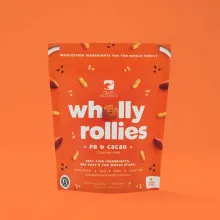






































Freeze dryer bags are flexible pouches for dried contents, barrier layers, filling, sealing, storage, and handling after opening. The name does not specify one film construction or size. Start with the filled product, opening, storage position, artwork area, and whether the bag lies flat or stands on a gusset.
Which laminate layers fit a freeze dryer bag?
A laminate is a flexible package made from bonded film layers, each with a job. PET is the outer print and support layer. AL means aluminum foil, and a metallized layer uses a thin metal coating for light and moisture barrier. PE is the heat-seal layer. Foil or metallized film can reduce odor transfer, but review the complete construction for the contents and storage use.
A bag sold as Mylar gets its barrier from the film construction, often a metallized layer, not the trade name. The outer layer carries print, the barrier layer blocks light and slows moisture movement, and the seal layer closes the pouch.
| Layer or feature | Common packaging role | Buyer checkpoint |
|---|---|---|
| PET outer layer | Printed surface and film support | Artwork, scuff direction, and laminate compatibility |
| AL or metallized layer | Barrier direction within the laminate | Opacity, fold areas, and storage conditions |
| PE seal layer | Heat-seal side of the flexible structure | Seal area, fill line, and closure method |
| Zipper or tear feature | Opening and repeat-access decision | User motion, seal placement, and headspace |
Should I use a zipper, a heat seal, or both?
A heat seal closes the filled top, while a zipper adds a repeat-opening path below or beside that seal. Use both when the filling step needs a sealed headspace and the user needs later access. A tear notch can make first opening clearer, but it uses space near the top and changes the artwork-safe area.
Map the fill line, zipper, notch, seal, logo, and headspace on the dieline before sizing the front panel. The top seal and zipper area cannot carry the same graphics as the center of the bag. Load a sample and check that product does not enter the closure.
How should I state freeze dryer bag dimensions?
Finished flat width x height, with bottom gusset added for a stand-up format, is the practical starting notation. Include filled product arrangement, fill line, seal width, zipper location, tear notch, hang hole, and artwork-safe area. Empty film hides the way the filled product pushes into the seal and side seams.
Stand-up pouches are commonly discussed in a 3 to 7.5 in width range. That is an early industry reference, not a universal freeze dryer bag size. Check filled height, base opening, closure, product distribution, and storage position with a physical sample or dependable product reference.
Which print and finish options work on flexible bags?
Digital printing can suit short runs or artwork testing. Matte and gloss surfaces change reflection and color appearance, while soft-touch changes tactile feel. Flexible film does not accept every paperboard finish in the same way. Foil stamping and embossing are more commonly planned for paperboard outer packaging. Spot effects need review around seals and film compatibility.
Place type, barcode, and instructions away from zipper tracks, tear notches, and heat seals. Artwork can look centered on the flat file and sit high on the filled bag after the gusset opens. Check the filled sample before final approval.
Is a clear window the right choice for this bag?
A PET window around 0.2 to 0.3 mm is a common reference for a patched display carton. A clear carton window and a flexible barrier bag solve different problems, so that carton reference does not specify a freeze dryer bag. If product visibility is needed, compare the laminate and barrier plan with an outer display package before adding a window.
How should I compare freeze dryer bags with other formats?
Mylar bags for freeze drying are the closest catalog reference for a barrier-focused flexible package. Take-out bags address a different handoff and opening use case. Shopping bags are an outer carrier, not a substitute for the laminate bag. Keep the barrier pouch, display carton, and carry package as separate decisions.
What should I ask about contents touching the bag?
If the contents touch the film, ask us about food-contact options for your product. Share the full film structure, seal layer, closure, intended fill, storage use, and any liner. The word Mylar does not describe the complete bag. Review the actual laminate, seal, print, and closure together.
What belongs in a freeze dryer bag quote?
A quote brief needs the filled product and the closure plan. Include:
- Filled product dimensions, arrangement, target bag position, and storage route.
- PET, AL, PE, foil, or metallized laminate direction for review.
- Flat or stand-up construction, width, height, gusset, zipper, notch, and seal.
- Print coverage, matte or gloss surface, soft-touch, and any compatible decorative effect.
- Quantity target, delivery location, artwork status, and any outer carrier.
CPL quotes freeze dryer bags to spec from a 100-unit minimum, with pricing from $0.49 per unit at volume, quoted to spec. Production is typically 8 to 10 business days after proof approval, plus delivery. Free US shipping and free design support are available, and we draw a free dieline and send a digital proof before anything prints. The $19.99 sample kit is credited to the first order. For the broader package plan, use custom packaging solutions and send the filled dimensions with the closure choice.
Frequently Asked Questions
What film layers are used in freeze dryer bags?
Freeze dryer bags are commonly discussed as laminates with PET, AL, and PE layers. PET carries print and support, AL means aluminum foil and adds barrier and opacity, and PE is commonly the heat-seal side. A metallized layer can provide light and moisture barrier too. Review the complete film construction, not a trade name alone.
Is a zipper better than a heat seal?
A heat seal closes the filled top, while a zipper gives the user a repeat-opening path. Use a tear notch when first opening needs a clear starting point. The choice depends on filling, headspace, storage, and access after opening. Map the seal, zipper, notch, and artwork before making the bag.
What belongs next to the pouch dimensions?
State finished width x height and add the bottom gusset for a stand-up pouch. Also record filled product arrangement, fill line, seal width, zipper, tear notch, hang hole, and artwork-safe area. Stand-up pouch widths are commonly discussed from 3 to 7.5 inches, but the filled sample decides fit.
Does a clear window replace a barrier laminate?
A clear PET window around 0.2 to 0.3 mm is a common patched-carton reference, not a substitute for a flexible barrier laminate. A window improves visibility while a foil or metallized layer handles light and moisture resistance. Compare the filled bag, viewing need, and storage plan before choosing either package.
What should I ask about contents touching the film?
If contents touch a freeze dryer bag, ask us about food-contact options for your product. State the complete laminate, seal layer, zipper or tear feature, filling method, storage use, and any liner. The term Mylar does not identify the full construction, so review the actual film and closure together.