




























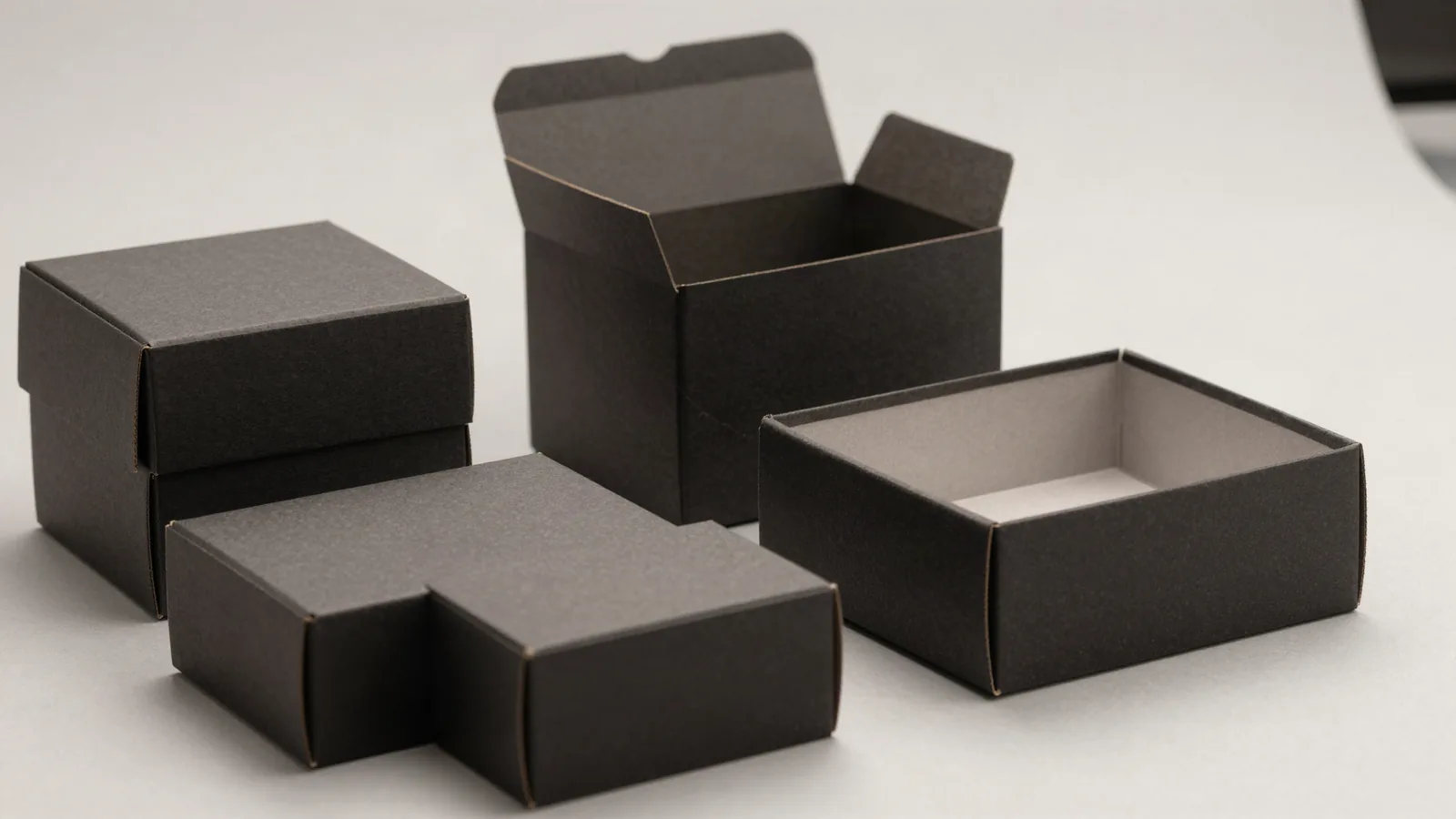




















































Gum packaging starts with the filled format. Sticks, tabs, pellets, and multipacks need different cavities, openings, and pack counts. State the gum shape, count per pack, wrapper, orientation, and whether the package should show the contents before choosing a carton, sleeve, pouch, window, or perforated feature.
What gum format are you packing?
The filled shape and count determine the cavity before artwork enters the file.
| Gum format | Common packaging direction | Check before approval |
|---|---|---|
| Sticks | Compact folding carton or sleeve | Alignment, count, piece removal |
| Tabs | Carton, pouch, or inner tray | Stack movement, reclosure path |
| Pellets | Pouch, windowed carton, or divided pack | Containment, opening, visible fill area |
| Multipack | Sleeve, carton, or outer presentation box | Grouping, panel hierarchy, carrying |
The gum form decides whether the package needs a narrow cavity, broader pouch, inner tray, or divider. If an inner wrapper or secondary container remains with the product, include it in the cavity measurement. Ask about food-contact options before finalizing layers when the package directly touches gum.
Which structure should hold a compact gum pack?
Straight tuck end and reverse tuck end cartons give compact packs defined panels and a folding opening. An auto-lock bottom changes base assembly. A sleeve adds a printed outer layer around an inner pack, while a pillow structure changes the silhouette. A pouch brings a flexible wall, seal, and reclosure path.
Choose around the packing motion and removal motion. Sticks need alignment and clean piece access. Pellets need containment at the opening. Multipacks need grouping that stays together in the hand and on the shelf. The chosen structure should be checked with the filled product.
Which materials are common for gum packaging?
Typical folding-carton references include SBS, C1S, or C2S paperboard at 12 to 24 pt and kraft board at 18 to 24 pt. A flexible laminate is a layered film structure, and common references include PET, AL, and PE. A PET window, meaning a clear plastic panel, is commonly 0.2 to 0.3 mm.
Paperboard gives defined panels and crease lines. Kraft keeps a visible paper direction. PET, AL, and PE layers change the flexible package's barrier and sealing approach. These are general industry references, not CPL order data. Ask about food-contact options when a layer touches gum.
Should gum packaging show the contents?
A window is useful when the buyer needs to see the gum format or arranged multipack before opening. The 0.2 to 0.3 mm PET panel changes the cut line, patch area, glue planning, and available artwork space.
A dieline is the flat cutting template for the package. Mark the window, patch, folds, seams, glue zones, and safe areas on it. A solid carton can leave more usable branding space when the printed artwork already identifies the product. Check the filled pack, because the contents may sit lower or higher than the flat artwork suggests.
How should print and finish work on small panels?
Offset CMYK suits detailed paperboard artwork. Digital printing can suit a short run or several flavor or product versions. Flexo printing is commonly considered for corrugated surfaces. Matte or gloss lamination changes glare, and soft-touch changes the hand feel. Spot UV, foil stamping, embossing, and debossing need enough clear area to remain legible at the finished panel size.
Keep effects away from folds, openings, glue zones, and perforations. Check low-resolution art, RGB conversions, missing bleed, and type placed too close to a score on the digital proof. A small panel has less room to recover from a crowded file.
How should I set gum-pack dimensions?
Use inside measurements for the gum cavity and write the assembled package as length x width x depth. Include the wrapper, tray, divider, pouch seal, closure, or insert that remains with the product.
About 1/16 in, or 1.5 mm, is a common packaging tolerance, subject to the structure and material. The dieline should identify cut lines, folds, glue areas, perforations, windows, tear features, and opening direction. Confirm the dimensions with the filled package before artwork approval.
Which catalog pages can inform gum-packaging choices?
Wax packaging gives a compact flexible-format reference. Seed packaging gives another small-pack reference with front-facing artwork and controlled fill. Perforated packaging helps compare tear lines, dispensing, and access. When the format is ready, see custom packaging for small business for a broader ordering path.
What should I include in a gum packaging brief?
The brief should identify the filled gum format, count, structure, materials, artwork, opening, and food-contact question before the dieline is finalized.
- Identify the gum form, filled dimensions, count per pack, wrapper, and orientation.
- Describe the carton, sleeve, pouch, pillow, window, perforation, seal, or reclosure need.
- State the board or laminate, print coverage, artwork status, and finish direction.
- Mark folds, seams, glue areas, windows, tear lines, safe zones, and opening instructions.
- Include the delivery destination and ask about food-contact options when the package touches gum.
Send the filled format and opening requirement to Custom Packaging Lane for a quote to spec from a 100-unit minimum. Pricing is from $0.49 per unit at volume, quoted to spec. Production is typically 8 to 10 business days after proof approval, plus delivery. Free US shipping, free design support, and a free dieline are available, and the $19.99 sample kit is credited toward the first order.
Frequently Asked Questions
Which gum formats can custom packaging support?
Gum packaging can be planned for sticks, tabs, pellets, and multipacks in cartons, sleeves, pouches, windowed packs, or perforated formats. The filled dimensions, count per pack, wrapper, orientation, and opening decide the cavity and structure. Confirm those details before setting artwork or choosing a reclosure feature.
Should gum use a carton or pouch?
A carton gives a gum pack defined panels, crease lines, and a folding retail opening. A pouch gives a flexible wall, seal, and different reclosure path. Compare the gum form, count, visibility, carrying method, artwork area, and opening with the filled product before choosing.
Which materials are common for gum packs?
Common gum-pack references include 12 to 24 pt SBS, C1S, or C2S paperboard and 18 to 24 pt kraft board. Flexible packs can use PET, AL, and PE laminate layers. A clear PET window is commonly 0.2 to 0.3 mm. Match the layer structure to the package format and ask about food-contact options when gum touches the package.
How can a window affect gum packaging?
A gum-pack window changes the cut line, patch area, glue planning, artwork space, and visible fill area. A common PET reference is 0.2 to 0.3 mm. Keep the window clear of folds, seams, openings, and critical copy, then check the filled pack to confirm that the intended gum format stays visible.
When should food-contact questions be raised?
Food-contact questions should be raised before finalizing the board, laminate, window, finish, or inner wrapper when the package directly touches gum. Provide the gum format and every contacting layer, then ask about food-contact options for the intended structure. Keep the brief clear about count, fit, opening, and handling.












