








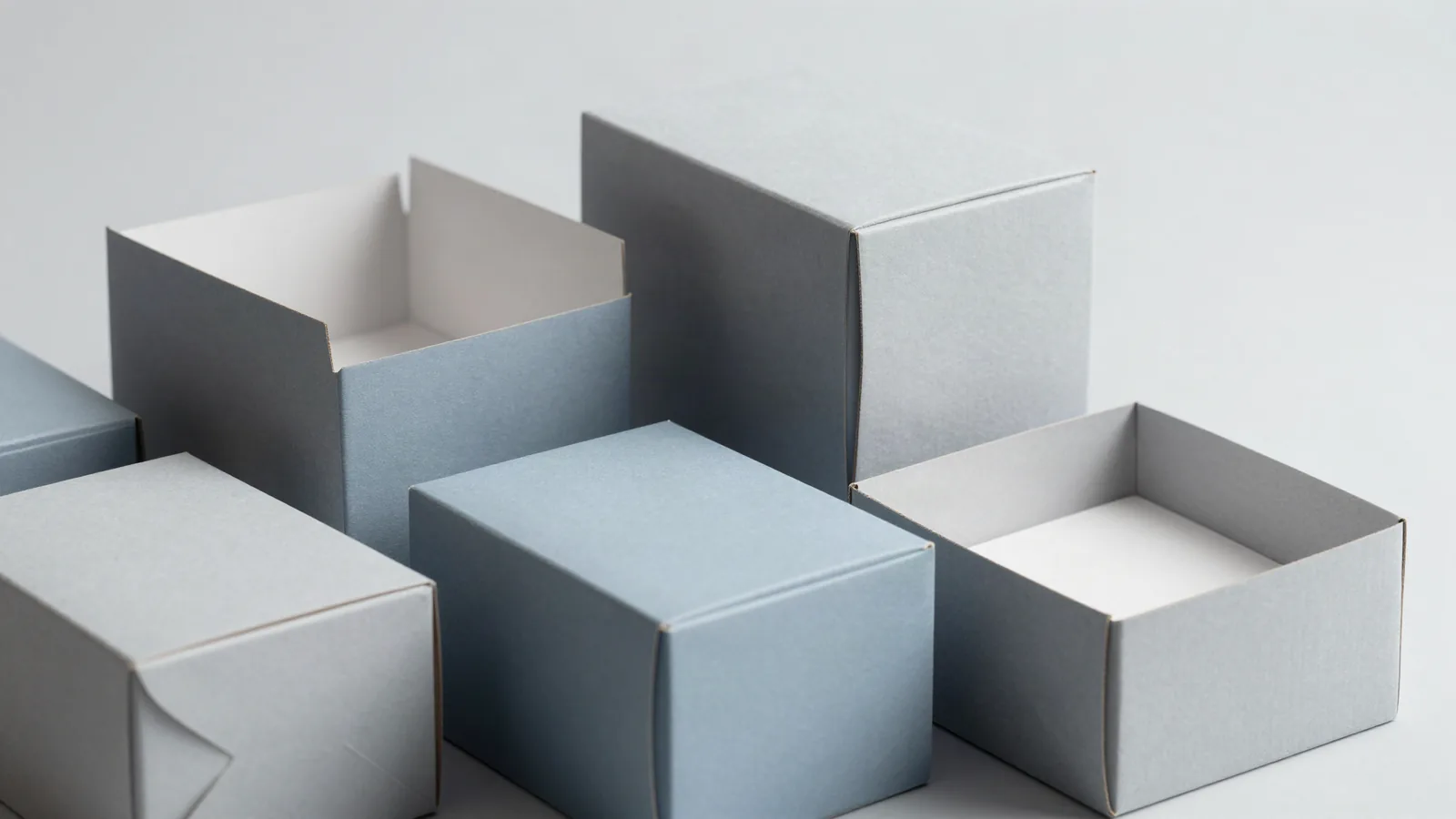



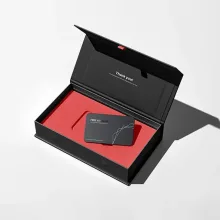
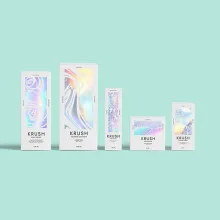








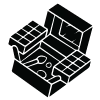
























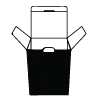

Diagnostic kit packaging is the box or mailer plus the internal arrangement that holds a test kit for packing and shipment. A clean packaging record names the kit parts, the outer package, the seal location, the artwork file, and the person who approves the proof. That keeps a medical test kit packaging request tied to the physical packout instead of a generic box description.
What should a testing kit packaging record contain?
A testing kit packaging record should connect the kit contents, outer package, seal option, artwork version, and proof approver in one place. The record needs enough detail for the person packing the kit to understand what belongs inside and enough detail for the printer to identify the approved file.
| Production record | Fields to capture | Handoff purpose |
|---|---|---|
| Kit contents | Part name, quantity, packed size, and orientation | Shows what belongs in the packout |
| Outer package | Box or mailer, closure, label area, and artwork version | Connects the outside to the approved kit |
| Seal option | Tamper-evident location, panel, artwork, and opening sequence | Records the access indicator as a package feature |
| Proof approval | Version, approver, approval date, and open changes | Shows which file can move to production |
How should kit components fit inside the package?
The insert or divider should follow the actual packed dimensions and loading order. Packout is the final arrangement of kit parts inside the box or mailer. A test strip, collection item, instruction sheet, small bottle, or accessory can each change how the packer loads the kit.
A cavity cut too loose lets a part move; a cavity cut too tight slows load-in or can damage the part. Keep the instructions visible, separate items that need their own position, and record the orientation in the component list. If the contents change, update the packout record and outer artwork together.
Lab test kit packaging often uses one outer format for several kit versions. A shared carton does not make the component list interchangeable. The box or mailer file, component record, and proof need the same kit version.
Should the kit use a box or a mailer?
A box gives the kit a defined front and side panel, while a mailer puts more attention on the closure, address surface, and parcel handling. The manufacturer should name the primary shipping package, identify the label or barcode surface, and show which components must stay fixed during transit.
CPL catalog pages give concrete reference points: sperm count testing kit boxes, HIV test kit packaging, testosterone test kit boxes, and STD kit boxes. Those pages frame the packaging family; the actual kit record controls the final box or mailer.
Where should a tamper-evident seal sit?
A tamper-evident seal is a package seal that shows a visible change after the package is opened. Put it on the closure panel the user opens first, then check whether it changes the opening motion, printed artwork, or access to a second compartment.
Record the seal location, artwork treatment, opening sequence, and approval status. Keep the wording factual. A tamper-evident package feature describes access to the package; it does not describe a medical result or product status.
What should a manufacturer check on the digital proof?
The manufacturer should check the digital proof against the component record before approval. A digital proof is the file used to review the dieline, printed panels, closure, seal position, and artwork before anything prints.
Check that low-resolution art is replaced, RGB art has been reviewed after conversion for print, type is clear of scores, bleed runs past the cut line, and the barcode has an open area around it. Compare the package file with the loading order. A clean front panel cannot fix a component that has nowhere to sit.
What are the commercial terms for a testing kit package?
The MOQ is 100 units, and pricing is from $0.49 per unit at volume, quoted to spec. Production is typically 8 to 10 business days after proof approval, plus delivery.
Free US shipping and free design support are available. The wholesale custom packaging hub is useful when a manufacturer is planning a repeatable packaging program. A $19.99 sample kit is credited toward the first order and can help compare material and finish directions before proof approval. Send the component list, outer package direction, artwork, destination, and proof approver.
Frequently Asked Questions
What does diagnostic kit packaging include?
Diagnostic kit packaging includes the outer box or mailer and the internal arrangement for the test kit. The packaging record can list the device, collection materials, instructions, accessories, closure, barcode area, artwork version, insert or divider, and tamper-evident seal location. The approved proof should match that record before production.
How should a test kit box record its contents?
A test kit box record should name each part, quantity, packed size, orientation, loading order, and the package version that holds it. Link the component list to the outer box or mailer file, artwork version, seal location, and proof approver. That connection makes a changed component visible before the package moves to production.
Can a test kit use a tamper-evident seal?
A test kit can use a tamper-evident seal as a package feature when the box or mailer is designed for it. Record the seal location, closure panel, artwork treatment, opening sequence, and approval status. The seal shows a visible package change after opening; it does not describe a medical result or certification.
Which CPL catalog pages fit testing kit packaging?
CPL catalog references for testing kit packaging include sperm count testing kit boxes, HIV test kit packaging, testosterone test kit boxes, and STD kit boxes. Those pages identify packaging directions. A quote still needs the actual contents, packed sizes, outer package, artwork, seal location, quantity, destination, and proof approver.
What is the minimum order and production time for a test kit package?
The minimum order for a test kit package is 100 units. Pricing is from $0.49 per unit at volume, quoted to spec. Production is typically 8 to 10 business days after proof approval, plus delivery. Free US shipping, free design support, and a $19.99 sample kit credited toward the first order are available.