








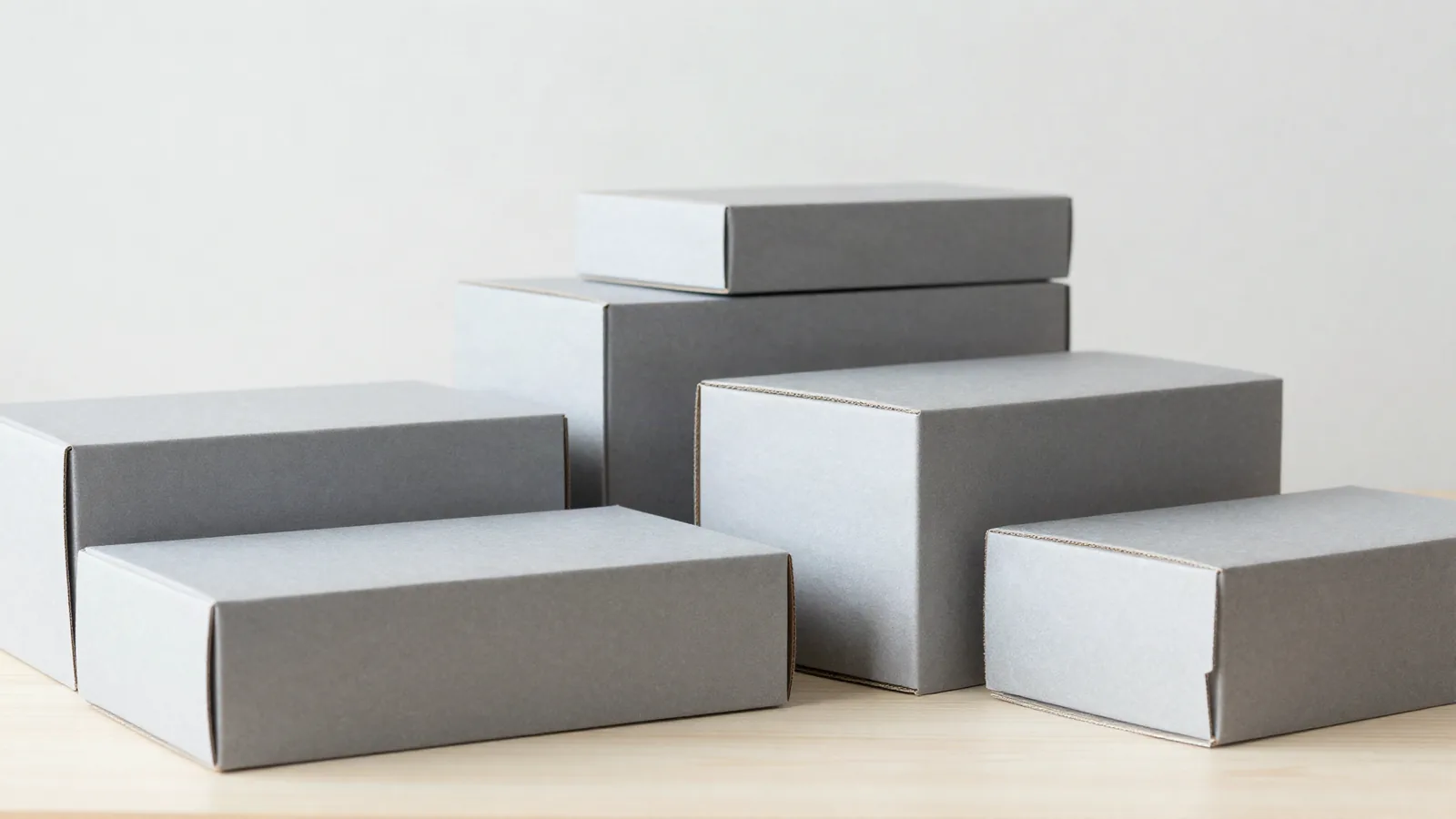



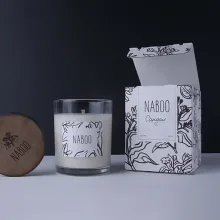
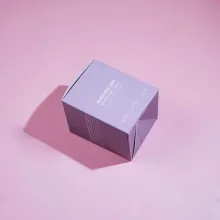
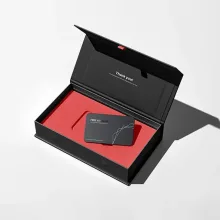
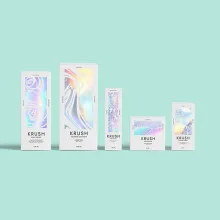
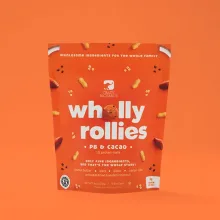
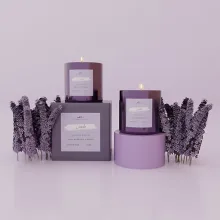
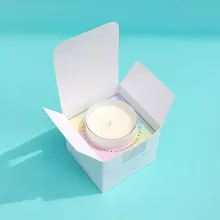
































Diagnostic test kit packaging is the set of printed pieces that holds, identifies, and presents a kit. It may be a box, a mailer, labels, an insert, or a combination. Custom Packaging Lane can custom print and size boxes, mailers, and labels for the requested kit, quoted to spec. Start with the product dimensions and the full package list before artwork moves into proofing. That first handoff keeps an opening feature or label from disappearing from the quote.
What does diagnostic test kit packaging need to include?
Diagnostic test kit packaging should begin with a component list that matches the actual kit. A printed box can carry the front and side panels. A mailer can cover the shipment handoff. A label can identify a component or add a separate printed surface. An insert can hold the product in a fixed position. Some kits need one of these pieces, while others need several, so the quote should name each piece separately.
| Package piece | Job in the kit | What to check |
|---|---|---|
| Printed box | Carry the main package presentation | Panel order, opening, product fit, and artwork |
| Mailer | Cover the shipment handoff | Outer dimensions, printed surfaces, and closure |
| Label | Add a separate identification surface | Wording, placement, size, and artwork |
| Insert | Hold the kit components in position | Clearance, removal, and movement inside the box |
The list also keeps the box from carrying requirements that belong to a label or insert. A package that looks correct on the outside can still be difficult to open if the interior pieces were never included in the brief.
How should the box, mailer, and labels be planned?
The box, mailer, and labels should share one artwork brief, then receive separate checks. State the product name, kit identifier, logo, required copy, panel priority, label placement, and the surface the recipient sees first. Keep one naming convention across the files. If a label is a separate piece, it needs its own dimensions and artwork even when it repeats the box wording.
A dieline is the flat cutting template that shows panels, scores, cuts, glue tabs, and folds before production. CPL's free design support can draw the dieline from the product dimensions and requested package pieces, then send a digital proof before anything prints.
What should a diagnostic kit dieline account for?
The dieline should start with the packed product, not a stock rectangle. Account for the opening path, glue tabs, scores, flap depth, insert position, and the panel that carries the clearest product information. Keep type away from a score. If an insert fits too closely, the product can be hard to remove; if it is loose, the product can rattle inside the box. The structure needs to match the actual handoff.
What should the proof catch before printing?
The digital proof is where the buyer checks the package before anything prints. Low-resolution art can look soft. RGB art can shift when it is converted for press. Missing bleed can leave a white edge after the cut, while a logo or barcode placed too close to a score can break when folded. Check panel orientation, copy, label wording, and the opening sequence on the flat file and assembled view. The buyer supplies and approves the final content.
Which material and finish choices fit a kit package?
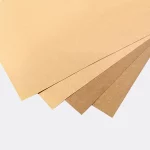
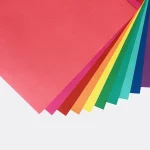
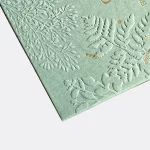
Material choice changes how the kit feels and how the printed surface behaves. Kraft board keeps a natural paper look. White board gives the artwork a lighter base. Matte lamination cuts glare and hides light scuffs better than gloss, while gloss creates a more reflective surface. Spot UV puts a hard shine on selected artwork, and foil adds a metallic accent. Keep finishes away from scores, glue tabs, and cut edges unless the proof shows the treatment there.
Which CPL product references can I compare?
Use HIV test kit packaging when the project needs a category-specific box reference. Pregnancy test kit boxes can help describe another printed kit direction. Health test kit boxes give a broader reference for a boxed kit. These catalog pages identify the package family under discussion. The final construction, dimensions, artwork, and finish still belong in the project quote.
What should a quote-ready diagnostic kit brief contain?
A quote-ready brief should include the product dimensions, packed orientation, requested box or mailer, label list, insert needs, artwork status, finish direction, quantity, and delivery destination. Name the person who will approve the proof. CPL uses a 100-unit MOQ. Pricing is from $0.49 per unit at volume, quoted to spec. Production is typically 8 to 10 business days after proof approval, plus delivery. Free US shipping and free design support are available. Use custom packaging design when the structure and artwork need to be organized together, and order the $19.99 sample kit, credited toward the first order, when physical materials need to be compared.
Frequently Asked Questions
Can Custom Packaging Lane print diagnostic test kit labels?
Custom Packaging Lane can discuss custom printed and sized labels alongside boxes and mailers for diagnostic test kit packaging, quoted to spec. Name each label, its dimensions, wording, artwork status, and placement in the quote. A label remains a separate approval item even when it repeats the outer box.
What should the first file for diagnostic kit packaging contain?
The first diagnostic kit packaging file should contain product dimensions, packed orientation, the requested box or mailer, label list, insert requirements, artwork status, quantity, and delivery destination. Explain the intended opening sequence as well. Those details give the dieline and digital proof a real package to describe.
Can I compare CPL health test kit products?
CPL catalog references include HIV test kit packaging, pregnancy test kit boxes, and health test kit boxes. Those pages help identify a box direction, but they do not select the final construction for every kit. Send the actual product dimensions, components, artwork, and finish request for a quote to spec.
Is the $19.99 sample kit the final diagnostic packaging proof?
The $19.99 sample kit is a physical reference, not the project-specific proof. It can help compare material feel and package direction, and its cost can be credited toward the first order. The digital proof remains the approval reference for the requested kit, artwork, dimensions, and construction.
What are the order terms for diagnostic test kit packaging?
Diagnostic test kit packaging uses a 100-unit MOQ. Pricing is from $0.49 per unit at volume, quoted to spec. Production is typically 8 to 10 business days after proof approval, plus delivery. Free US shipping and free design support are available when the project brief is ready.