








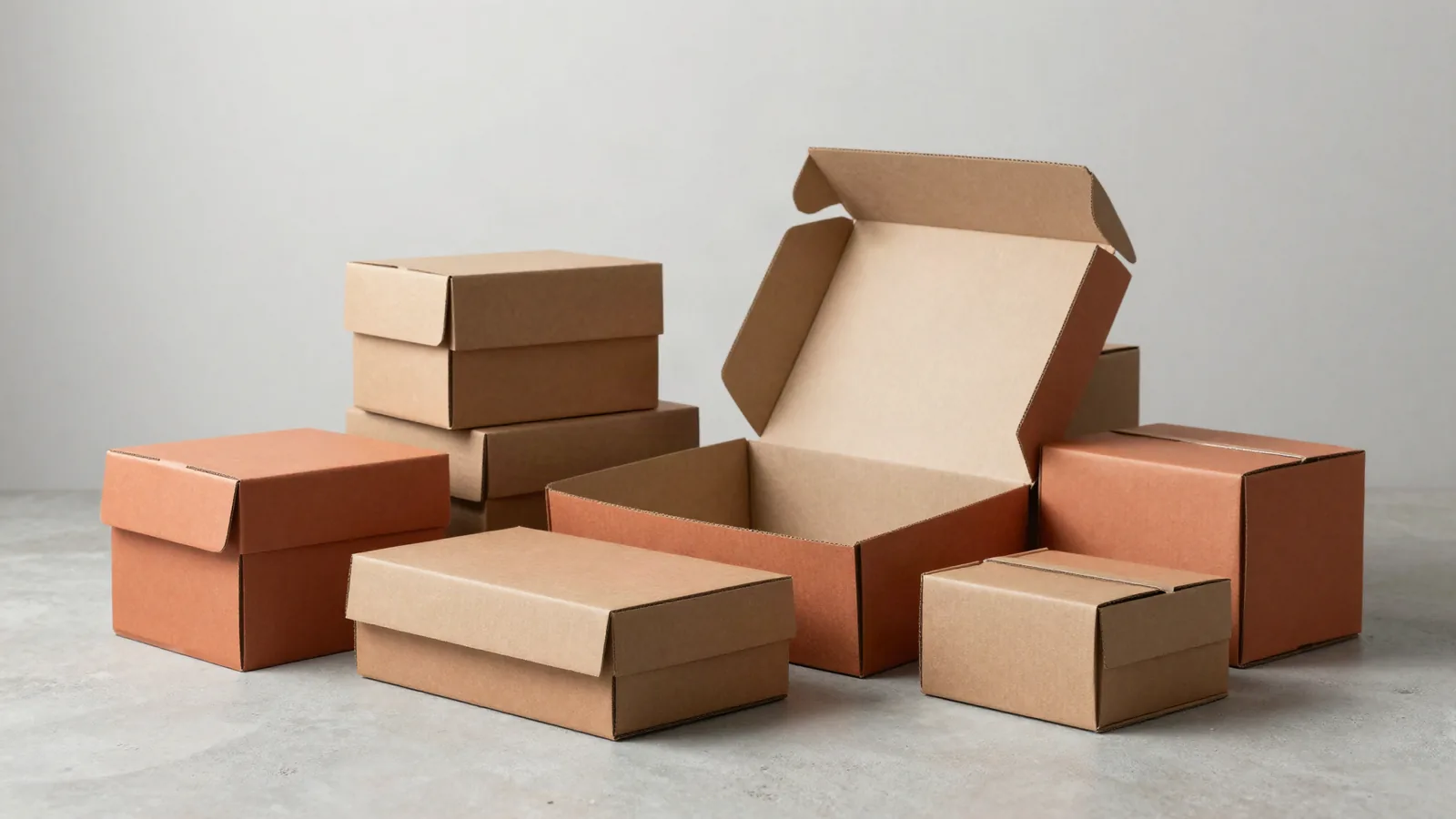



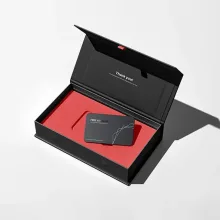

































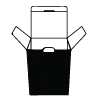

Home testing kit packaging is a custom outer box and internal layout for a device, collection materials, instructions, and related parts. A foam insert is a shaped layer with cavities for individual components. The box and insert should come from the actual kit dimensions, not from a generic at home test kit box.
What should an at-home test kit box hold?
An at-home test kit box should hold the actual device, collection pieces, instructions, accessories, and any part that needs a fixed position. Send the packed length, width, and height, then identify the component that must stay fixed first.
The phrases diagnostic test kit packaging, test kit box custom, medical test kit packaging, and at home test kit box all point to the same starting job: measure the kit before drawing the box. Vitamin test kit boxes provide a catalog reference for a wellness or diagnostic presentation. Testing product packaging gives another reference for component layout, and sperm count testing kit boxes show another testing-related format.
How does a foam insert hold the components?
A foam insert holds components in planned cavities cut around their footprint and support points. Each cavity needs enough clearance for loading and removal, but not so much space that the component moves inside the box.
A cavity that is too loose lets a part rattle. A cavity that is too tight slows packing and can damage the part. Paperboard trays and dividers can organize lighter components when foam is not needed. Choose the insert after reviewing component dimensions, opening order, and handling requirements.
Pack order matters as much as cavity shape. Put the component used first closest to the opening, keep instructions where they can be seen before the kit is emptied, and leave a clear grip for parts that need to be lifted out. Draw the loaded insert, not only the empty box.
| Packaging decision | Information to provide | Design purpose |
|---|---|---|
| Outer box | Packed dimensions and opening preference | Sets footprint and access sequence |
| Foam insert | Component measurements and support points | Creates planned cavities for kit pieces |
| Tamper-evident closure | Seal location and visible opening change | Connects the feature to the package opening |
| Printed panels | Artwork, instructions, and barcode area | Gives each message a defined place |
When is a tamper-evident feature useful?
A tamper-evident feature is useful when the package needs a visible change after opening. Plan it around the closure, the first panel the user opens, and the point where the user should reach the kit.
The seal location can change the artwork, opening motion, and access to a second compartment. Put those details on the proof. A tamper-evident feature describes package access only.
What should the custom test kit proof show?
The proof should show the outer box, insert cavities, closure, printed instructions, barcode area, and loading order together. A dieline is the flat cutting template that shows box panels, scores, folds, glue tabs, and cut lines. The digital proof is the file used to inspect that template and the artwork before anything prints.
Check that type is clear of scores, artwork runs past the cut line for bleed, low-resolution art has been replaced, and RGB art has been reviewed after conversion for print. Compare each cavity with the real component. An insert cut to the wrong size is hard to fix after the box is printed.
What do custom test kit boxes cost and how long do they take?
The MOQ is 100 units. Pricing is from $0.49 per unit at volume, quoted to spec. Production is typically 8 to 10 business days after proof approval, plus delivery.
Free US shipping and free design support are available. A $19.99 sample kit is credited toward the first order and can help compare material and finish directions before the larger run. Use custom packaging solutions after the kit measurements are ready.
For shipping planning, include the packed kit dimensions and ask how many finished boxes nest in a master carton. A carton count changes storage and handling even when the retail box stays the same. Do not guess the carton layout before the finished box and insert are set.
What should you send for a packaging quote?
Send photos, drawings, or physical samples of the kit parts, along with packed dimensions, component support points, preferred box opening, insert direction, tamper-evident direction, artwork, quantity, and shipping destination. Review the cavities, closure, printed information, and loading order before proof approval. Send the kit measurements first.
Frequently Asked Questions
What does diagnostic test kit packaging include?
Diagnostic test kit packaging includes a custom outer box and an internal layout for the device, collection materials, instructions, and accessories. The package may use foam cavities, a paperboard tray, dividers, printed panels, or a tamper-evident closure feature. The final structure should match the real kit dimensions and opening order.
Can you make a box for an at-home test kit?
A box for an at-home test kit can be planned around the device, collection pieces, instructions, accessories, packed dimensions, insert direction, and preferred opening. Send measurements or a physical sample, then review the cavities, closure, artwork, barcode area, quantity, and destination before approving the digital proof.
What is the minimum order for custom test kit boxes?
The minimum order for custom test kit boxes is 100 units. Pricing is from $0.49 per unit at volume, quoted to spec, so the box, printing, insert, closure, quantity, and destination affect the quote. Free US shipping and free design support are available, and the $19.99 sample kit is credited toward the first order.
Can a test kit box have a tamper-evident feature?
A test kit box can have a tamper-evident feature as part of its closure. The proof should show where the seal sits, what the user opens first, how the opening changes, and whether the seal affects artwork or access to another compartment. The feature describes package access only.
How long does home testing kit packaging take?
Home testing kit packaging production is typically 8 to 10 business days after proof approval, plus delivery. The production window is for the approved run, not a promised arrival date. The schedule also needs the box style, insert, artwork, quantity, destination, and delivery portion planned separately.