
































































How much do custom tuck boxes cost?
Custom tuck box pricing is from $0.49 per unit at volume, quoted to spec. The final tuck box cost per unit depends on the approved structure, finished dimensions, material, print coverage, finish, quantity, and delivery destination. A tuck box is a folding carton with tuck flaps that close into the body of the box. That closure still needs a specific dieline before the price is meaningful.
CPL's anonymized quote data for custom tuck box orders is best read inside the original specification. One tuck box quote is not an average for every product, and a category name does not make two cartons equivalent. Compare quotes with the same dimensions, structure, material, artwork, finish, quantity, and destination.
What changes the tuck box cost per unit?
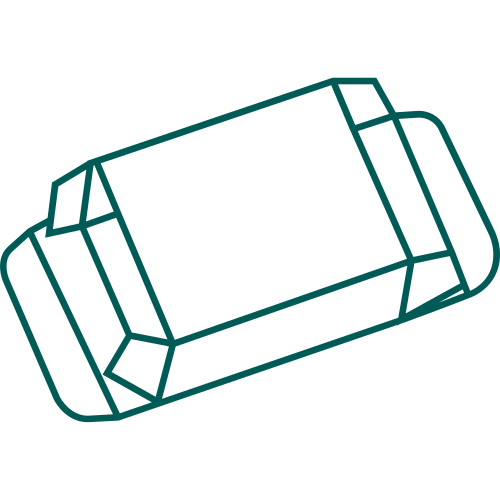
The tuck box cost per unit changes when the flat carton uses different panels, folds, material, print coverage, or finish. A dieline is the flat cutting template that maps the panels, scores, cut lines, glue tabs, and tuck flaps. It shows the structure that the quote is actually pricing.
| Quote input | What it controls | What to provide |
|---|---|---|
| Finished dimensions | Package footprint and material use | Product size and required pack-out |
| Structure and dieline | Panels, folds, closure, and glue tabs | Catalog reference or structural preference |
| Material | Board direction and carton surface | Preferred material or sample direction |
| Print coverage | Which panels carry the artwork | Panel map and artwork status |
| Finish | Surface treatment and tactile direction | Matte, gloss, foil, or spot UV request |
| Quantity | Volume context for the unit figure | Requested run and repeat quantity |
| Destination | Delivered order planning | US delivery location |
Keep type away from scores and folds, include bleed, and check glue tabs before proof approval. If a tuck flap is too close to the printed copy, the fold can interrupt the design. The digital proof is the point to catch that problem before anything prints.
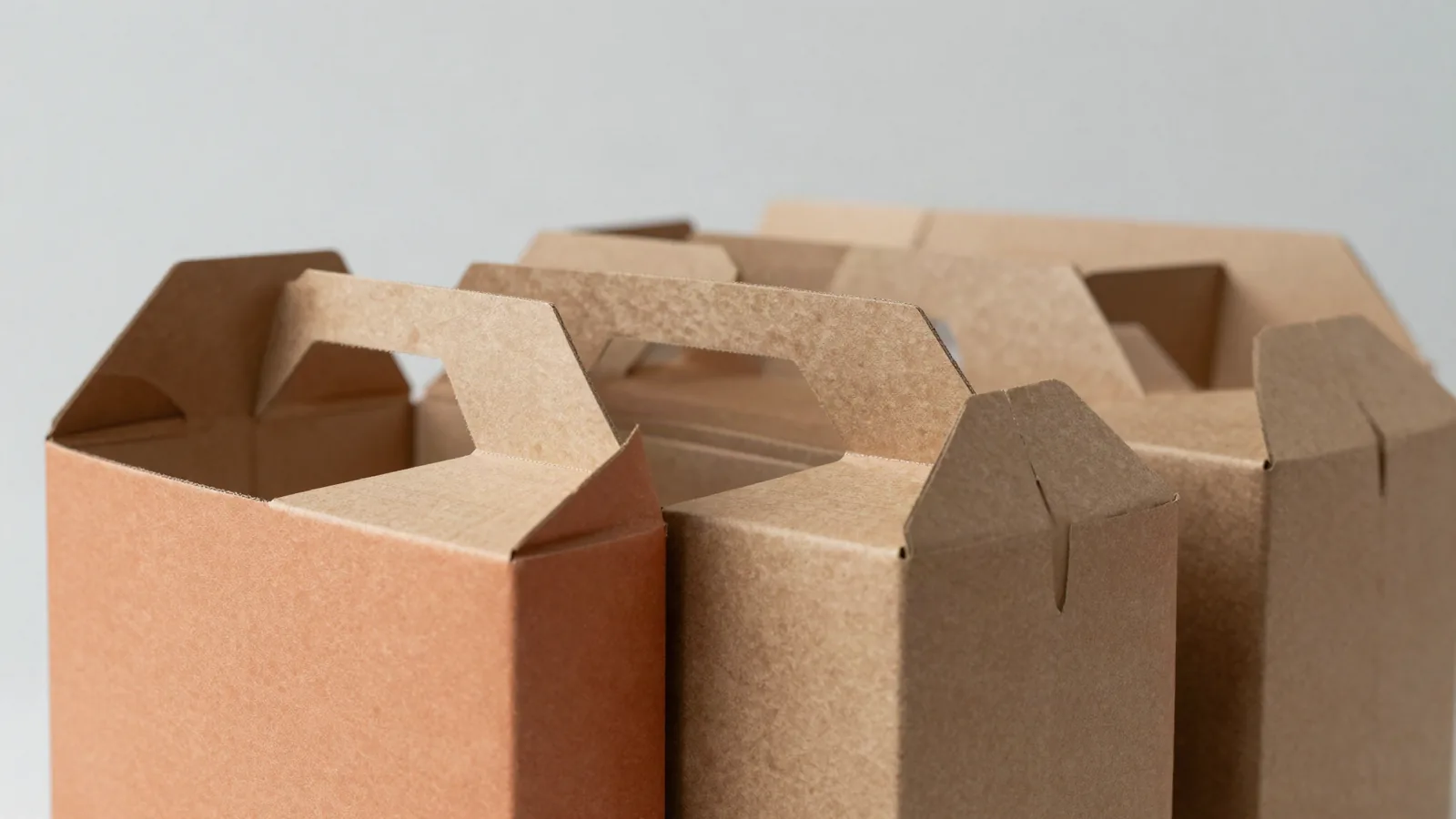
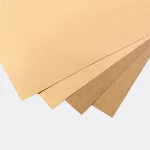
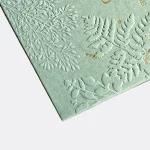
Material choice affects the printed result. Kraft board keeps a natural brown base, while white board gives colors a cleaner starting surface. Matte lamination reduces glare; gloss lamination reflects more light. If foil or spot UV is requested, mark the placement on the artwork so the proof shows which panels receive the effect.
Closure details matter after the carton is filled. A tuck flap that is too short may not stay closed, while a score placed through small type can make the front panel hard to read. State how the product is loaded and removed, then check the closure and glue tabs in the digital proof.
How should you compare two tuck box quote lines?
Ask both quotes to use the same product dimensions, structure reference, material, print coverage, finish, artwork status, quantity, and destination. Then ask which field changed when the unit figure changed. This is the cleanest way to separate a structural change from a quantity change.
- Keep the finished dimensions constant.
- Use the same material wording.
- Separate print coverage from finish.
- Request the assumptions beside the unit figure.
Which tuck box products can anchor a quote request?
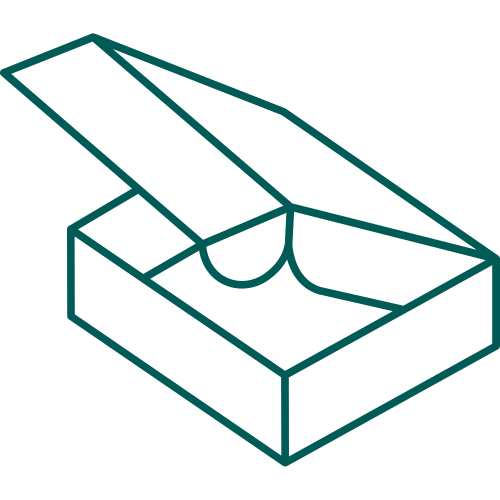
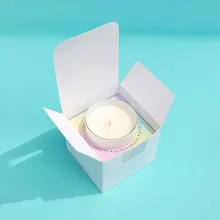
Roll-end tuck front boxes can name a tuck-front direction. Reverse-tuck candle boxes provide a product-specific reference. Custom tuck-top mailer boxes identify a mailer-oriented structure, while custom straight tuck boxes identify a straight-tuck direction.
Catalog pages are format references, not universal prices. State the product dimensions, pack-out, artwork, material, finish, quantity, and destination after choosing the closest reference. That gives the quote a real job to price.
Can a sample reduce tuck box pricing ambiguity?
The $19.99 sample kit can help you compare the physical relationship between structure, material, and finish before the quote is approved. Check how the tuck flaps close, how the panels read, and whether the package proportions suit the product. The sample kit does not replace the project-specific dieline, digital proof, or quote.
What should you include in a tuck box pricing request?
Include the product dimensions, intended pack-out, structure reference, artwork status, material, print coverage, finish, quantity, delivery destination, and any timing need. For help with the structure and artwork brief, use custom packaging design. The MOQ is 100 units. Production is typically 8 to 10 business days after proof approval, plus delivery. Free US shipping and free design support are available. Pricing is from $0.49 per unit at volume, quoted to spec.
Frequently Asked Questions
What does tuck box cost per unit mean?
Tuck box cost per unit is the price for one unit inside a defined quantity and specification. Custom Packaging Lane pricing is from $0.49 per unit at volume, quoted to spec, while the final figure depends on the approved dimensions, structure, material, print coverage, finish, quantity, and delivery details. It is not a universal carton rate.
What are Custom Packaging Lane's tuck box pricing terms?
Custom Packaging Lane has a 100-unit MOQ, with pricing from $0.49 per unit at volume, quoted to spec. Free US shipping and free design support are available. Production is typically 8 to 10 business days after proof approval, plus delivery, and the sample kit costs $19.99 for physical package comparison.
How can I compare two tuck box prices fairly?
To compare two tuck box prices fairly, keep the finished dimensions, structure, material, print coverage, finish, artwork status, quantity, and destination the same. Request the assumptions beside each unit figure. If the dieline or material changes, treat the result as a different package quote rather than a direct price comparison.
Can catalog pages help with tuck box pricing?
Catalog pages can help identify a tuck structure, including roll-end tuck front, reverse-tuck candle, tuck-top mailer, and custom straight tuck references. They do not set a universal price. Send the chosen reference with product dimensions, artwork, material, finish, quantity, and destination for a project-specific quote.
What should I include in a tuck box pricing request?
A tuck box pricing request should include product dimensions, intended pack-out, structure reference, artwork status, material, print coverage, finish, quantity, delivery destination, and timing need. The MOQ is 100 units. Ask for the quote and digital proof to use the same assumptions before production begins.