
























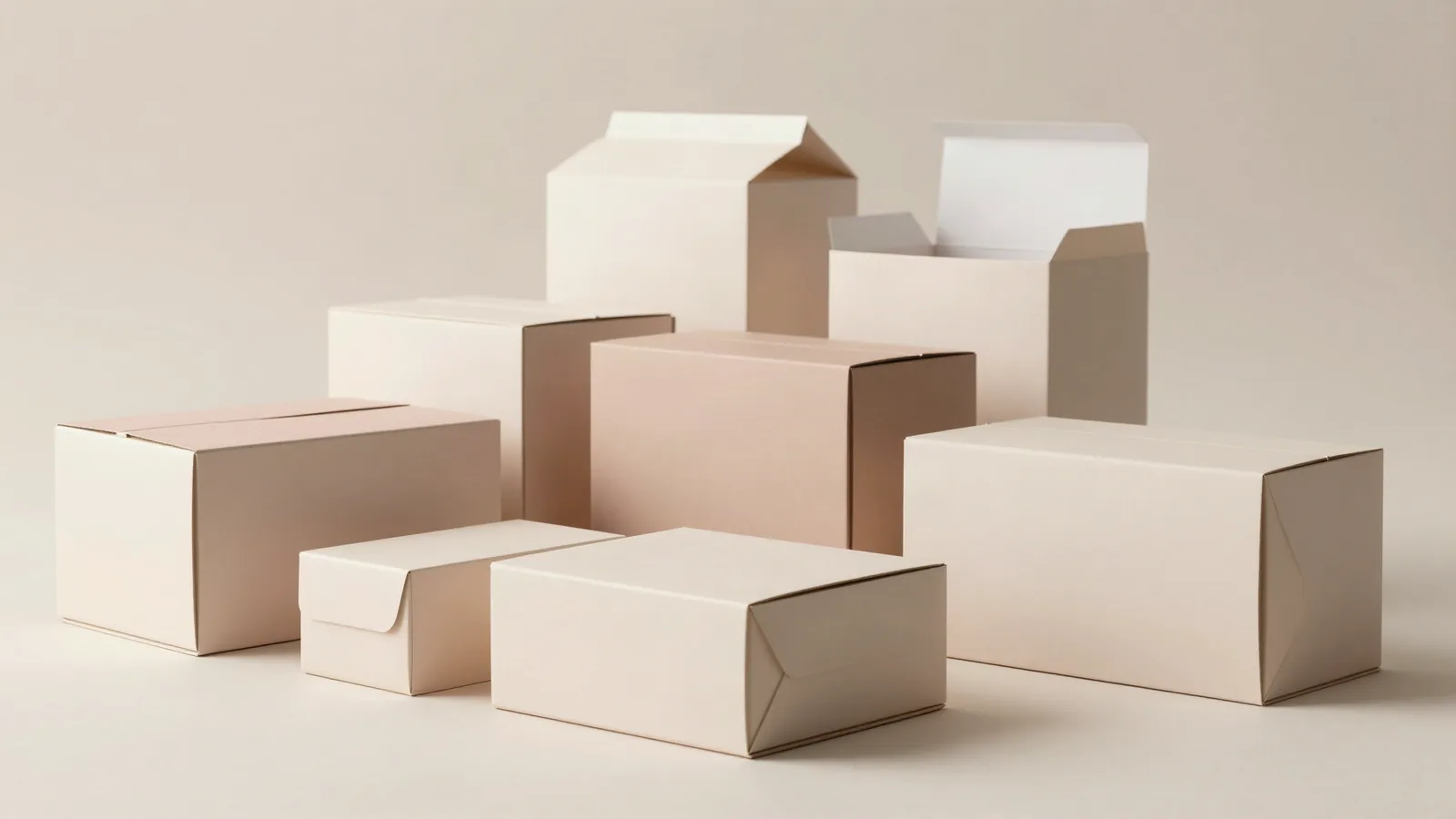



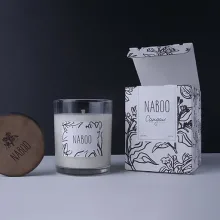

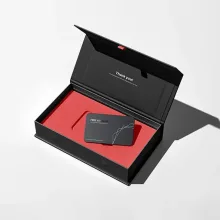
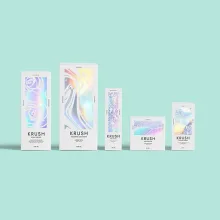





































Small-business lip balm packaging should fit the filled tube, keep the label face visible, and survive the way the product reaches the customer. The tube controls the cavity. The selling setting controls the opening and outer pack. Start with a measured sample, then specify the board, carton structure, print coverage, finish, and any mailer or insert around that physical reference.
What tube dimensions should the box accommodate?
A typical lip balm tube reference is about 0.6 to 0.75 inches, or 15 to 19 mm, in diameter, and about 2.6 to 2.9 inches tall. Measure your filled tube at its widest point before the dieline is drawn, because the cap, shoulder, label overlap, or applicator tip can change the profile. Treat the reference range as a starting point, not as the final inside size.
Write box dimensions as length x width x depth, using inside measurements. About 1/16 inch, or 1.5 mm, is a common planning tolerance. Clearance affects whether the tube slides in, stays upright, or rubs the printed surface. If the carton travels in a mailer, record the packed orientation and space for a paper insert or secondary wrap.
Which carton structure fits a small lip balm line?
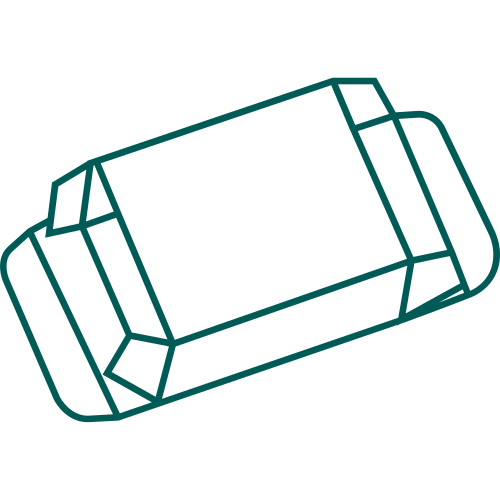
A straight tuck end closes with flaps that fold into the carton, while a reverse tuck end changes the flap direction. A sleeve slides over an inner tray or plain container. An auto-lock bottom forms a base at the packing table. The opening style should match the tube orientation and the way the package is filled.
| Structure | Common use | Question to settle |
|---|---|---|
| Straight tuck end | Single tube carton | Where should the opening face? |
| Reverse tuck end | Alternate flap direction | Which panel should carry the main message? |
| Sleeve | Outer band over an inner pack | Does the inner pack hold the tube? |
| Auto-lock bottom | Formed carton base | Will a pre-shaped base suit the packing routine? |
For direct catalog references, compare lip balm boxes with . If the line includes salves or solid balms, wax packaging gives another small-format carton reference.
How should a small brand choose board, print, and finish?
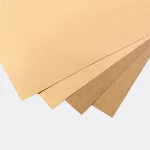
SBS, C1S, and C2S paperboard in the 12 to 24 pt range are common folding-carton stocks. C1S has one coated face for front-panel print. C2S has coated faces on both sides. Kraft board in the 18 to 24 pt range has a different surface. Offset CMYK suits detailed full-color artwork, while digital printing is often considered for short runs or frequent artwork changes.
- Matte or gloss lamination changes surface appearance and scuff behavior.
- Soft-touch changes the tactile feel of the carton.
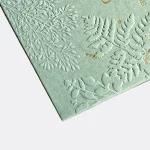
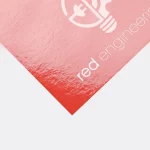
- Spot UV, foil stamping, embossing, and debossing work best as marked areas with enough clear space.
How can the design handoff stay simple?
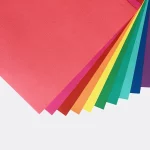
Send the measured tube, intended orientation, final copy, logo files, color references, and preferred opening style. Keep type away from score lines, glue flaps, and tight folds. RGB artwork can shift when converted for press, and low-resolution art stays soft at print size, so provide press-ready source files when available. If the concept uses a window, PET at about 0.2 to 0.3 mm is a common reference. The window shape still has to respect the board, tube clearance, and glue area. A digital proof should show the dieline, artwork, and finish zones before printing.
Use the custom packaging for small business hub to compare early-stage format choices. Keep one tube family per brief so the dieline, artwork, and packing method remain clear.
What should you confirm before placing the packaging order?
Share the tube dimensions, artwork status, structure, board, print coverage, finish, quantity, and delivery location for a quote from a 100-unit minimum. Pricing is from $0.49 per unit at volume, quoted to spec. Production is typically 8 to 10 business days after proof approval, plus delivery. Free US shipping and free design support are available, with a free dieline for the preparation stage. The $19.99 sample kit is credited to the first order.
Frequently Asked Questions
How do I measure a lip balm tube for a box?
A lip balm tube should be measured at its widest point, including the cap, shoulder, and any applicator tip that changes the profile. Record diameter, total height, label overlap, and standing orientation. A typical reference is 0.6 to 0.75 inches, or 15 to 19 mm, in diameter and 2.6 to 2.9 inches tall, but the physical sample sets the final inside clearance.
Is a sleeve or carton better for a small lip balm brand?
A straight tuck end gives a closed carton with printed panels, while a sleeve creates an outer band over a tray or inner pack. Choose the carton when full enclosure and front-panel information matter. Choose the sleeve when the inner container already holds the tube and the outer piece mainly handles presentation.
What board works for printed lip balm cartons?
Printed lip balm cartons commonly use SBS, C1S, or C2S paperboard in the 12 to 24 pt range. Kraft board in the 18 to 24 pt range has a different surface. Board choice should match print coverage, folding behavior, tube clearance, and the finish planned for the front panel.
Can foil and spot UV be used together?
Foil stamping and spot UV can be specified together when the artwork map gives each treatment clear space. Spot UV creates a localized surface contrast, while foil stamping adds a reflective mark. Keep tiny type and fine lines away from crowded finish zones, then show both areas on the proof before production artwork is finalized.
What should artwork include before the dieline is finalized?
Artwork for a lip balm carton should include the tube dimensions, logo files, final copy, color references, finish preferences, and opening style. State whether the carton sits on a shelf, ships in a mailer, or is handed to a customer. Those details let the dieline and inside measurements match the real packing routine.