



























































What is packaging board?
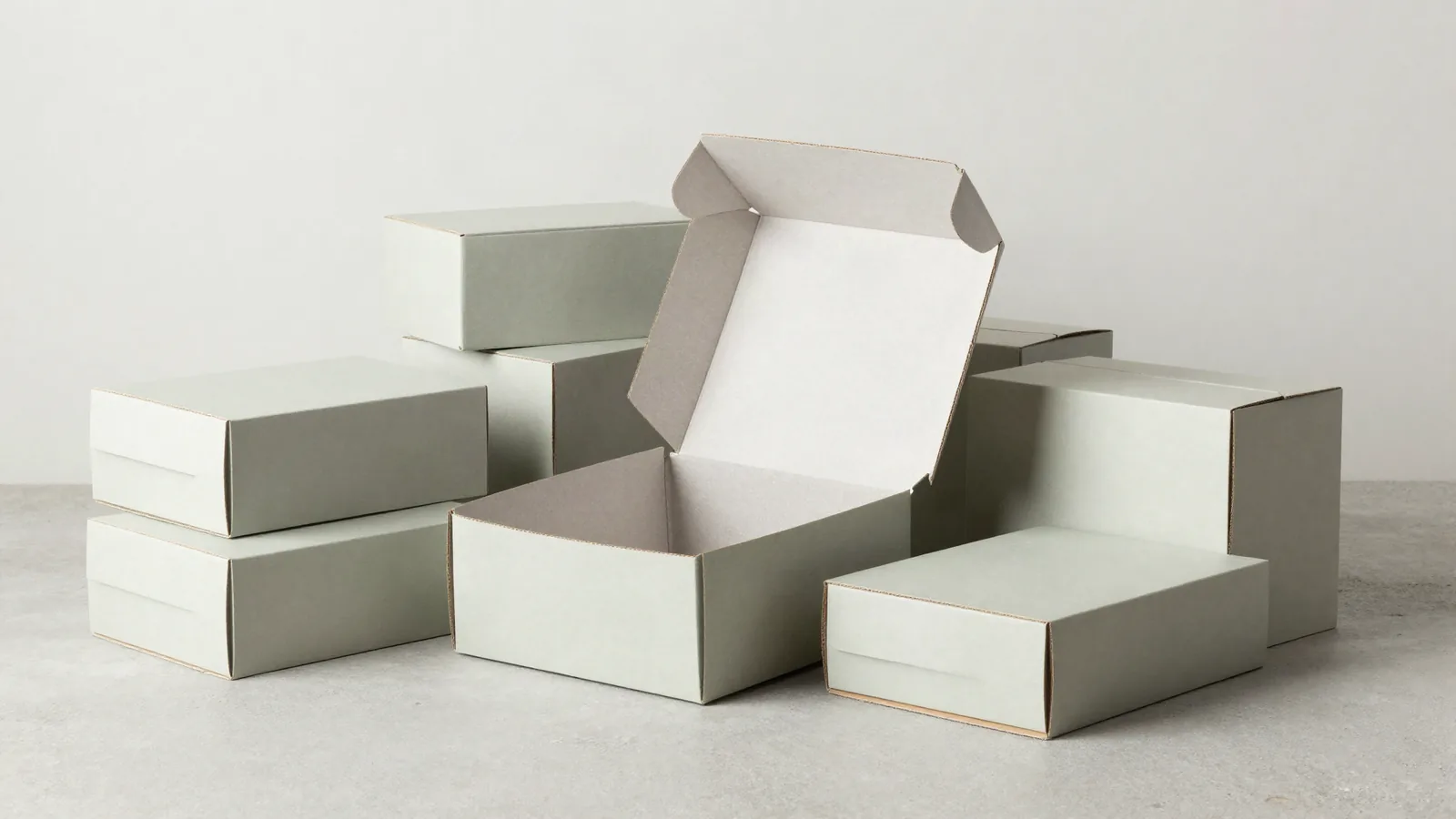
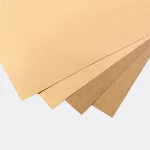
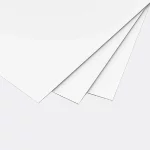
Packaging board is flat paper-based stock used to form, wrap, support, or print a package. Paperboard is a broad board category used for folding cartons, while chipboard is a denser paper-based board used for firm panels, backing, and wrapped structures. The board name is only the starting point. The finished box also depends on the dieline, folds, joints, print surface, finish, product fit, and handling route.
A folding carton uses board that can be scored and folded along a flat template. A rigid box uses board as a panel system that holds its shape after assembly. Those structures need different conversations about edges, closures, wraps, and product presentation.
What is the difference between paperboard and chipboard?
| Material direction | Physical job | Structure to compare |
|---|---|---|
| Paperboard | Flat printed stock that can be scored and folded. | Folding carton with panels, tabs, scores, and a closure. |
| Chipboard | Dense paper-based board used for firm panels and backing. | Rigid box made from covered panels, a lid, or a tray. |
| Printed paper wrap | Exterior paper that carries artwork over a rigid board core. | Wrapped chipboard structure with aligned edges and covered corners. |
| Board finish | Surface treatment that changes reflection, feel, or selected details. | Finish placement checked on the assembled package. |
Paperboard follows the folds in its dieline. Chipboard is commonly covered with printed paper in a rigid construction, so the box holds shape without a fold. The product, opening direction, and expected handling should decide which path is practical.
How do scores, folds, and joints change the board brief?
A dieline is the flat cutting template that marks cuts, scores, panels, glue tabs, and folds. It controls how packaging board becomes an assembled box and where artwork lands after folding. A folding structure needs clear panel relationships and closure positions.
A rigid structure needs accurate panel alignment, edge coverage, and lid or tray fit. Record the loading direction, product footprint, insert or divider, and desired opening before the board decision is finalized. A flexible item can need a different interior arrangement from a rigid item even when both use a printed exterior.
Which print and finish details belong in the board decision?
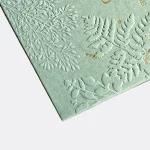
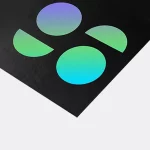
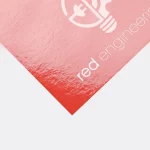
Artwork should be reviewed against folds, seams, covered edges, closures, and the surfaces customers see first. Matte lamination reduces reflection, while gloss lamination increases shine. Foil creates a reflective detail, embossing changes the surface height, and spot UV adds gloss to selected artwork.
Aqueous coating is water-based and generally works across printed carton surfaces. UV coating cures hard and glossy, but it can crack along score and fold lines and can be harder to write on. The finish should be recorded with the structure, not added after the panels and joints are settled.
Low-resolution art can look soft after print. RGB art can shift when converted for press. Type placed too close to a score can fold into the wrong visual area, and missing bleed can leave an unprinted edge after cutting. A digital proof should show the assembled relationship between artwork and board.
Which product formats help define a board requirement?
Start with the product and the way it must be presented. Wine box packaging can frame a structured product presentation. Perforated packaging raises questions about opening paths and controlled access. Private label packaging can define a repeatable branded system, while shoe box packaging shows why product footprint and opening direction belong in the board brief.
These catalog directions are starting points, not substitutes for the product dimensions and construction requirements. Ask for the board and finished structure to be documented together.
What should I check on a physical board sample?
Inspect surface feel, print appearance, fold behavior, edge treatment, closure action, and assembled shape. Look at the package from the viewing angle customers will use. Open and close it as intended, place the product inside, and check whether the material and finish support the desired presentation.
The $19.99 sample kit can help compare material and finish directions before the board specification is finalized. The kit is credited toward the first order. Free design support is available while the structure and artwork are organized for proof review.
How should a board brief move into proof approval?
Bring the material description, dieline, structure, product fit, artwork, finish, quantity, and delivery location into one project record. The MOQ is 100 units. Pricing is from $0.49 per unit at volume, quoted to spec. Production is typically 8 to 10 business days after proof approval, plus delivery.
Free US shipping and free design support are available. For a broader packaging planning path, visit wholesale custom packaging. The next step is to send the product dimensions and desired structure so the board choice can be checked before proof approval.
Frequently Asked Questions
Is packaging board the same as cardboard?
Packaging board is a broad term for flat paper-based stock used to form, wrap, support, or print a package. Cardboard is an informal umbrella term that can refer to several board materials. Paperboard is suited to scored and folded cartons, while chipboard is denser and often used for firm panels or wrapped rigid structures.
What is the difference between paperboard and chipboard?
Paperboard is a flat board made for printed and folded structures, while chipboard is a denser paper-based board used for firm panels, backing, or wrapped boxes. Paperboard follows a folding-carton dieline. Chipboard is commonly covered with printed paper in a rigid construction, so the box holds shape without a fold.
How does a dieline affect packaging board?
A dieline is the flat template that marks cuts, scores, panels, glue tabs, and folds. It controls how packaging board becomes an assembled box and where artwork lands after folding. A dieline should be drawn from the product dimensions and opening direction, then checked for type near scores, missing bleed, and panel alignment.
Can packaging board use foil, matte, gloss, or spot UV?
Packaging board can use matte, gloss, foil, embossing, or spot UV finishes. Aqueous coating is water-based and generally works across printed carton surfaces, while UV coating cures hard and glossy but can crack at scores and be harder to write on. Review finish placement on the assembled proof, not only on the flat sheet.
What MOQ, pricing, and timing apply to packaging board projects?
Custom Packaging Lane uses a 100-unit MOQ. Pricing is from $0.49 per unit at volume, quoted to spec. Production is typically 8 to 10 business days after proof approval, plus delivery. Free US shipping and free design support are available, and the $19.99 sample kit is credited toward the first order.