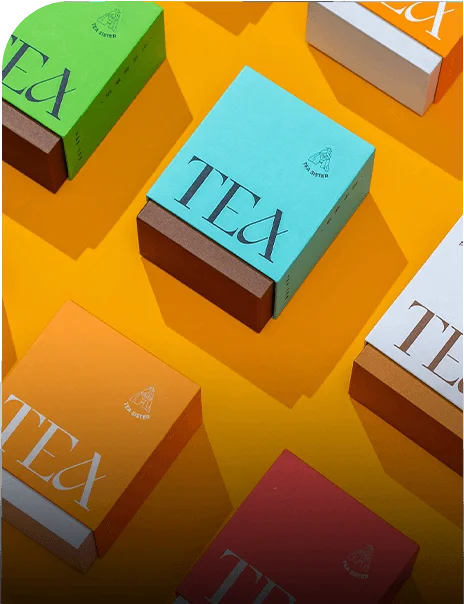









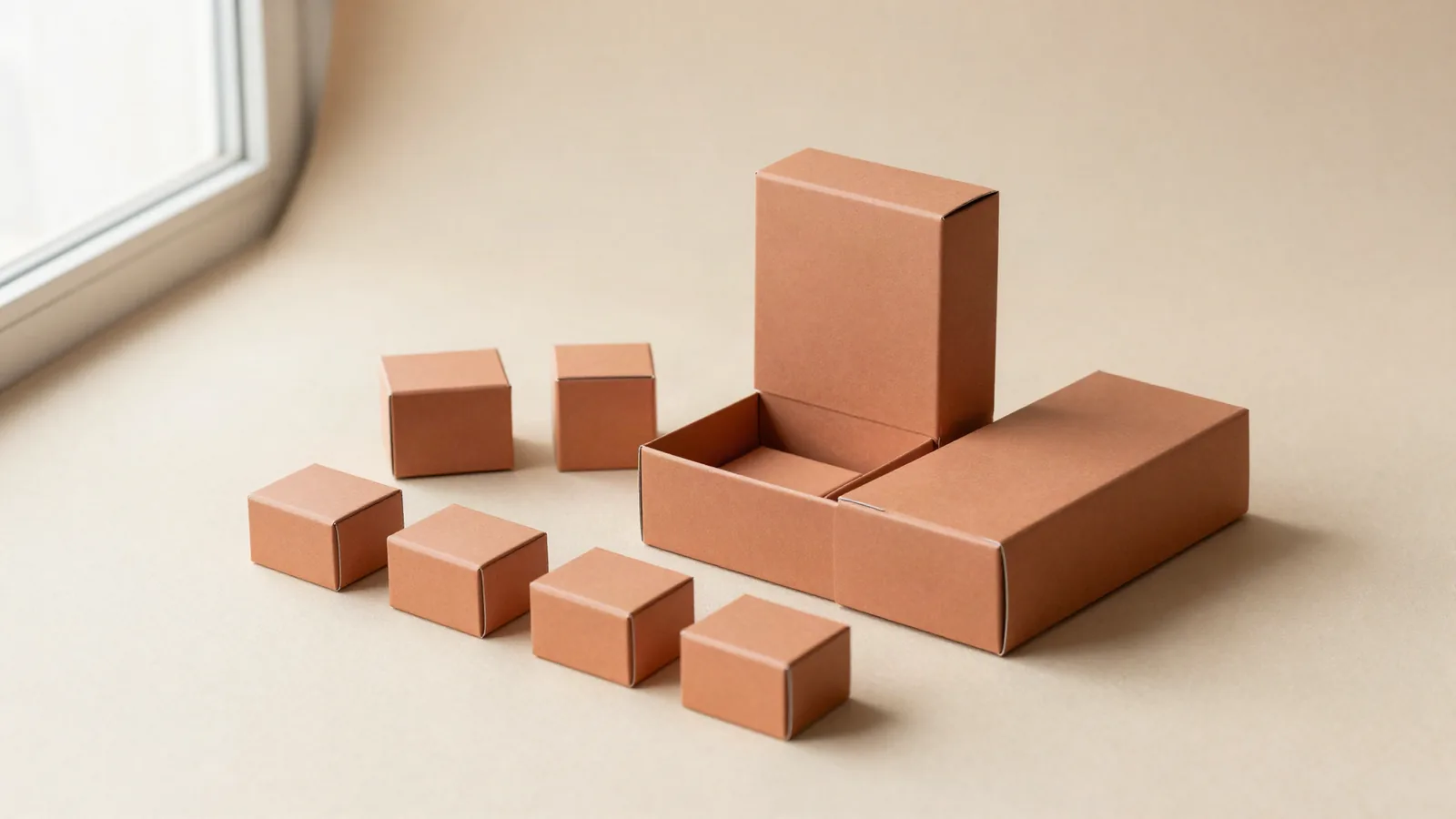



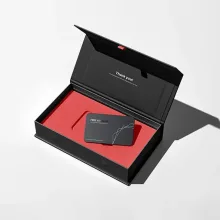
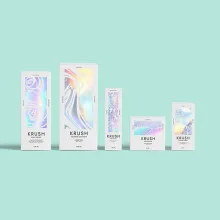
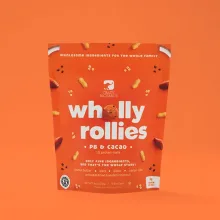
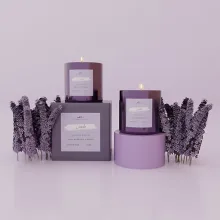
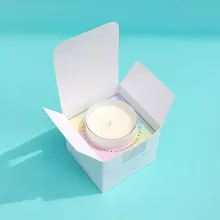
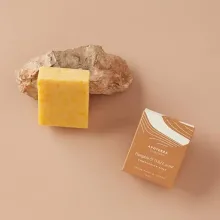



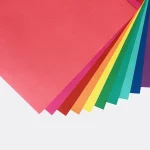




























Cosmetics packaging boxes work best when the product box, outer mailer, and label layout are planned together. A cosmetics packaging system is the set of package pieces and artwork rules that carry one product line. The product shape, closure, sales setting, and handling route determine whether a folding carton, rigid set box, mailer, insert, or label belongs in the order. Start with the filled product and the way it reaches the buyer.
What should a cosmetics packaging system include?
A cosmetics packaging system can include a retail box, a shipping mailer, and labels, but each piece needs its own structure and proof.
Record the container shape, closure, label area, whether the product ships alone or as a set, and whether the box sits on a shelf or inside a mailer. Skincare packaging boxes need room for the product and its copy; a set box needs a packout that keeps each item in position. Treat the box, mailer, and label as related jobs, not one oversized dieline.
| Project need | Material direction | Finish or feature | Proof question |
|---|---|---|---|
| Retail carton | Paperboard or cardstock | Matte, gloss, or spot UV | How should the front panel read? |
| Set box | Rigid board | Soft-touch, foil, or embossing | Does the product stay positioned? |
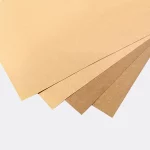
| Kraft direction | Kraft or brown cardstock | CMYK or Pantone | Should the paper color remain visible? |
| Shipping presentation | Corrugated or mailer structure | Printed panels and inserts | Does the opening fit the shipping route? |
Which material fits a custom cosmetic box?
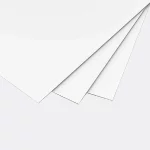
Paperboard or cardstock fits a folding cosmetic carton, while rigid board fits a set box that needs to hold its shape without a fold.
Rigid boxes use chipboard wrapped in printed paper, so the package has a firm shell and separate wrapped surfaces. Kraft or brown cardstock keeps the paper color visible through the print. Corrugated stock makes sense for a mailer or outer shipper because its fluted layer adds thickness and cushioning. The private label packaging page is a useful reference when boxes and labels share a brand system. Wax packaging compares paperboard, kraft, cardstock, straight-tuck, sleeve, window, pillow, and rigid directions.
How does the finish change a cosmetic package?
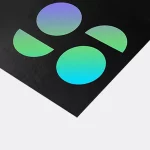
Matte lowers glare, gloss reflects more light, soft-touch changes the hand feel, and spot UV puts a hard gloss on selected artwork.
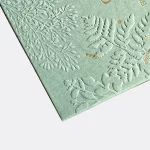
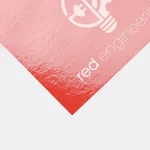
Foil stamping adds metallic detail; embossing raises a surface; debossing presses it in. Aqueous coating is water-based, dries quickly, and takes ink and glue well on flaps. UV coating cures hard and glossy, resists scuffing better than aqueous, but can crack along score lines and is harder to write on. Pantone color matching, CMYK printing, and soy-based inks are print directions to confirm in the proof, not substitute names for a finished specification.
Do skincare packaging boxes need inserts or windows?
An insert makes sense when a bottle, jar, tube, or compact needs to stay in a defined position inside the carton.
Cut the insert to the packed product, not an idealized drawing. If the opening is too tight, filling slows; if it is too loose, the product rattles. A window can reveal the product, a sleeve or belly band can add a brand panel, and a rigid setup box can hold a set without relying on folded paperboard. Custom towel packaging shows window boxes, belly bands, rigid setup boxes, and inserts. Perforated packaging is a reference when a defined tear path matters.
How should box, mailer, and label artwork be prepared?
Prepare the box, mailer, and label as separate layouts that share the same brand rules.
A dieline is the flat cutting template that marks the cut line, folds, glue tabs, window, and print panels. Keep type away from scores and seams. Extend bleed past the cut line as standard prepress practice. RGB artwork can shift when converted for press, and small logos or barcodes need a flat, quiet panel instead of a fold or textured finish. Review every product version on its own digital proof.
What should a cosmetics packaging supplier quote?
A cosmetics packaging supplier quote should name the product fit, structure, material, finish, and artwork scope.
- Filled product dimensions, closure, and label area.
- Single item or set packout, including any insert.
- Box, mailer, label, and intended sales channel.
- Artwork status, copy, color direction, and finish.
- Quantity, destination, and sample requirements.
If you search for a cosmetics packaging manufacturer, ask for the same physical details. Free design support can turn a logo or rough concept into a proof-ready layout, but the product fit and final copy still need buyer approval.
When should a cosmetics buyer review a sample?
Review a physical sample before proof approval when stock, surface feel, color, window placement, or insert fit will affect the decision.
The custom packaging design guide can help organize the brief, and the $19.99 sample kit lets you compare paperboard, kraft, rigid board, print contrast, and finish directions on real materials. Hold the sample beside the filled product; a screen cannot show how a fold changes panel reading or how a finish feels in the hand. The sample kit is credited toward the first order.
What are the order terms for cosmetics packaging?
The MOQ is 100 units. Pricing is from $0.49 per unit at volume, quoted to spec. Production is typically 8 to 10 business days after proof approval, plus delivery. Free US shipping and free design support are available. Put the box, mailer, label, and any insert into the same quote so the proof matches the complete package.
Frequently Asked Questions
Can rigid board, kraft, and paperboard all work for cosmetics boxes?
Cosmetics packaging boxes can use paperboard, cardstock, kraft or brown cardstock, rigid board, and corrugated stock. Paperboard folds into retail cartons, rigid board holds a set box shape, and corrugated stock fits a mailer or outer shipper. The product size, sales setting, handling route, and finish should guide the material choice.
Can a custom cosmetic box combine structure and finish?
A custom cosmetic box can combine a folding carton, rigid box, sleeve, window, or pillow structure with matte, gloss, soft-touch, spot UV, foil, embossing, or debossing. The proof should show the actual product fit and artwork, because a finish can change glare, texture, contrast, or how type reads across a fold.
What keeps a skincare bottle from moving inside the box?
An insert keeps a skincare bottle, jar, tube, or compact in a defined position inside the carton. An insert cut too tight slows filling, while a loose insert lets the product rattle. Send the filled product, closure, and set arrangement so the insert follows the complete packout.
Can labels and mailers share one cosmetics brand direction?
Labels and mailers can share logo treatment, color direction, typography, and finish intent, but they need separate layouts because their surfaces and jobs differ. The box, mailer, and label should be reviewed as a system, with each digital proof checked for folds, seams, copy, and usable print area.
How do I plan a cosmetics packaging order?
Plan a cosmetics packaging order around the product format, artwork status, material, finish, insert, quantity, and destination. A $19.99 sample kit can help compare physical directions, and free design support can help prepare the proof. Production is typically 8 to 10 business days after proof approval, plus delivery, so review the package before approval.