





































































What does cheap personalized bags sukkhar mean for a buyer?
The phrase points to a search for bags with custom names, logos, or artwork, but it does not identify the material, handle, size, or use case. Separate those choices before comparing quotes. A paper shopping bag, non-woven polypropylene bag, and cotton canvas bag belong to different construction families. Their finished costs cannot be compared by material name alone.
Which bag material fits the job?
Non-woven polypropylene is commonly specified at 80 to 120 gsm, while cotton canvas is commonly specified at 8 to 12 oz. GSM means grams per square meter. Oz is the fabric weight convention used for canvas. Paper bags suit retail counters, take-out service, and shorter carrying cycles where a printed front panel matters. The finished bag, handle, gusset, and expected load decide the practical choice.
| Bag family | Common trade reference | Comparison point |
|---|---|---|
| Paper shopping bag | Folded paper body with bottom gusset and optional handles | Front-panel print, handle attachment, and retail presentation |
| Non-woven polypropylene | 80 to 120 gsm is a common range | Fabric weight, handle construction, and repeated handling |
| Cotton canvas | 8 to 12 oz is a common range | Hand feel, sewing, print method, and carrying comfort |
| Take-out bag | Paper structure shaped around service handling | Gusset, opening, handle, and branding area |
Which handles and gusset suit the bag?
Handle attachment changes the load path and the space available for a logo. Paper shopping bags may use twisted paper or flat paper handles. Fabric and non-woven formats may use sewn or heat-set handles. Show the attachment area on the dieline because artwork placed too close to it can look crowded or become interrupted during assembly.
Gusset width changes the front and side panels. A wider gusset creates more standing room but changes the proportion of the front face. State whether the bag should stand open at a counter, fold flat for storage, or carry a particular product shape. Those details affect the bag before print is chosen.
How should variable names be printed?
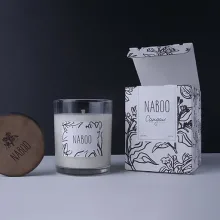
A shared logo and a one-name-per-bag run are different artwork jobs. Offset CMYK suits detailed shared artwork on paper packaging. Digital printing suits short runs or several artwork versions. If each bag carries a different name, color, or graphic, identify the variable elements before the proof is prepared.
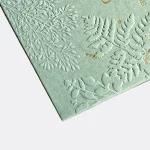
Keep small type away from folds, handle zones, and the bottom gusset. Matte or gloss lamination changes glare. Soft-touch changes hand feel. Foil stamping, embossing, and debossing can add a focal detail to paper or suitable wrapped surfaces, but they also add setup and registration decisions.
What actually changes the personalized bag quote?
Material, finished size, gusset, print coverage, handle style, finishing, tooling, quantity, and shipping decide the quote. A short bag with one shared logo is a different production brief from a tall bag with full coverage and multiple names. Quantity spreads setup work across the run. Tooling can apply to special cuts, plates, dies, or decoration.
| Price driver | What to specify |
|---|---|
| Material | Paper, non-woven polypropylene, cotton canvas, or another selected bag family |
| Size and gusset | Finished width, height, depth, opening, and front-panel area |
| Print coverage | One side, two sides, full coverage, shared artwork, or variable personalization |
| Handles | Twisted paper, flat paper, sewn fabric, or heat-set non-woven |
| Finishing and tooling | Lamination, foil, embossing, debossing, plates, dies, and setup work |
| Shipping | Destination ZIP code, carton count, packed dimensions, and carrier handling |
Which CPL bag formats should I compare?
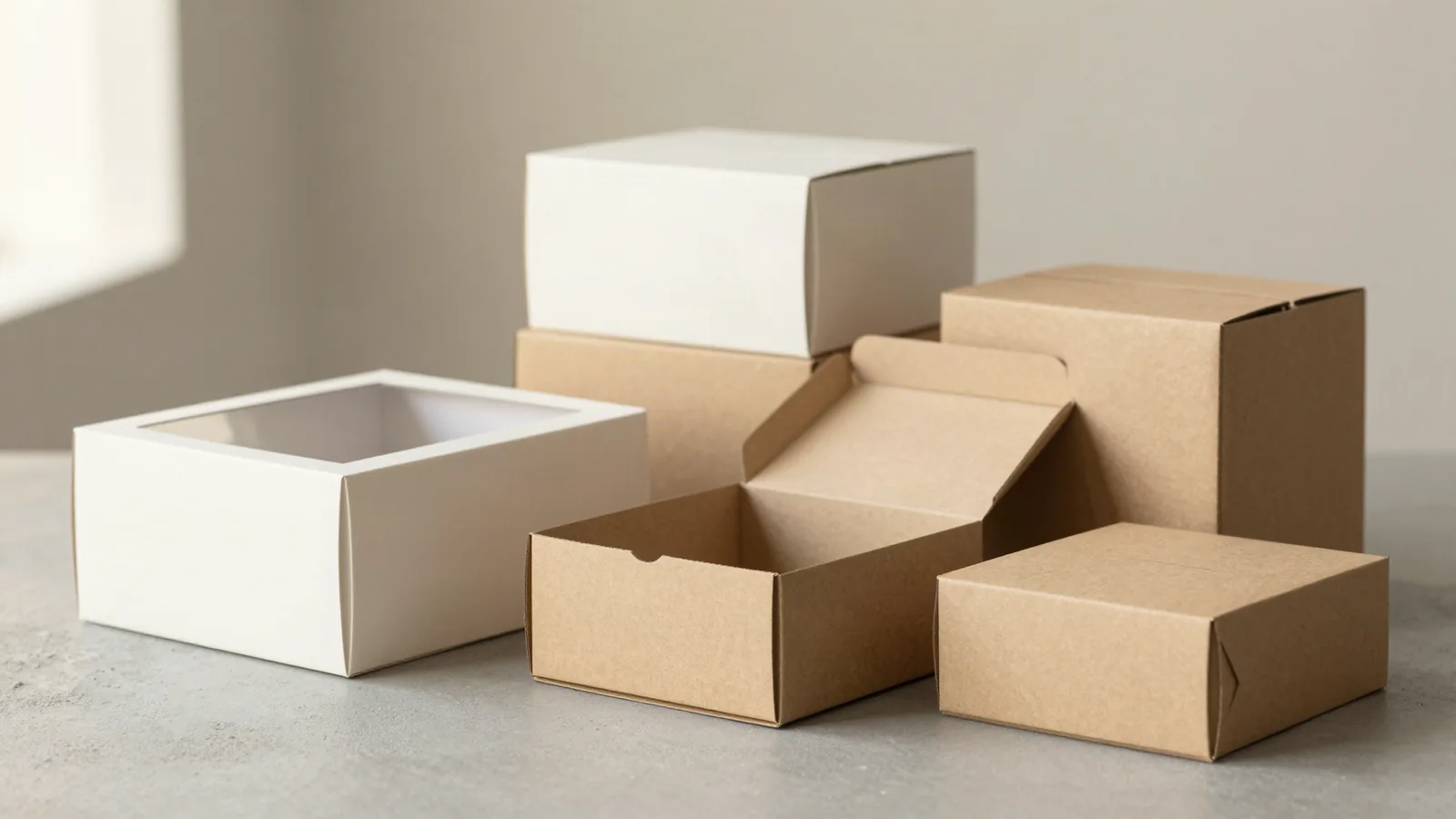
The product family should match the carrying motion before the artwork gets polished. A take-out bag frames a gusseted service format. A shopping bag gives a handled retail reference. Compare retail paper bags and printed paper bags when the front-panel graphic leads the decision. Paper bags with handles are useful when handle placement and carrying comfort matter. The custom packaging for small business hub gives the project a practical starting point.
What should I send for a personalized bag quote?
A bag quote needs a finished size, gusset, handle, artwork count, destination ZIP code, material preference, and use pattern. State the print sides and whether the artwork is shared or variable. Separate required choices from optional finishes so a paper, non-woven, or canvas alternative can be compared against the same brief.
- Name the bag family and finished width, height, depth, opening, and gusset.
- Describe the handle construction and the area available for artwork.
- List shared logos, variable names, artwork versions, print sides, and color direction.
- Mark lamination, soft-touch, foil, embossing, debossing, plates, dies, and setup needs.
- Share packed dimensions, carton count, destination ZIP code, and use pattern.
Custom Packaging Lane quotes personalized bags from a 100-unit minimum. Pricing is from $0.49 per unit at volume, quoted to spec. Production typically takes 8 to 10 business days after proof approval, plus delivery. Free US shipping, free design support, and a free dieline are available. The $19.99 sample kit is credited toward the first order. Send the selected bag family with the finished dimensions for the next quote.
Frequently Asked Questions
Does personalization mean one name per bag?
Personalization can mean one shared logo, a campaign graphic, or different names and artwork across the run. Those are different production briefs. State whether every bag uses the same file, whether versions share a template, and which elements vary. This affects artwork preparation, print method, proofing, and how the bags are packed.
Is non-woven lighter than cotton canvas?
Non-woven polypropylene is commonly specified around 80 to 120 gsm, while cotton canvas is commonly specified around 8 to 12 oz. Those references use different weight systems, so they are not direct equivalents. Finished size, handle construction, gusset, and intended load still matter when comparing carrying weight and hand feel.
Where should a logo sit on a personalized bag?
A logo should sit inside the usable front-panel area, away from the handle attachment, folds, side gusset, bottom gusset, and seams. The exact area depends on the finished bag and handle construction. Put the attachment zone on the dieline before artwork is finalized so the logo does not become crowded or interrupted during assembly.
Which finish changes bag glare?
Matte lamination reduces glare, while gloss lamination increases surface reflectivity. Soft-touch changes hand feel rather than simply changing shine. Foil stamping, embossing, and debossing add decoration and require clear placement around folds, handles, seams, and gussets. Choose the finish after confirming the bag material and the area available for personalization.
What should I put in a personalized bag quote?
A personalized bag quote should name the bag family, finished width, height, depth, opening, gusset, handle, print sides, artwork count, variable elements, material, destination ZIP code, and use pattern. List optional finishes separately. A complete brief makes paper, non-woven polypropylene, and cotton canvas comparisons easier to read.