



























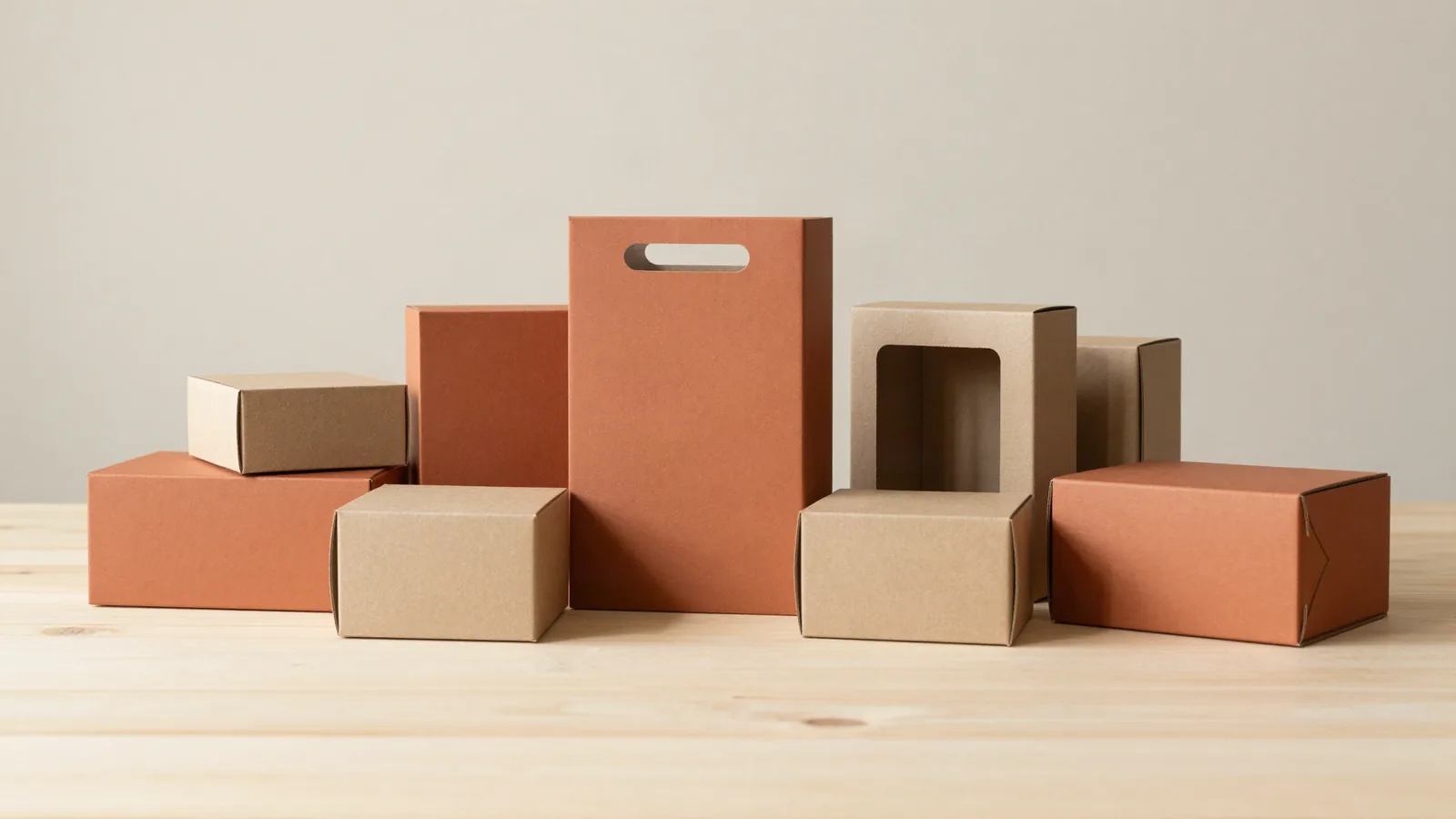















































Premium product box packaging starts with the object that must stay in place. The box has to support movement, access, presentation, and protection at the same time. Product width, height, depth, opening path, insert, and display angle set the structure; print effects come after those details.
A small retail item may suit a folding carton with a clear front panel. An irregular or heavier item may need an insert or corrugated outer pack. A gift set may need a rigid lid, drawer, or magnetic flap. If the box travels inside another shipper, state that before sizing.
What should a product box solve first?
Movement, access, presentation, and protection are the first four checks in a box brief. The structure should hold the packed product, show the intended face, and close without making the contents fall out or bind against a panel.
| Product situation | Common structure | Fit and handling check |
|---|---|---|
| Compact retail product | Straight tuck or reverse tuck carton | Panel order, clearance, closure, and shelf face |
| Tall or narrow product | Sleeve or upright carton | Top clearance, tipping, and removal path |
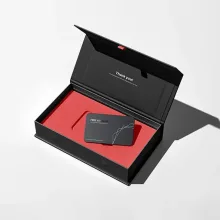
| Gift set or multiple pieces | Two-piece rigid, drawer, or magnetic flap | Insert retention and opening force |
| Parcel-sensitive product | Mailer or corrugated outer box | Movement, corner coverage, and closure |
| Product for shelf display | Product display box or windowed carton | Viewing angle, front panel, and visibility |
How do I measure a product for its box?
Record the widest, tallest, and deepest points, then describe how the item sits inside the package. Box dimensions are conventionally written as length x width x depth, using inside measurements when fit is the priority. About 1/16 in (1.5 mm) is a common tolerance reference.
Do not size the box from the product body alone when the item has a cap, handle, corner, accessory, or protective wrap. Include every part that will ship in the box. For multiple pieces, draw the packed arrangement and identify which pieces need separation. A physical sample exposes movement and pressure points that a flat drawing cannot.
Which board or flute fits the product?
Printed cartons often start with SBS, C1S, or C2S paperboard, while corrugated work uses flute and ECT references. A flute is the corrugated wave between liners. ECT means edge crush test, and 32 ECT is a common strength reference for corrugated planning.
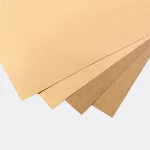
SBS, C1S, and C2S paperboard in the 12 to 24 pt range are common references for printed folding cartons. Kraft board in the 18 to 24 pt range gives a natural surface direction and a different print ground. Rigid chipboard in the 1.5 to 3 mm range wrapped in 100 to 157 gsm art paper creates a firm box body. Corrugated packaging uses E, B, and C flute profiles. Compare board or flute against product weight, stacking, display, and delivery path.
Which closure keeps the product in place?
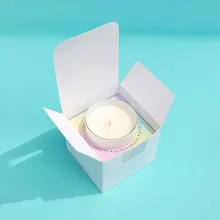
The closure must hold the product through packing and opening, whether the carton uses a tuck, lock, drawer, or flap. A straight tuck end or reverse tuck end can provide a simple folding-carton opening. An auto-lock bottom or crash-lock base changes how the carton forms during packing. A drawer or slide uses a separate inner tray, while a magnetic flap changes the opening motion of a rigid box.
Test the closure with the actual product and insert. Check the loading direction, top clearance, friction, and removal path. The opening should be easy to understand without letting the product fall out.
When should a box include a display window?
Visibility changes the front-panel layout because the window, crease, insert, and product face share one drawing. PET is a clear plastic film, and a PET window around 0.2 to 0.3 mm is a common reference for a clear panel.
Put the main display panel toward the intended viewing angle and keep copy away from the window, crease, or edge. Window patching should not weaken a fold or collide with an insert. If the product needs interior separation, draw the visible window and insert together.
How do print and finishes behave during handling?
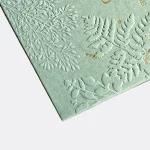
Offset CMYK gives detailed paperboard artwork, digital printing can suit short-run development, and flexo is commonly associated with corrugated packaging. Matte or gloss lamination changes reflection. Soft-touch changes tactile feel. Spot UV, foil stamping, embossing, and debossing can focus attention on a logo or selected panel.
Keep effects away from grip points, scores, seams, and type that must stay readable while the box is opened and handled. Check ink coverage, artwork registration, and finish boundaries on the proof. Low-resolution art and RGB files can create problems after conversion for press, so review the final file on the approved dieline.
Which catalog boxes help compare layouts?
The catalog formats below separate tall, broad, compact, soft, and shelf-facing layout decisions. Wine box packaging can inform a tall product format. Shoe box packaging gives a broader opening and product footprint. , wax packaging, and towel packaging provide compact, category-specific, and soft-goods references. For a shelf-led format, compare product display boxes.
What belongs in a product box brief?
The brief should show the complete packed arrangement, including accessories, inserts, and any outer shipper. Put the physical handling decisions into the request before the artwork is finalized.
- Give the product dimensions, weight, widest point, accessories, and packed arrangement.
- State the required opening, closure, insert, display angle, and removal motion.
- Choose the board or corrugated direction and note the handling path.
- Mark artwork panels, windows, folds, seams, copy, and finish areas.
- Share the quantity, delivery location, and whether the package ships inside another box.
Custom Packaging Lane quotes premium product box packaging from a 100-unit minimum, with pricing from $0.49 per unit at volume, quoted to spec. Production is typically 8 to 10 business days after proof approval, plus delivery. Free US shipping, free design support, and a free dieline are available. Review wholesale custom packaging and order the $19.99 sample kit, credited to the first order.
Frequently Asked Questions
How much clearance should a product box have?
Product box clearance depends on the product surface, insert, board, closure, and removal motion. Write box dimensions as length x width x depth using inside measurements, then compare the product at its widest, tallest, and deepest points. About 1/16 in (1.5 mm) is a common tolerance reference, but an assembled sample should confirm movement and fit.
When is a rigid product box a better choice?
A rigid product box suits a firm presentation, separate lid, drawer motion, or magnetic flap. A folding carton suits scored paperboard, tuck closures, lock bottoms, and flat shipment. Compare product weight, opening force, insert needs, storage space, display position, and delivery handling. The structure should support the product before decorative effects are selected.
What makes a product display box different?
A product display box is arranged around the viewing angle as well as product fit. The main panel, window, shelf position, and printed information need to remain visible when the box is placed as intended. PET around 0.2 to 0.3 mm is a common window reference. Check the window, insert, crease, and artwork together.
Do product boxes need inserts?
A product box needs an insert when the product can shift, needs separation from accessories, or must sit in a fixed display position. Choose contact points that hold the product without pressing on fragile surfaces. Test loading, removal, closure, and repeated opening with the actual insert material. A larger empty box is not a substitute for controlled support.
Which finish works for a printed product box?
Choose the finish from the surface, handling, and artwork. Matte or gloss lamination changes reflection, soft-touch changes tactile response, and spot UV, foil stamping, embossing, or debossing add selected effects. Keep the treatment away from folds, seams, grip points, and small type. Check the assembled box so the effect works at normal handling distance.