




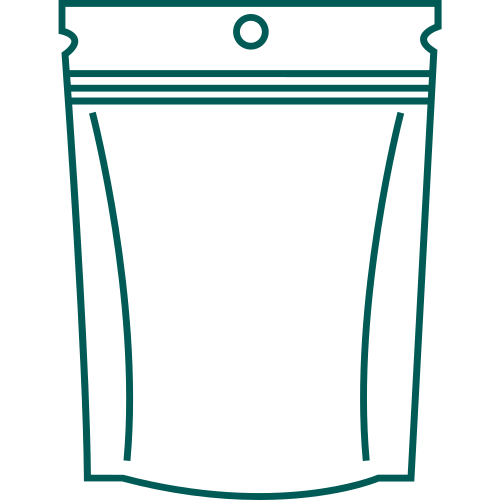

















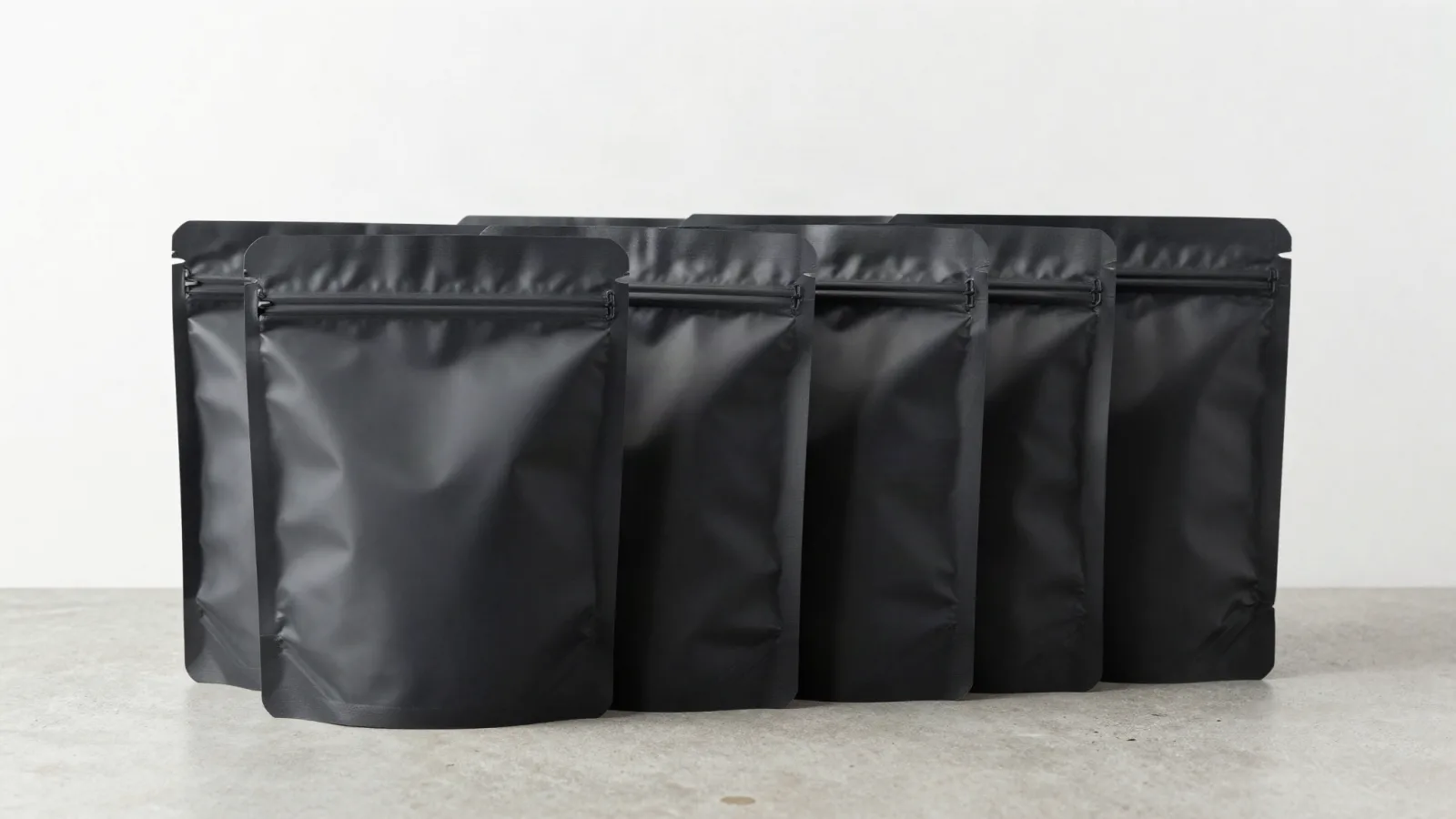



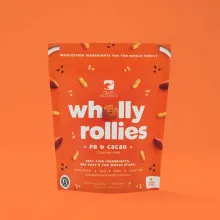



































A resealable zip pouch is a flexible pouch with a track closure that opens and closes after the first opening. The searches ziplock pouch packaging, resealable pouch options, zipper pouch custom, and resealable mylar bag zipper point to the same buying task, but they do not specify the closure, film, seal zone, or finished size. A seal zone is the part of the pouch reserved for heat sealing or closure clearance. Put those fields in the quote.
Which closure should you specify for a resealable pouch?
A press-to-close zipper is the usual choice for repeated opening and closing, while a child-resistant zipper is a feature that adds opening resistance. Heat-seal-only packaging has a sealed top that is opened rather than resealed. Name the closure in the brief before artwork is placed.
| Closure record | Opening routine | Artwork note |
|---|---|---|
| Press-to-close | Opens and closes repeatedly | Keep the zipper track clear |
| Child-resistant zipper feature | Adds opening resistance | Reserve space for opening guidance |
| Heat-seal-only | Opens by tearing or cutting | Keep the top seal separate from main copy |
Do not treat these labels as interchangeable. A child-resistant feature changes how the pouch is opened, while a press-to-close track changes the repeated opening routine. The final pouch record should name the closure beside the film, finished size, finish, artwork, quantity, and destination. Any closure surcharge belongs in the quote, not in a general page price.
How should artwork avoid the zipper and seal?
Keep the zipper line, top seal, tear area, and any gusset outside the main artwork zone. A gusset is a folded side or bottom panel that gives a pouch more room when filled. Mark the front panel, back panel, and usable fill area on the dieline before placing the logo or product name.
Artwork should be checked on a filled or assembled pouch, not only on a flat file. Type set too close to a seal can disappear into the functional area. Low-resolution art stays soft in print, RGB art can shift when converted for press, and missing bleed leaves a white edge after cutting. The digital proof is the place to catch those faults.
Does the film change how a resealable pouch works?
Film changes the pouch surface and barrier, while the zipper controls how the pouch opens. Mylar is a packaging film with a metallized layer that reduces light, moisture, and odor transfer. That barrier comes from the film layer, not the zipper. Film, closure, finish, artwork, and seal area should be recorded as separate fields.
Kraft standup pouches keep the kraft surface visible, while printed flexible film gives a different color base. Matte and gloss finishes change reflection, not the basic opening routine. For tea or another product with a direct package relationship, ask us about food-contact options for your product.
Which pouch format should you compare?
Compare the pouch format that matches the fill pattern, opening routine, and artwork area. Zipper pouches are the direct closure-led reference. Mylar bags for freeze drying support a barrier-focused flexible-package discussion. and kraft standup pouches show different pouch formats, while herbal tea pouches give a product-led reference for artwork and food-contact questions. These pages do not replace a project-specific closure record.
What should a sample tell you?
A sample should let you feel the zipper track, check the top seal, compare matte and gloss surfaces, and see how the pouch sits when filled. The $19.99 sample kit is a practical starting point for closure and film discussion. It does not set the final pouch size, closure placement, artwork, or product contact path, which belong in the project proof.
A zipper track also needs enough clear film around it for the pouch to open without catching on artwork or the top seal. Record that usable area with the finished size and fill pattern. A quote should show whether the selected closure changes the unit price, but the amount belongs to the final pouch construction.
What do custom resealable pouch orders cost and how long do they take?
Custom resealable pouch projects use an MOQ of 100 units. Pricing is from $0.49 per unit at volume, quoted to spec. Production is typically 8 to 10 business days after proof approval, plus delivery. Free US shipping and free design support are available. Put the closure, film, size, artwork, finish, quantity, and destination in the request. For broader format planning, use custom packaging solutions, then keep the pouch closure as the working scope.
Frequently Asked Questions
What does resealable mean on a pouch?
Resealable on a pouch means the package has a closure that can be opened and closed after the first opening. A press-to-close zipper uses tracks that meet again after opening. The film, seal zone, finished size, and closure are separate parts of the specification, so the word resealable alone is not enough for a quote.
How should I record a pouch closure?
Record the pouch closure as its own field beside the film, finished size, finish, artwork, seal area, quantity, and destination. Press-to-close, a child-resistant zipper feature, and heat-seal-only describe different opening routines. Naming the feature directly keeps the proof and quote tied to the pouch you plan to order.
How should artwork avoid a pouch zipper?
Artwork for a resealable pouch should keep the zipper line, top seal, tear area, and gussets clear. Place the product name and main mark on the panel that remains visible after filling. Check low-resolution art, RGB color conversion, bleed, and type near the seal before proof approval.
Can CPL discuss food-contact options for a resealable pouch?
Custom Packaging Lane can discuss food-contact options for a resealable pouch. Record that question separately from the zipper, film, artwork, finish, and seal-zone fields. The final quote should identify the selected construction and product use, while the digital proof should show the finished pouch layout.
What is the minimum run for a custom zipper pouch?
Custom Packaging Lane uses a 100-unit MOQ for custom zipper pouches. Pricing is from $0.49 per unit at volume, quoted to spec. Production is typically 8 to 10 business days after proof approval, plus delivery. Free US shipping, free design support, and a $19.99 sample kit are available.