
















































































A serum box is sized around the filled bottle, closure, and presentation, not around the word serum. A dieline is the flat cutting template used to print, cut, score, and fold a box. Send the bottle dimensions with the cap, pump, or dropper installed. Add the label area, insert, instruction card, and opening method before choosing material.
How do I size a serum box?
The right serum box size leaves enough clearance for the bottle and any insert without letting the product rattle. Measure the filled bottle at its widest and tallest points, including the closure and label, then describe how it will sit in the box.
| Input | What to measure | Fit consequence |
|---|---|---|
| Bottle body | Maximum width and depth | Sets the main cavity |
| Closure | Cap, pump, or dropper height | Sets the inner height |
| Label | Front face and wrap area | Sets the display panel |
| Insert | Compartments, notches, and thickness | Changes the available clearance |
| Opening | Tuck flap, lid, or sleeve | Changes top clearance and scores |
Send a physical sample if the shoulder, pump, or dropper makes the profile irregular. The custom serum boxes product page is the starting catalog reference.
Should I choose a folding or rigid serum box?
A folding carton is paperboard or cardstock with scored folds and ships flat. A rigid box uses chipboard wrapped in printed paper, so the finished structure holds its shape without a folding carton crease.
Choose folding when compact storage and printed retail panels matter. Choose rigid when the set needs a fixed presentation structure. This is a material and opening decision, not a label decision. Compare each format with the actual bottle and insert before approving the art.
When does a serum box need an insert?
A serum box needs an insert when the bottle, dropper, cap, or instruction card needs a defined position. A paperboard insert can create compartments, while a foam insert can cushion a small bottle and keep it from shifting.
An insert should be cut to the packed product, then checked against the lid or tuck flap. A loose cavity lets the bottle move. A tight cavity slows loading or marks the package. The custom foam box inserts product page shows an insert-led structure, and the custom DNA test kit box page is a compartment reference for a multi-piece kit.
Which materials and finishes suit serum packaging?
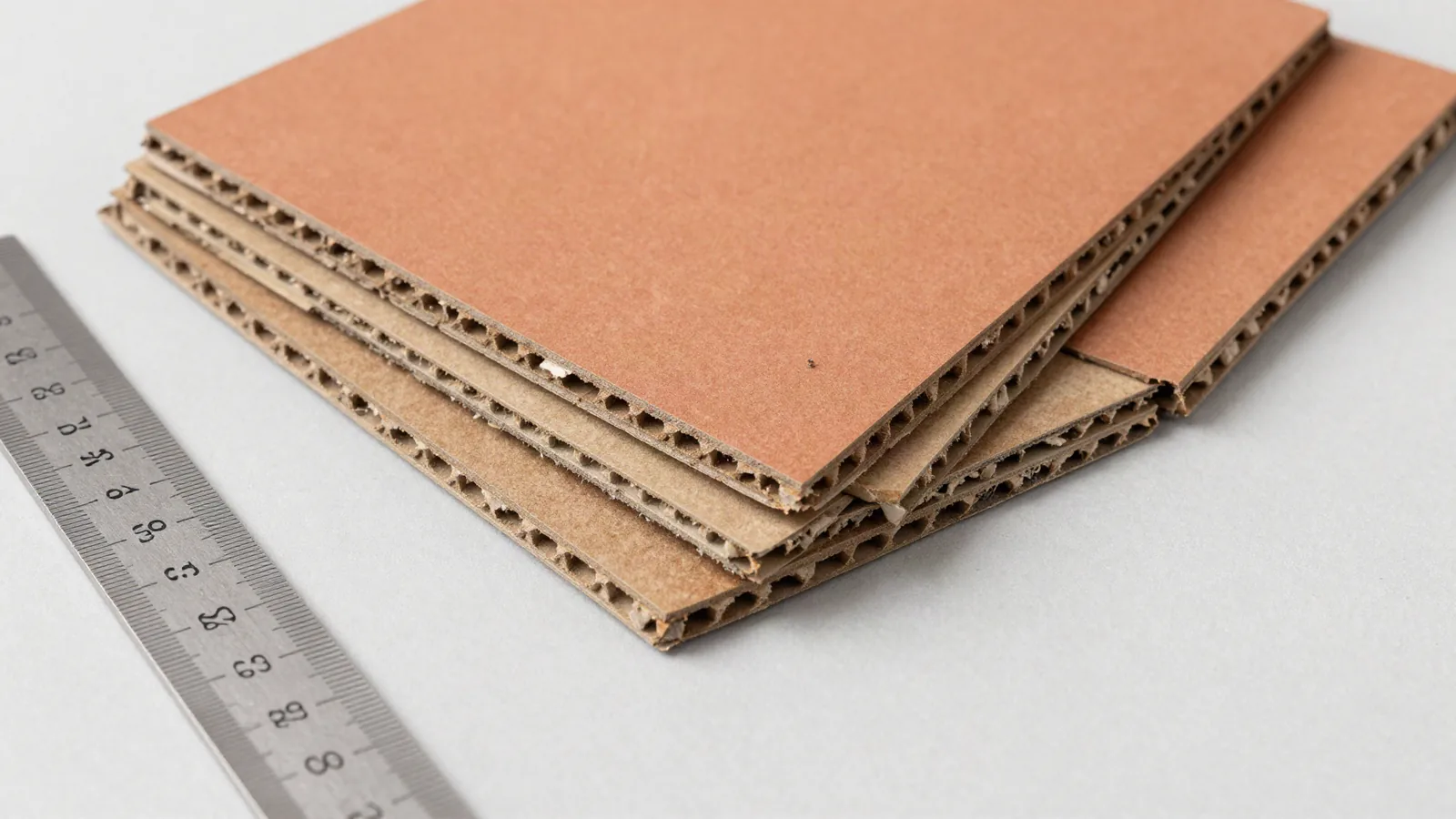
Paperboard and cardstock suit compact printed cartons, while rigid board suits a presentation box. Kraft changes the base color of the artwork, and white board gives colors a cleaner background. Corrugated stock can be considered for an outer mailer or shipper, not as a default serum carton.
Finish changes how the package reads and handles. Matte lamination reduces glare, gloss reflects more light, and soft-touch adds a softer surface feel. Spot UV adds gloss to selected artwork. Foil, embossing, debossing, and holographic effects need space in the art and a check against scores and folds. CPL catalog directions include CMYK, Pantone, and soy-based printing.
What should the dieline and proof show?
The proof should show the flat dieline, folded package, insert, closure, and the bottle placed inside. Keep type away from scores, leave bleed beyond the cut line, and check barcode size and quiet zone against the standard for the chosen barcode.
Low-resolution artwork can look jagged after print, and RGB art can shift when converted for press. Check the label panel, the order of opening, the cap clearance, and whether the insert holds the product without rattle. Approve the proof only after the structure and artwork agree.
What terms should I plan for a serum box order?
The MOQ is 100 units. Pricing is from $0.49 per unit at volume, quoted to spec. Production is typically 8 to 10 business days after proof approval, plus delivery. Free US shipping and free design support are available.
A $19.99 sample kit can help settle the board and finish direction before proof approval. For artwork and structure planning, see custom packaging design, then send the filled bottle dimensions with the quote request.
Frequently Asked Questions
How are serum box dimensions chosen?
Serum box dimensions are chosen from the filled bottle, closure, label, insert, and opening method. Measure the bottle at its widest and tallest points with the cap, pump, or dropper installed. The final dieline should leave enough room for loading without letting the bottle rattle inside the package.
What is the difference between a folding and rigid serum box?
A folding serum box uses paperboard or cardstock with scored folds and ships flat. A rigid serum box uses chipboard wrapped in printed paper and holds its shape. Choose between them after comparing the bottle, insert, storage plan, sales channel, and opening sequence in a physical structure.
When should a serum box include an insert?
A serum box should include an insert when the bottle, dropper, cap, or instruction card needs a defined position. A paperboard insert creates compartments, while a foam insert cushions and retains a small bottle. The insert should be checked with the filled package so it does not bind the closure or leave the product loose.
Can serum boxes use foil or spot UV?
Serum boxes can use foil or spot UV as selected finish directions. Spot UV adds gloss to chosen artwork, while foil creates a reflective detail on the printed surface. Review either finish with the board, scores, folds, label panel, and proof before approving production.
What are the MOQ and production terms for serum boxes?
The minimum order for serum boxes is 100 units. Pricing is from $0.49 per unit at volume, quoted to spec. Production is typically 8 to 10 business days after proof approval, plus delivery. Free US shipping, free design support, and a $19.99 sample kit are available.












