



















































What are shaped Mylar bags?
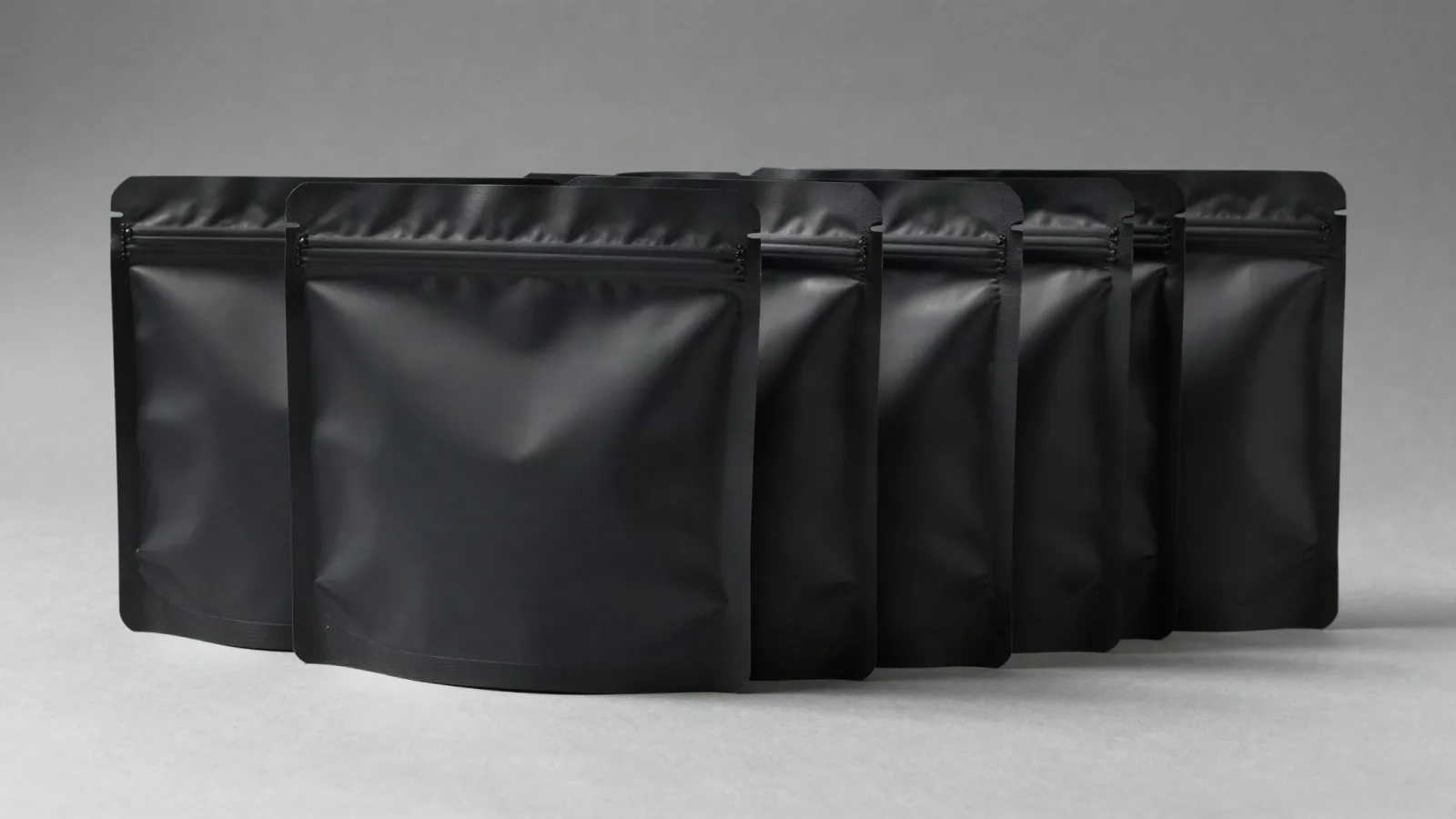
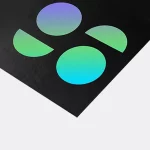
A shaped Mylar bag is a flexible pouch cut to an outline beyond a standard rectangle. Mylar is polyester film, often combined with other film layers in a laminate. The cut perimeter can follow an irregular silhouette, a product-led outline, or a die-cut shape that changes how the bag is held and displayed.
The outline still has to leave room for filling, sealing, opening, and artwork. A shape that looks clear in a front view can lose usable area near a tight curve or seal. CPL's irregular shape Mylar bags and die-cut Mylar bags give two direct catalog directions.
Which custom shape pouch format fits the outline?
The right format depends on the cut perimeter, closure, fill area, and way the bag will be handled. Use the catalog references below to name the route before the tooling drawing is prepared.
| Bag direction | Catalog reference | Physical check |
|---|---|---|
| Printed custom bag | Custom printed Mylar bags | Artwork follows front and back panels |
| Irregular outline | Irregular shape Mylar bags | Perimeter leaves enough fillable area |
| Die-cut design | Die-cut Mylar bags | Tooling follows curves, notches, and opening |
| Ziplock shape | Custom Mylar ziplock bags | Closure stays above the fill area |
| Large format | Large Mylar bags | Footprint works with folding and handling |
For a film-led comparison, custom plastic Mylar bags give another product route. The catalog name starts the conversation. The product footprint, opening, seal, and outline settle the actual combination.
How does die-cut tooling set a bag shape?
Die-cut tooling is the cutting form that follows the outer perimeter of the bag. It is separate from the artwork file. The tooling drawing should show the cut line, seal area, closure, curves, corners, and any place where the film must remain flat for sealing.
Rounded corners usually leave more usable film than needle points. A deep notch can reduce the material around the seal or make the bag harder to fill. The outside cut also has to leave enough room for the front and back layers to meet. CPL's free design support can help organize the shape brief before the digital proof.
What does the film do inside a shaped pouch?
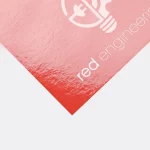
A metallized polyester layer creates the light barrier in many Mylar laminate structures and reduces moisture and odor transfer. A clear film structure shows the contents instead of blocking light. The laminate is the bonded group of film layers, and each layer changes the bag's print surface, seal behavior, and barrier performance.
Three to six mil is a common industry range for flexible pouch laminates, but the selected construction sets the final thickness. A thicker film can change how a curve folds and how much force the seal needs. If the bag will hold food, ask us about food-contact options for your product.
How should artwork fit an unusual pouch outline?
Keep the primary mark, product name, and required copy away from tight curves, the top seal, the zip closure, and the cut edge. The flat artwork should show the front and back panels separately, with cut and seal lines on their own reference layers.
Low-resolution art can blur on the printed film. RGB artwork can shift when it is converted for press. A 3 mm bleed is a common prepress starting point for flexible packaging, but the printer should confirm the required bleed on the actual tooling drawing. View the flat art and the formed bag together before proof approval.
What are the order terms for shaped Mylar bags?
Shaped Mylar bag projects use a 100-unit MOQ. Pricing is from $0.49 per unit at volume, quoted to spec, with the outline, film, printing, closure, finish, quantity, and delivery details in the quote. Free US shipping and free design support are available. Production is typically 8 to 10 business days after proof approval, plus delivery.
The $19.99 sample kit can help compare a bag direction before production artwork moves forward, and the cost can be credited toward the first order. Use custom packaging design to organize the shape, film, closure, and artwork brief.
What should a shaped bag brief include?
- The outside perimeter, product footprint, and packed fill level.
- The top opening, seal area, ziplock, tear feature, or other closure direction.
- The film direction, finish, print coverage, and artwork status.
- The front and back panel priorities, including copy that must stay clear.
- The quantity, destination, and delivery requirements.
A simple flat drawing is enough to start. Mark the areas that must remain visible, then let the tooling and proof settle the final outline.
Frequently Asked Questions
Can you make novelty shaped Mylar bags?
Novelty shaped Mylar bags can be discussed when the outline leaves room for filling, sealing, opening, and artwork. A die-cut or irregular shape should be checked as a flat pattern, not only as a front-facing rendering. CPL can compare the shape with the product footprint and selected closure before proof approval.
What is the difference between die-cut and irregular-shape Mylar bags?
Die-cut Mylar bags are defined by the cutting method and tooling path, while irregular-shape Mylar bags describe a perimeter that moves beyond a standard rectangle. The two descriptions can overlap. The actual choice depends on the outline, film structure, seal area, closure, and product fit shown in the tooling drawing.
Does a shaped pouch need a zipper?
A shaped pouch does not need a zipper unless the opening plan calls for one. A ziplock must sit above the fill area and leave enough flat film for sealing. A heat-sealed pouch uses a separate seal area instead. Share how the bag will open and close before choosing the closure.
What quantity, pricing, and timing apply to shaped Mylar bags?
Shaped Mylar bag projects use a 100-unit MOQ. Pricing is from $0.49 per unit at volume, quoted to spec. Production is typically 8 to 10 business days after proof approval, plus delivery. Free US shipping and free design support are available for the shape, film, printing, and closure brief.
Can I get design help and a sample for a shaped pouch?
Free design support can help organize the shape, tooling, film, closure, and artwork brief. A $19.99 sample kit can provide a physical reference before production artwork moves forward, and the cost can be credited toward the first order. Free US shipping is also available.