






































































What should a shrimp container accomplish?
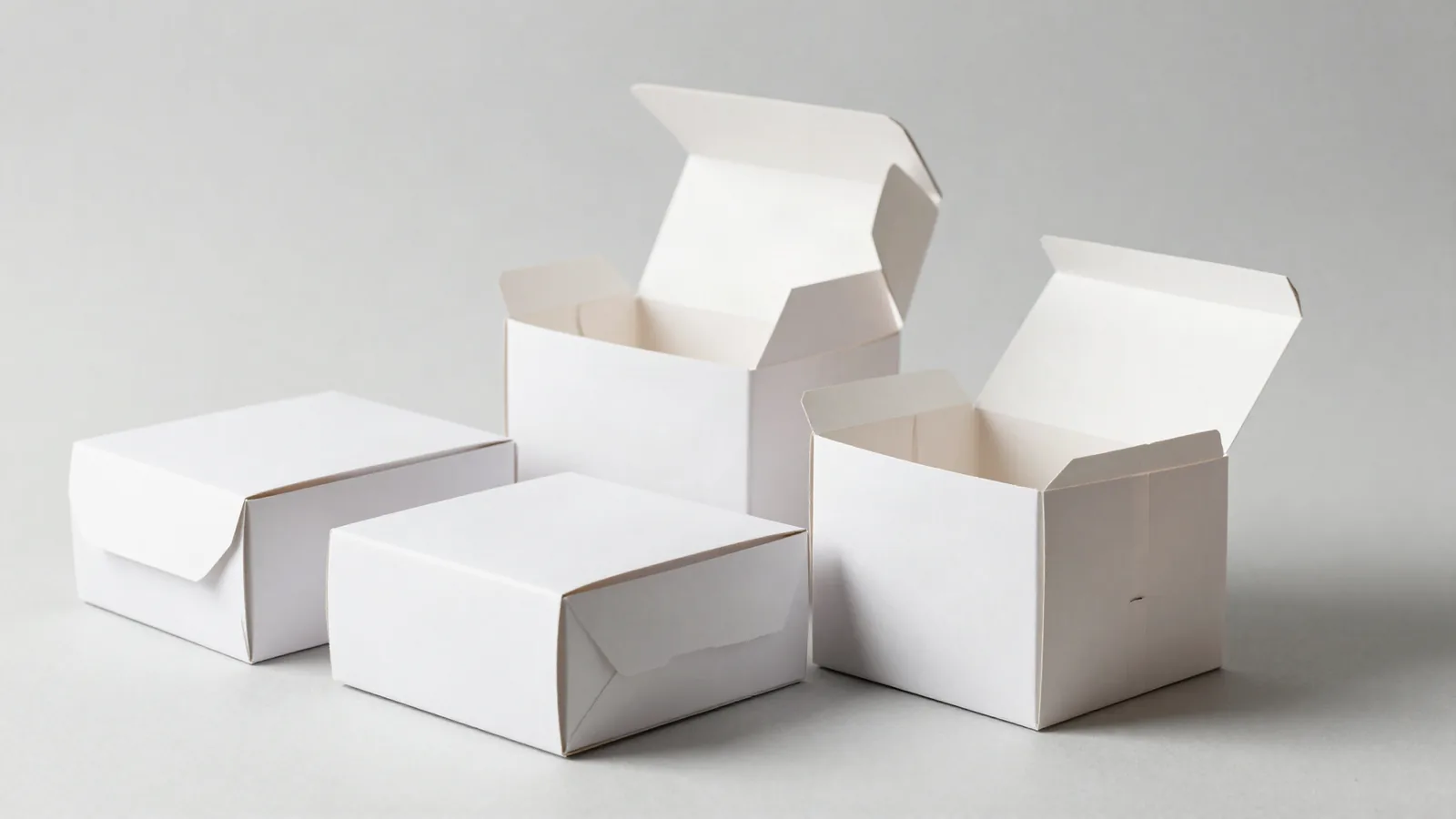
The inner vessel sets the outer carton brief. A shrimp container can mean a printed carton around a tray or pouch, a carry package, or a shipping outer. Decide which job the box has before choosing board, closure, window, and print. The custom shrimp boxes page is the direct catalog reference. The same shrimp box reference is useful when comparing panel shape, opening, and pack clearance.
Measure the filled vessel and state length x width x depth, with inside or outside dimensions clearly marked. Include the lid, seal area, label, absorbent material, and loading clearance. A dieline is the flat cutting template used to print, cut, and fold the carton. A common packaging convention allows about 1/16 inch, or 1.5 mm, of fit tolerance. Check the assembled fit against the selected board and converting process.
Which material direction fits a shrimp package?
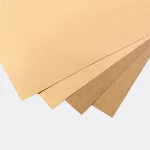
SBS, C1S, and C2S paperboard in the 12 to 24 pt range are common starting points for a printed outer carton. SBS is solid bleached sulfate board; C1S has one coated side, and C2S has two. Kraft board in the 18 to 24 pt range gives a different surface direction. Corrugated E, B, or C flute changes the balance between profile, cushioning, and stacking. ECT means edge crush test, a board-strength designation, and 32 ECT is a familiar reference.
Food-contact requirements belong to the complete construction, not the outer box alone. Ask us about food-contact options, then identify the inner vessel, liner, coating, filling conditions, and storage conditions before final material selection.
| Packaging direction | Common industry reference | Buyer decision |
|---|---|---|
| Printed carton | SBS, C1S, or C2S, commonly 12 to 24 pt | Print surface, fit, closure |
| Kraft carton | Kraft board, commonly 18 to 24 pt | Natural surface direction |
| Corrugated shipper | E, B, or C flute, with 32 ECT as a common convention | Protection and stacking |
| Window feature | PET, commonly 0.2 to 0.3 mm | Product visibility and assembly |
These are general packaging references. Product weight, moisture, temperature, closure, shipping conditions, and inner packaging still control the final construction.
Should the container show the product?
PET is a clear plastic film, and PET window material commonly falls around 0.2 to 0.3 mm for a display feature. Window size, patching method, folding pattern, and handling determine whether that thickness works for the assembled package. The window removes printable area and changes the relationship between the front panel, folds, and seal or glue zones.
Full-panel print gives more room when visibility is not needed. Offset CMYK is common for detailed paperboard artwork, flexo is common for corrugated packaging, and digital printing can suit short-run work. Check the window position, panel order, opening action, and barcode area on the proof.
How should dimensions and shipping use be specified?
Dimensional weight is a carrier calculation based on package volume. For US ground planning, it is commonly calculated as L x W x H divided by 139. State whether each dimension is inside or outside, then show how the vessel, lid, insert, and clearance fit within the carton. Carrier planning uses the packed footprint, not the empty box.
Write the product grouping into the brief. A single vessel, several retail cartons, and a grouped shipper require different outer dimensions, dividers, stacking patterns, and handling assumptions.
What print and finish choices are available?
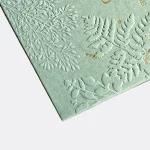
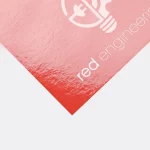
Matte and gloss lamination change sheen and surface protection. Soft-touch changes the tactile surface, while spot UV concentrates gloss on selected artwork. Foil stamping, embossing, and debossing add raised, recessed, or reflective detail, but folds, glue areas, window edges, and handling points need a proof check before the finish is approved.
How do I order a shrimp container?
Send the filled vessel dimensions, weight, opening method, board direction, artwork status, quantity, finish, and delivery destination. We draw the dieline and send a digital proof before printing. Request the sample kit to compare structure, board, print, and finish. Continue broader planning through custom packaging solutions, and review the custom shrimp boxes catalog for the direct product format.
Quotes use a 100-unit minimum, with pricing from $0.49 per unit at volume, quoted to spec. Production is typically 8 to 10 business days after proof approval, plus delivery. Free US shipping, free design support, and a free dieline are included. The $19.99 sample kit is credited toward the first order. Ask us about food-contact options before approving the final construction.
Frequently Asked Questions
What structure is a practical starting point for a shrimp container?
A folding carton is a practical starting point when the shrimp already sits in a tray, pouch, or other inner vessel. Corrugated E, B, or C flute is a common direction when the outer package needs more shipping protection. Share the filled dimensions, weight, opening method, stacking plan, and storage conditions before choosing the structure.
Can a shrimp container include a clear window?
A PET window can show the product when the package construction supports it. PET window material is commonly around 0.2 to 0.3 mm, with the final choice affected by window size, folds, patching, and handling. The window reduces printable area and changes assembly details, so its position belongs on the dieline.
Which materials are common for seafood package exteriors?
SBS, C1S, or C2S paperboard in the 12 to 24 pt range is common for printed exteriors. Kraft board around 18 to 24 pt provides another surface direction. Corrugated E, B, and C flutes are common for protective outers, with 32 ECT as a familiar edge-crush reference. Ask us about food-contact options for the complete construction.
How should shrimp container dimensions be measured?
Measure the filled inner vessel, including its lid, seal area, label, tray, or protective layer. State length x width x depth and mark inside versus outside measurements. A common convention allows about 1/16 inch, or 1.5 mm, of fit tolerance. Confirm the final fit with the selected board, closure, and an assembled sample.
What changes when a shrimp container ships by ground?
US ground planning commonly uses dimensional weight calculated as L x W x H divided by 139. The packed outer footprint therefore matters even when the shrimp container is light. State how many units travel together, whether dividers are needed, and the outer dimensions of the grouped shipper before reviewing the shipping format.