






























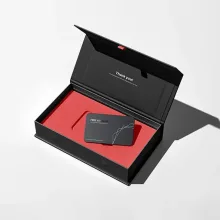
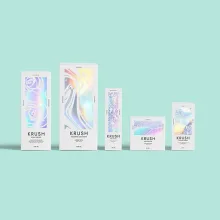
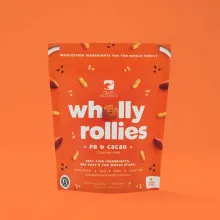

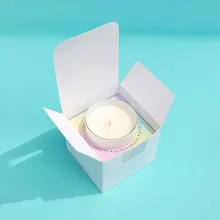





































What does shrimp packaging need to cover?
Shrimp packaging begins with the full pack, not the printed outer panel. Identify the inner pouch, tray, container, seal area, storage condition, handling route, and information that must appear on the carton or sleeve. A printed outer package can carry approved product copy and brand artwork, but it should not be treated as the food-contact layer by default.
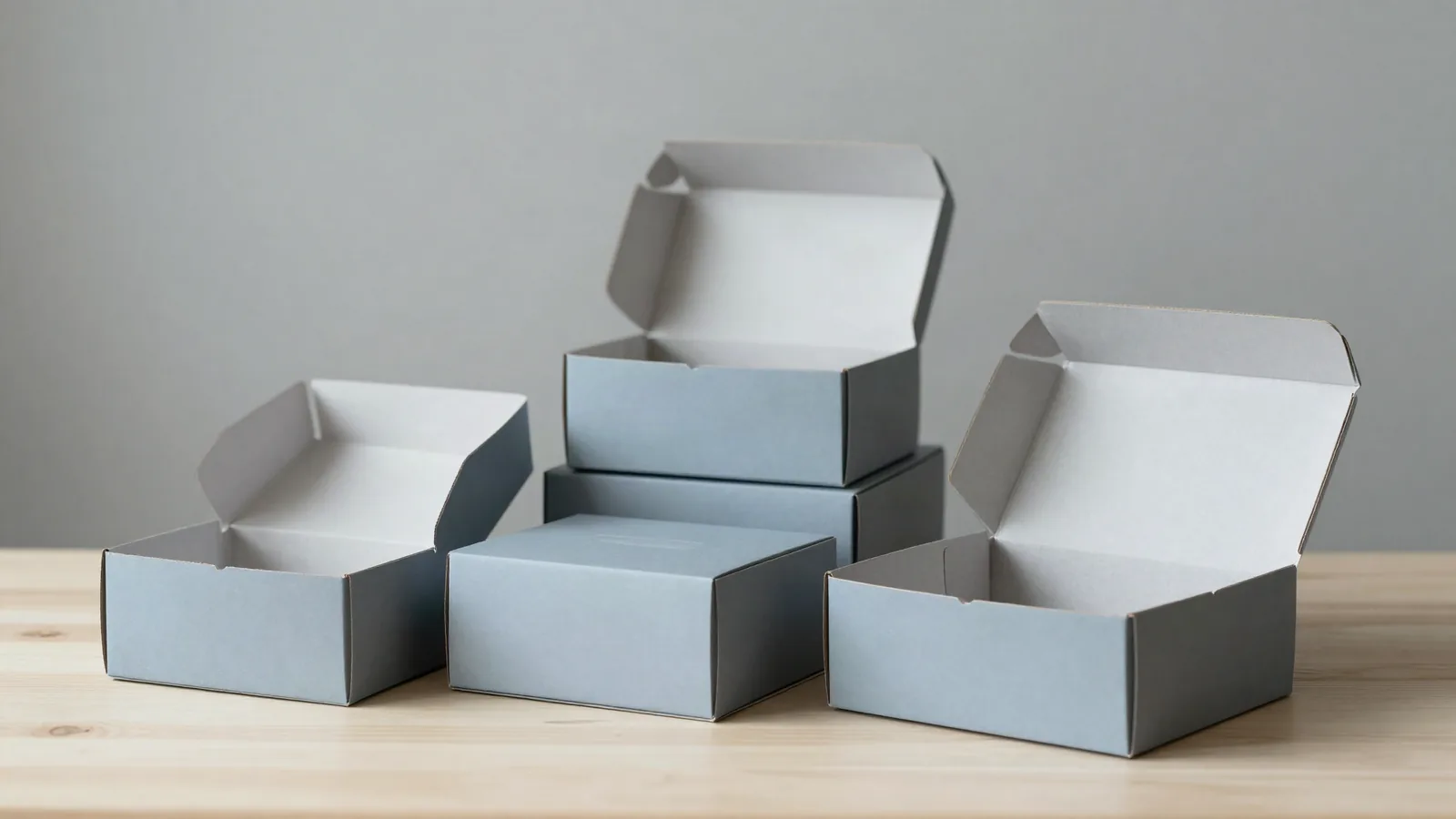
If you searched for shrimps packaging, the same specification applies. Common formats include a carton around an inner pouch, a sleeve around a tray, a display carton with a PET window, and a corrugated shipper for grouped units. A roll end tuck top mailer is commonly associated with FEFCO 0427. FEFCO 0427 is a standard code used to identify that mailer style. A flexible inner pack may use mylar or foil laminate with PET / AL / PE layers, subject to the intended application. Ask us about food-contact options for the complete construction.
Which structures and materials suit seafood presentation?
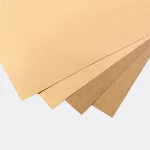
SBS, C1S, or C2S paperboard in the 12 to 24 pt range is a common printed-carton reference. SBS is solid bleached sulfate board; C1S has one coated side, and C2S has two. Kraft board commonly falls around 18 to 24 pt when a natural surface is part of the design direction. Corrugated E, B, or C flutes change the balance between profile, cushioning, and stacking, with 32 ECT as a common strength convention. Rigid formats commonly use 1.5 to 3 mm chipboard wrapped in 100 to 157 gsm art paper. That construction holds its shape and belongs to a presentation-box discussion, not a standard seafood shipper.
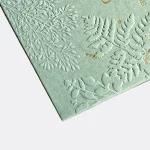
A PET display window is commonly around 0.2 to 0.3 mm. Offset CMYK supports detailed paperboard artwork, flexo is common on corrugated, and digital printing can suit short runs. Matte or gloss lamination changes the surface, while soft-touch, spot UV, foil stamping, embossing, debossing, and window patching add specific finish effects. Folds, scores, glue zones, window edges, and handling exposure need review before approval.
How should I measure shrimp packaging?
The fit decision starts with the complete packed unit. Measure the pouch, tray, container, seal area, label, lid, and protective layer, then state length x width x depth with inside measurements identified. A common packaging convention is about 1/16 inch, or 1.5 mm, of tolerance. If units ship together, measure the grouped arrangement separately because the outer carton, dividers, and stacking pattern change.
| Packaging layer | Common convention | Buyer decision |
|---|---|---|
| Printed carton | SBS, C1S, or C2S, commonly 12 to 24 pt | Print surface and structure |
| Flexible inner format | PET / AL / PE laminate layers | Food-contact options to discuss |
| Display window | PET, commonly 0.2 to 0.3 mm | Whether visibility is needed |
| Grouped shipper | E, B, or C flute, with 32 ECT common | Stacking and movement |
How should artwork handle folds and finishes?
Keep product identity, approved copy, and barcode placement away from scores, seams, glue panels, window edges, and scuff zones. Low-resolution art, RGB files converted for press, missing bleed, and type set too close to a fold are common prepress problems. Offset CMYK is a common carton route, while flexo suits many corrugated shippers. Matte or gloss lamination, spot UV, foil, embossing, and debossing should be mapped on the dieline. Check the digital proof before anything prints.
Related format references include private label packaging for brand-led outer presentation, perforated packaging for controlled opening ideas, and wine box packaging for structured product presentation. These pages are format references, not claims about shrimp-specific suitability.
How do I request a shrimp packaging quote?
Send the packed dimensions, inner format, quantity, artwork status, preferred structure, finish, delivery destination, and food-contact questions. We draw the dieline and send a digital proof before printing. Request the sample kit to compare materials and finishes. Use the custom packaging for small business hub for broader project planning.
Shrimp packaging is quoted to spec from a 100-unit minimum, with pricing from $0.49 per unit at volume, quoted to spec. Production is typically 8 to 10 business days after proof approval, plus delivery. Free US shipping, free design support, and a free dieline are included. The $19.99 sample kit is credited toward the first order. Ask us about food-contact options before proof approval.
Frequently Asked Questions
What is the difference between an outer shrimp package and an inner food-contact pack?
An outer carton, sleeve, or shipper carries branding and handling information, while the inner pouch, tray, or container may touch the shrimp. Those layers require separate specification. Describe the complete packaging system and ask us about food-contact options before choosing the material, coating, liner, or filling setup.
Which structures can organize grouped shrimp units?
A display carton, sleeve, partitioned carton, mailer, or corrugated shipper can organize grouped shrimp units. A roll end tuck top mailer is commonly associated with FEFCO 0427, while E, B, and C flute corrugated board is common for shipping formats. Choose from the packed unit dimensions, stacking pattern, access needs, and desired movement inside the shipper.
What material range is common for printed seafood cartons?
SBS, C1S, or C2S paperboard from 12 to 24 pt is a common printed-carton reference. Kraft board is commonly around 18 to 24 pt. Corrugated E, B, or C flutes are common for grouped shippers, with 32 ECT as a familiar strength convention. Rigid presentation formats commonly use 1.5 to 3 mm chipboard wrapped in 100 to 157 gsm art paper.
Can shrimp packaging include a product-view window?
A PET product-view window is commonly around 0.2 to 0.3 mm and can be added when visibility suits the package. Window patching changes the printable area, folds, glue zones, panel balance, and handling details. Check the assembled package so the window shows the intended part of the pouch or tray without interfering with closure.
What should I provide when requesting a shrimp packaging quote?
Provide the packed-unit dimensions, inner packaging type, quantity, artwork status, preferred structure, finish, delivery destination, and food-contact questions. State whether units sell individually or travel in groups, and identify any dividers or inserts. A dependable drawing or physical sample helps the dieline show the correct folds, seams, clearances, and opening action.