

























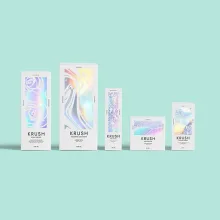
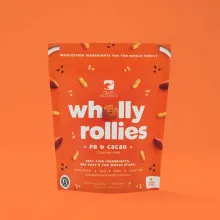
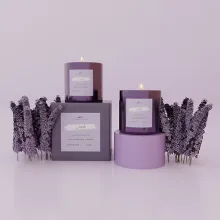
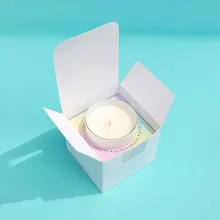



































A custom box request moves quickly when the brief describes the finished package, not just the product name. Send the packed product, inside length x width x depth, opening preference, board direction, print method, finish, quantity, destination, and artwork status. That gives the quote and dieline a real starting point.
The clock starts at proof approval. Before that point, the useful work is deciding the structure, checking clearances, and marking what the artwork must avoid.
What should I decide before requesting a custom box now?
Five decisions give the request enough detail to draw and price: fit, opening, board, print, and finish.
| Decision | What to provide | Why it changes the job |
|---|---|---|
| Product fit | Inside length x width x depth and finished height | Sets the usable box cavity |
| Opening | Tuck, lock, mailer, rigid lid, sleeve, or drawer | Changes the dieline and packing action |
| Board | SBS, kraft, corrugated, or rigid construction | Changes folds, stiffness, and surface |
| Offset CMYK, digital, or flexo direction | Connects artwork to the substrate | |
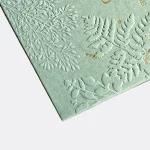
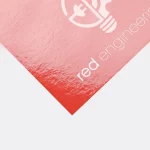
| Finish | Matte, gloss, soft-touch, spot UV, foil, or relief | Changes appearance and handling feel |
Which structure should I choose first?
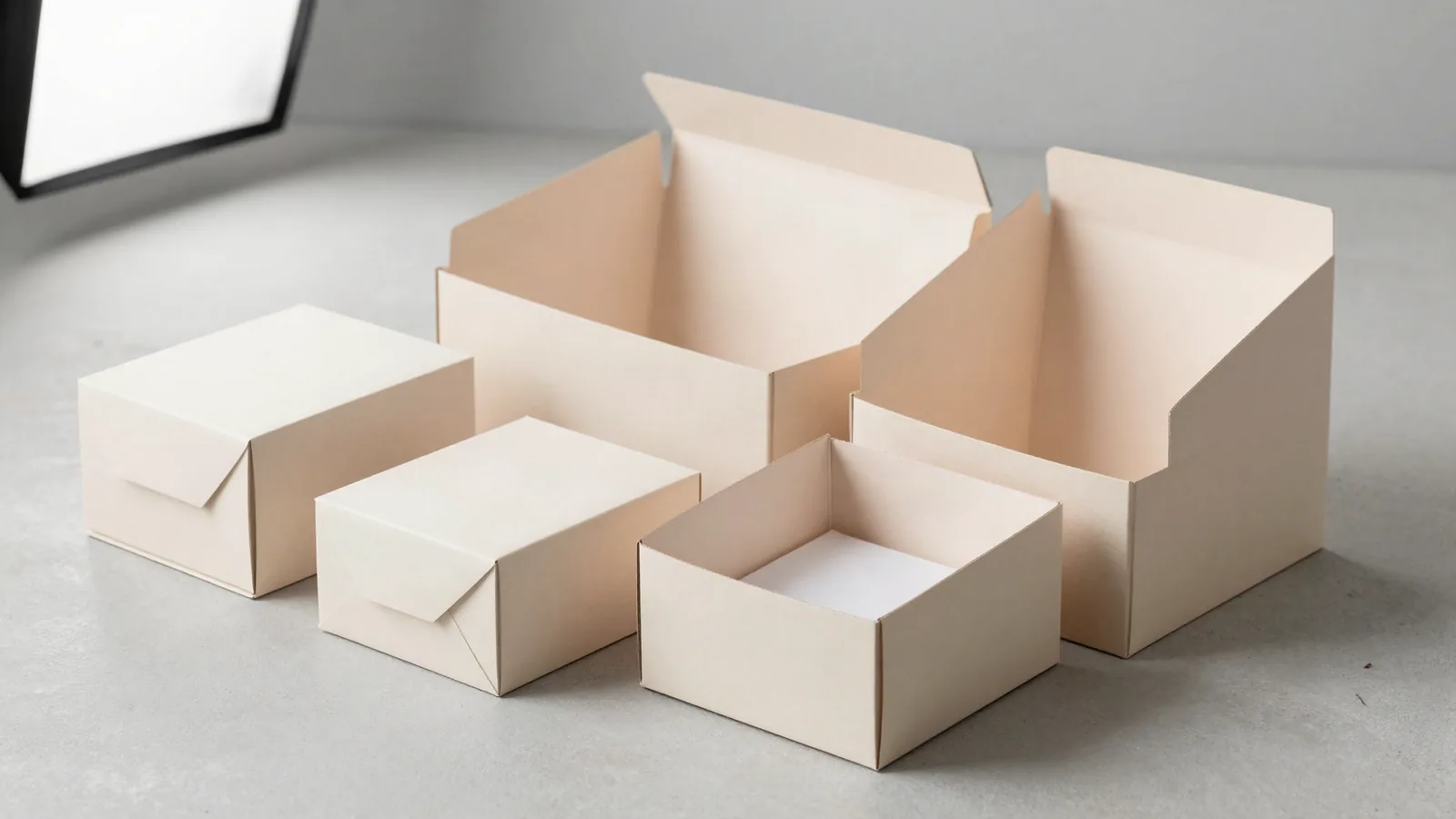
The opening action is the first useful choice: a straight tuck end or reverse tuck end suits many folding cartons, while an auto-lock bottom or crash-lock bottom changes how the filled box is assembled. A mailer, including the roll end tuck top format known as FEFCO 0427, fits a shipping-style presentation.
Two-piece rigid, magnetic flap, drawer, slide, sleeve, gable, and pillow structures each put the product into the hand differently. Pick the structure from the packing action and the way the package will be handled, then draw the artwork around the approved panel order.
- Choose a folding carton brief when printed panels and compact storage matter.
- Choose a mailer brief when the lid and parcel path are part of the package.
- Choose a rigid or drawer brief when a separate lid, tray, or sleeve controls the opening.
- Add an insert brief when the product needs fixed placement inside the box.
What should I include in the first message?
Inside measurements are the useful starting point, not the outside size of a similar box. Include the product name, final contents, quantity target, opening preference, board preference, artwork status, destination, and any insert or window. If a measurement is still being checked, label it before the dieline is drawn.
A common planning convention is about 1/16 in, or 1.5 mm, tolerance. The physical sample still decides whether the product clears the scores, insert, and closure. Mark the front panel, top panel, opening edge, glue area, and areas that must stay clear of artwork.
Which materials keep a quick quote accurate?
Material choice sets the working range for stiffness, folding, print surface, and finished form.
| Material | Typical industry reference | Useful tradeoff |
|---|---|---|
| SBS, C1S, or C2S paperboard | 12 to 24 pt | Clean printed folding panels with a defined crease and fold behavior |
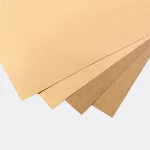
| Kraft board | 18 to 24 pt | Natural surface direction, with ink appearance checked on the brown board |
| Corrugated board | E, B, or C flutes, including 32 ECT references | Shipping-oriented construction with flute profile and board test considered together |
| Rigid chipboard | 1.5 to 3 mm with 100 to 157 gsm art paper wrap | Stiff presentation box construction with a separate wrap and assembled form |
When should I ask about digital print?
Digital print is commonly considered for short runs, changing artwork, or several versions with separate files. Offset CMYK is common for detailed folding-carton work, and flexo is common for corrugated. The print method must match the board, ink coverage, lamination, foil, embossing, debossing, and any window patching.
How do samples and proofs fit the decision?
The physical sample is where you check the product cavity, closure action, insert position, panel order, and surface feel. The digital proof is the approval record for artwork and structure before production. Check spelling, panel orientation, logo placement, finish notes, bleed, fold positions, and the relationship between outside panels and inside measurements.
Where can I compare real box formats?
Compare custom foam box inserts for fixed internal positioning, custom DNA test kit boxes for planned component layouts, wine box packaging for bottle-oriented structures, and shoe box packaging for a larger product footprint. CPL's custom packaging solutions page is the hub for turning those decisions into one quote brief.
Start with the product measurements and structure. CPL quotes to spec from a 100-unit minimum, with pricing from $0.49 per unit at volume, quoted to spec. Production typically takes 8 to 10 business days after proof approval, plus delivery. Free US shipping, free design support, and a free dieline are available. The $19.99 sample kit is credited toward the first order.
Frequently Asked Questions
What information helps a custom box quote start cleanly?
A custom box quote needs the product name, inside length x width x depth, quantity target, opening preference, board direction, artwork status, destination, and any insert or window. State which measurements are confirmed and which still need checking. The brief should describe the packed product, because the insert and closure change the usable cavity.
How do I choose between tuck, lock, mailer, and rigid structures?
A folding carton usually starts with a straight tuck end or reverse tuck end. An auto-lock or crash-lock bottom changes base assembly, while a mailer changes the opening and parcel presentation. Two-piece rigid, magnetic flap, drawer, slide, sleeve, gable, and pillow structures create different opening paths. Choose from the product fit and packing action.
When is digital printing worth discussing?
Digital printing is commonly considered for short runs, changing artwork, or separate artwork versions. Offset CMYK is common for detailed paperboard graphics, while flexo is common for corrugated packaging. The substrate, ink coverage, folds, finish, and artwork variation should be reviewed together before the print method is selected.
What can a physical sample reveal?
A physical custom box sample reveals product clearance, closure tension, insert position, panel order, fold behavior, and surface feel. Those checks can expose a dieline problem before production approval. Test the box with the real product and any insert, card, wrap, or protective material that will occupy the cavity.
What should I inspect on a digital proof?
A digital proof should be checked for spelling, panel orientation, logo placement, bleed, fold positions, glue areas, window location, finish notes, and the front-facing panel. Compare the proof with the intended product presentation and inside measurements. Approval should cover both the artwork and the structure shown in the file.