




































































What should a shrimp carton do?
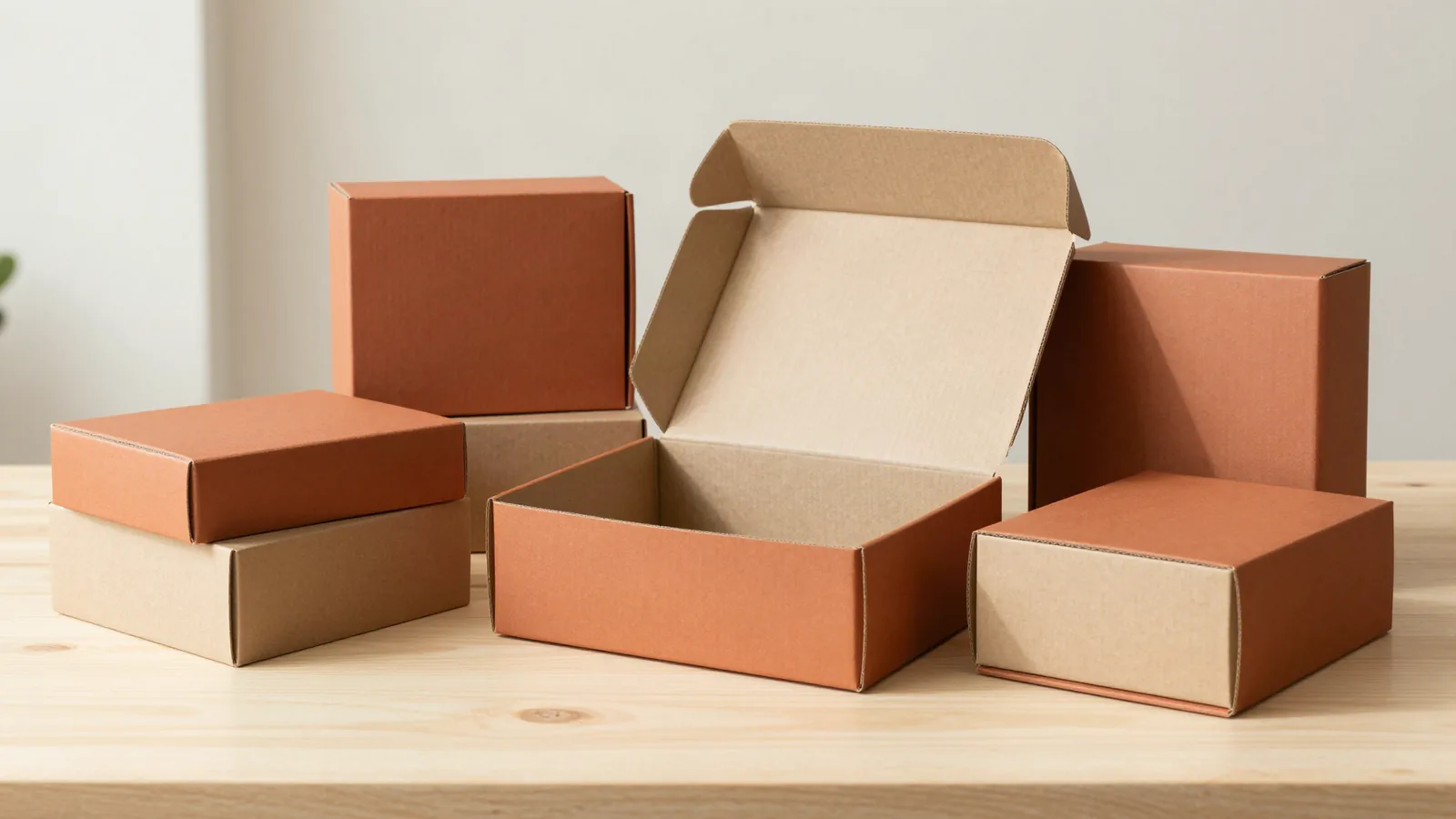
The packed role decides the construction: a folding carton surrounds a bag or tray, while a corrugated carton handles grouped units in transit. A shrimp carton can be retail packaging, a secondary carton, or an outer shipper. Those labels matter because board, closure, print coverage, and the amount of protection change with the job.
Measure the filled pack, not the loose shrimp. Record length x width x depth for the bag, tray, absorbent material, label, and loading clearance. A dieline is the flat cutting template used to print, cut, and fold the carton. A common packaging convention allows about 1/16 inch, or 1.5 mm, of fit tolerance. Check the final allowance against the board, folds, and converting method.
Which material works for a shrimp carton?
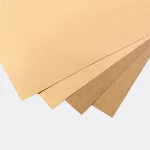
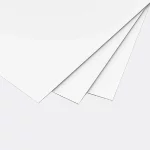
Retail folding cartons usually start with SBS or C1S paperboard in the 12 to 24 pt range. SBS is solid bleached sulfate board; C1S means one coated side, while C2S means two coated sides. C2S is useful when both faces need a finished appearance. For a shipping outer, corrugated E, B, or C flute changes the balance between profile, cushioning, and stacking. ECT means edge crush test, a board-strength designation; 32 ECT is a familiar reference.
| Pack role | Common material direction | What to check |
|---|---|---|
| Retail folding carton | SBS, C1S, or C2S paperboard, commonly 12 to 24 pt | Fit, print surface, closure |
| Outer shipping carton | Corrugated E, B, or C flute, with 32 ECT as a common convention | Stacking, cushioning, parcel handling |
| Flexible inner or liner | Mylar or foil laminate with PET, AL, and PE layers | Barrier needs and food-contact options |
A printed outer is not automatically the layer that touches the shrimp. Ask us about food-contact options for the intended pack, liner, barrier, filling process, and storage conditions.
Which closure fits the packed shrimp format?
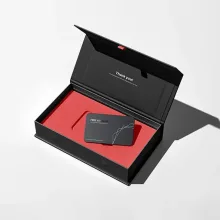
Straight tuck end and reverse tuck end are common retail closures. Auto-lock and crash-lock bottoms change setup and base support, while a mailer changes the opening action. Review the filled pack, not only a paper mockup, because loose clearance can turn into movement after the carton is loaded.
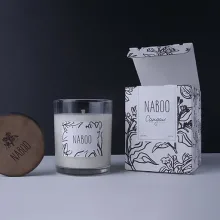
Keep glue tabs, scores, and seam clearances away from the panel carrying product information. Review custom shrimp boxes for a shrimp-specific format. Carton-style packaging is a construction reference, not a product-specific recommendation. The custom shrimp box catalog also gives a useful reference for panel shape and opening space.
What printing and finish choices fit this package?
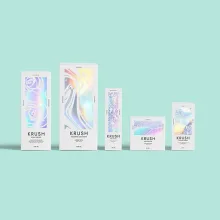
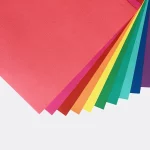
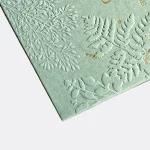
Offset CMYK suits detailed folding-carton artwork. Flexo is a common corrugated printing route, while digital print can suit short runs. Matte or gloss lamination changes sheen and surface protection. Soft-touch, spot UV, foil stamping, embossing, and debossing add localized surface effects, but folds, scores, glue zones, condensation, cold-chain handling, and scuffing need review on the proof.
How do I request a shrimp-carton quote?
A useful quote brief contains the filled-pack dimensions, weight, inner material, storage conditions, quantity, closure preference, artwork status, and delivery destination. We draw the dieline and send a digital proof before printing. The sample kit gives you a way to compare board and finishes, while custom packaging solutions covers broader format planning.
Quotes use a 100-unit minimum, with pricing from $0.49 per unit at volume, quoted to spec. Production is typically 8 to 10 business days after proof approval, plus delivery. Free US shipping, free design support, and a free dieline are included. The $19.99 sample kit is credited toward the first order. Ask us about food-contact options before approving the final structure.
Frequently Asked Questions
Does a shrimp carton touch the shrimp?
A shrimp carton may be a retail carton, secondary package, or outer shipper, so it may sit outside the layer that touches shrimp. Identify the bag, tray, liner, or vessel that contacts the product. Ask us about food-contact options for that intended construction before selecting board, coating, or closure.
What paperboard is common for retail shrimp cartons?
SBS and C1S paperboard in the commonly used 12 to 24 pt range are starting points for retail shrimp cartons. C2S board fits projects that need a finished appearance on both sides. Filled-pack weight, moisture exposure, print coverage, closure, and the role of the carton still determine the final specification.
When is corrugated board a better choice?
A folding carton suits retail presentation around a bag or tray, while corrugated E, B, or C flute is a common direction for an outer shipper. The 32 ECT designation is a familiar edge-crush reference. Compare stacking, cushioning, parcel handling, and the number of packed units before choosing the outer format.
What closure should a shrimp carton use?
Straight tuck end and reverse tuck end are common retail closures for a shrimp carton. Auto-lock and crash-lock bottoms change setup and base support, while a mailer changes the opening action. Test the actual filled pack so the closure, glue tabs, scores, and panel space work together.
What prepress checks matter before printing?
Low-resolution artwork, RGB colors converted for press, missing bleed, and type placed too close to a score can create avoidable production problems. Check the barcode at its intended size, keep important copy out of glue and fold areas, and use the digital proof to catch panel-order or seam errors before anything prints.