




























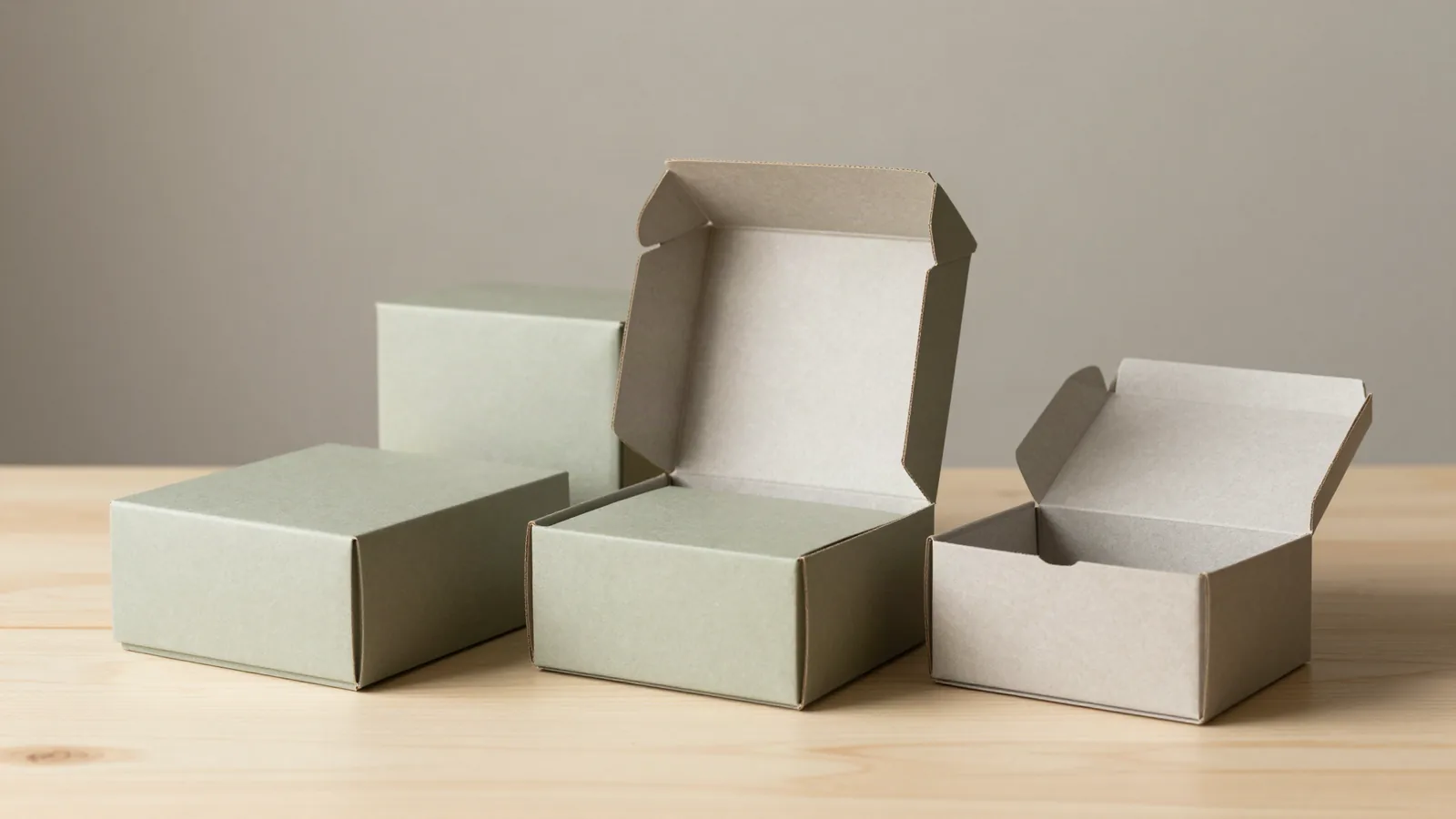




















































A Barbie box is a display package for a doll, themed product, or accessory set. The packout, the complete list and placement of items inside, should be written before the box is decorated. Note which face opens first, which product area stays visible, and where each accessory sits when the package is full.
What should a Barbie box show first?
A window only works when the product sits behind the intended viewing area. Map the main display panel before choosing decoration. Printed art can frame the visible area, while the package name supplied by the brand sits on a panel that remains readable at the finished size. Leave space around folds, seams, glue zones, and closure tabs. A dieline is the flat cutting template used to print and cut the box. If accessories sit beside the doll, draw their positions on the dieline so the box is not balanced when empty but crowded when loaded.
Which structure fits a doll or themed product presentation?
A folding carton keeps the package light, while a rigid box changes the opening into a lid-and-base reveal.
| Structure | Common use | Design check |
|---|---|---|
| Folding carton | Printed retail presentation with tuck panels | Panel order, closure, and product visibility |
| Rigid box | Substantial lid-and-base presentation | Lid clearance and opening reveal |
| Window carton | Printed package with a clear viewing area | Window edge, folds, and visible product position |
| Sleeve with insert | Outer graphic wrap around a supported packout | Sleeve alignment and insert removal |
A rigid box is a fixed-shape chipboard box with a separate lid or wrap, unlike a folding carton cut from a flat sheet. Straight tuck end and reverse tuck end are common folding-carton structures. An auto-lock bottom changes the setup motion, and a crash-lock base creates another closing sequence. A sleeve can keep the outer graphics simple when an inner tray controls positioning. Choose after the doll, accessories, and opening sequence are mapped together.
Which paperboard or rigid material should I compare?
Paperboard folds along scores; chipboard holds a fixed shape under a paper wrap. SBS means solid bleached sulfate, C1S is coated on one side, and C2S is coated on two sides. Typical industry references put SBS, C1S, or C2S around 12 to 24 pt for printed cartons. Kraft board around 18 to 24 pt creates a different surface direction. Rigid chipboard around 1.5 to 3 mm wrapped in 100 to 157 gsm art paper creates a more substantial presentation. Check the assembled lid, wrap, and product clearance in the sample.
How should I plan a window and accessory insert?
PET film around 0.2 to 0.3 mm covers the viewing cutout, but the insert still controls where the doll and accessories sit. PET means polyethylene terephthalate, a clear film used for window patching. Place the window after mapping the visible area, folds, seams, glue zones, and closure tabs. Custom foam box inserts can guide cavity layout and edge-clearance questions. A paperboard divider or tray needs the same fit check. Window, insert, and outer box should be checked as one package because each consumes interior space.
Which print and finish choices suit character-led artwork?
Offset CMYK uses cyan, magenta, yellow, and black to carry detailed character artwork, while digital printing fits short runs or changing versions. Matte or gloss lamination sets the base surface. Soft-touch changes the feel. Spot UV, foil stamping, embossing, and debossing can direct attention to selected art, but small type needs a finished-size check, especially where a window interrupts the printed panel.
Ask for a press check that looks at ink registration, solid coverage, barcode contrast, score placement, and the relationship between artwork and glue areas. Keep important art away from folds and seams. If the window cuts into the front panel, build the hierarchy around the visible product instead of filling every available area with copy.
Which product references can guide a Barbie box quote?
The closest starting point is the catalog page for custom Barbie doll boxes. Custom Barbie candy boxes can frame a smaller themed format and panel hierarchy. Shoe box packaging offers another lid, base, and product-reveal comparison. Chocolate tin boxes show how a decorated metal container changes the discussion from folds to a different shell and closure.
What should I check on the proof before approval?
Load the assembled box with every doll and accessory before you judge the artwork. State dimensions as inside length x width x depth, then compare lid clearance, insert movement, window position, panel order, logo area, artwork scale, closure, and opening direction. About 1/16 in, or 1.5 mm, is a common planning tolerance, subject to the approved specification. Keep product text supplied by the brand visible and legible. A proof is where you catch a barcode crossing a score or an insert cut to the exact product size that makes removal difficult.
Custom Packaging Lane works from a 100-unit minimum for a project-specific quote. Pricing is from $0.49 per unit at volume, quoted to spec. Production is typically 8 to 10 business days after proof approval, plus delivery. Free US shipping, free design support, and a free dieline are available. The $19.99 sample kit is credited to the first order. Use the custom boxes with logo hub when the loaded box and artwork brief are ready.
Frequently Asked Questions
Does a Barbie box need a window?
A Barbie box does not need a window if printed artwork can carry the product presentation. A window is useful when the doll or accessories need to be seen in the closed package. Map the visible area first, then place the cutout away from folds, glue zones, seams, and closure tabs.
What insert holds doll accessories in place?
A doll-box insert holds the product and accessories in planned cavities or compartments. Foam can create separate cavities with controlled edge clearance, while a paperboard tray or divider can organize a lighter packout. Load the actual items before approving the insert, because a cavity that is too exact can make removal awkward.
What is the difference between a folding carton and a rigid box?
A folding carton is cut and scored from paperboard, then folded into shape. A rigid box uses chipboard and a paper wrap, so the walls hold their shape and the opening usually uses a separate lid or base. Compare storage, lid clearance, insert depth, and the reveal you want when the package opens.
Which finish keeps small Barbie artwork readable?
Matte lamination reduces glare, while gloss lamination reflects more light and can make color look brighter. Soft-touch changes the surface feel. Spot UV, foil stamping, embossing, and debossing work best on selected areas, not over every small detail. Check fine type and barcode contrast at the finished package size.
How do I check a Barbie box proof?
Check a Barbie box proof with the actual doll and every accessory loaded. Confirm the inside length, width, and depth, then inspect window alignment, insert movement, lid clearance, panel order, logo scale, closure, and opening direction. Look for type over a score, a barcode crossing a fold, or an insert that grips too tightly.












