




























































What do stand-up pouch sizes mean?
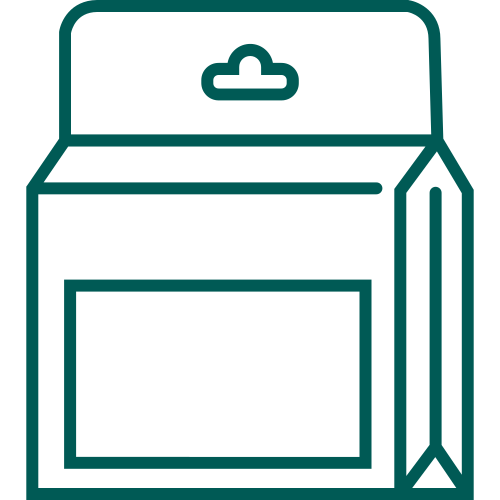
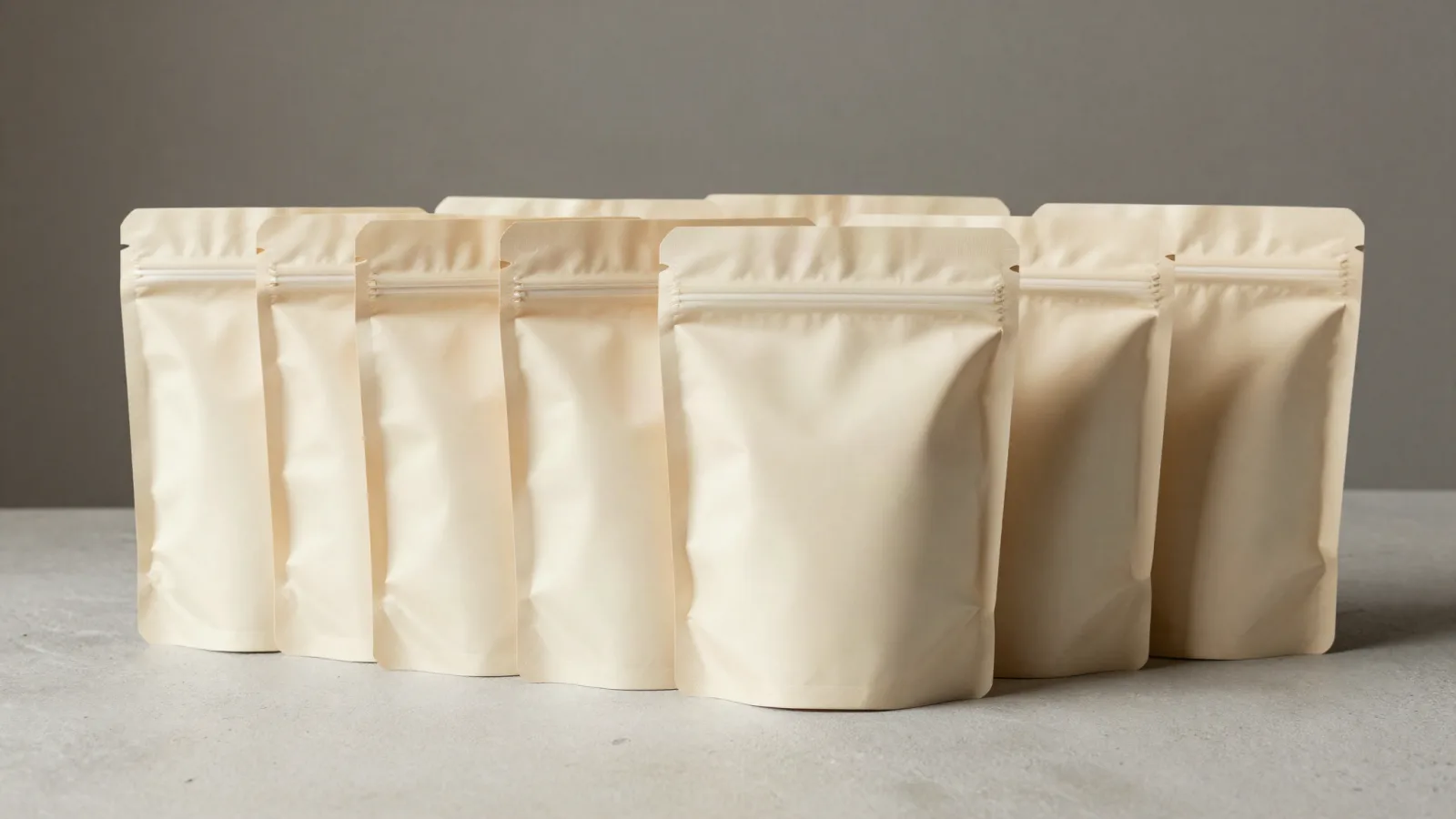
A stand-up pouch size is a planning label for a flexible package that stands on a bottom gusset, the folded base that lets the pouch stand upright. Headspace is the open room between the product and the top seal or closure. Product density, settled fill, gusset depth, zipper or spout placement, and seal area all change the usable space. Measure the packed product first, then use the size convention to start the dieline discussion.
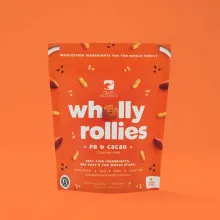
A kraft paper zipper pouch fits a zipper-led brief. A cosmetic spout pouch fits a package that dispenses through a spout. For dry goods, the granola pouch is a catalog reference. Each product page names a format, but its proportions still need to be checked against the actual fill.
Which stand-up pouch size should you start with?
Start with the pouch class that matches the product and opening method, then confirm the packed dimensions. The table pairs common planning uses with CPL product references and the checks that decide the final size.
| Planning convention | Typical use | CPL product reference | Check before approval |
|---|---|---|---|
| Compact flexible pouch | Small quantity or narrow shelf footprint | Kraft paper zipper pouch | Fill level, zipper position, gusset, opening clearance |
| Snack presentation pouch | Dry goods arranged for upright display | Granola pouch | Density, headspace, seal area, stand-up stability |
| Spouted refill pouch | Liquid or semi-liquid product | Cosmetic spout pouch | Spout position, cap clearance, fill path, handling angle |
| Flat-product pouch | Folded mask or similar flat item | Face mask pouch | Folded footprint, seal edge, opening method |
| Material-led presentation | Project where the substrate is central to the brief | Biodegradable spout pouch | Product fit, closure, artwork, material direction |
These labels organize the brief. They do not replace a filled sample or approved construction. A pouch that looks right when empty can lose stability after the product settles into the bottom gusset.
How do you measure a pouch before choosing a size?
Measure the product in its packed state, including any wrap, sleeve, or folded profile. Then record the fill level and the room needed above it. Dry contents settle differently from liquids, and both differ from a flat item such as a folded mask.
- Record product length, width, and packed depth.
- Note how dry contents settle and where the fill line should sit.
- Choose zipper, spout, or another closure before the top area is drawn.
- Mark the front, back, bottom gusset, seal, and available artwork panels.
- For food-contact use, ask us about food-contact options for your product.
A dieline is the flat cutting template used to print and cut the pouch. It needs the product footprint, closure position, seal zones, and bleed in the artwork. Low-resolution art can look soft in the proof, RGB art can shift when converted for press, and type placed too close to a score or seal can be clipped or hidden.
Which pouch material and closure details affect the fit?
The closure changes the top profile. A zipper needs a clean opening area, while a spout needs clearance for the fitment and cap. A kraft paper pouch gives the brief a paper-led appearance, while a spouted pouch uses a different opening and handling plan. If the requested material direction is biodegradable, review the biodegradable spout pouch format and confirm the actual product fit before artwork approval.
For a flat product, compare the face mask pouch reference. The folded product should sit inside the pouch without forcing the seal or leaving uncontrolled movement. The same rule applies to dry goods: the fill and settling behavior decide the pouch size, not the product name alone.
What does a stand-up pouch order cost and how long does it take?
CPL's MOQ is 100 units. Pricing is from $0.49 per unit at volume, quoted to spec. Production is typically 8 to 10 business days after proof approval, plus delivery. The clock starts after proof approval, not when the inquiry is sent. Free US shipping and free design support are available, and the sample kit is $19.99.
When the pouch class is clear, use custom packaging solutions to keep the product, closure, artwork, and delivery brief together. Send the packed product details first. That gives the dieline something real to fit.
Frequently Asked Questions
Is there one universal stand-up pouch size chart?
There is no universal stand-up pouch capacity for a size label. Product density, settled fill, headspace, gusset, closure, and spout placement change the usable space. A buyer should measure the packed product and confirm the opening before approving the dieline. Public size conventions are useful starting points, not final specifications.
Which stand-up pouch format works with a zipper?
A kraft paper zipper pouch is CPL's zipper-led catalog reference. The final pouch still depends on the product footprint, settled fill, top clearance, artwork area, and the number of openings the package needs. A zipper changes the usable opening, so confirm its position before the pouch size is approved.
Can CPL provide spouted stand-up pouch options?
CPL lists cosmetic spout pouch and biodegradable spout pouch formats for spouted packaging discussions. A spouted pouch needs a defined spout position, cap clearance, fill path, seal area, and handling angle. For food-contact use, ask us about food-contact options for your product before selecting the material direction.
What is the MOQ for stand-up pouches?
The MOQ for Custom Packaging Lane stand-up pouches is 100 units. Pricing is from $0.49 per unit at volume, quoted to spec. The quote should include the pouch class, closure, material direction, artwork, finish, and quantity so the size discussion stays tied to the finished package.
How long does stand-up pouch production take?
Stand-up pouch production at Custom Packaging Lane is typically 8 to 10 business days after proof approval, plus delivery. The production clock starts after the digital proof is approved. Free US shipping and free design support are available, and a $19.99 sample kit can be ordered before the final pouch direction is selected.