






































































The weight of a shoe box package depends on what you are weighing: the empty carton, the packed pair, or the complete shipment. Those are separate records. CPL's published shoe-type references give a practical starting point, while the final shipping weight depends on the shoe, board, insert, tissue, and outer shipper. Start with the closest row, then measure the packed configuration before freight is planned.
How much does a shoe box weigh?
A published shoe-box reference weighs 1.5 lb for men's sneakers, 1.2 lb for women's heels, and 0.9 lb for kids' shoes. These references are paired with listed dimensions, not a universal empty-carton specification. Use the row that resembles the packed pair for early shipping planning, then confirm the actual carton and contents on a scale.
| Shoe type | Reference dimensions | Guide weight | Planning use |
|---|---|---|---|
| Men's sneakers | 14 x 10 x 5 inches | 1.5 lb | Early shipping planning |
| Women's heels | 13 x 9 x 4.5 inches | 1.2 lb | Early shipping planning |
| Kids' shoes | 10 x 7 x 3.5 inches | 0.9 lb | Early shipping planning |
Is a shoe box weight the same as the shipping weight?
Shoe box weight and shipping weight are separate records. Shipping weight can include the shoes, tissue, inserts, labels, protective material, and outer shipper, while an empty carton includes only the box construction. The carrier also sees a different package when cartons ship flat instead of assembled.
For a usable freight record, weigh the completed packed configuration. Record the outside length, width, and height beside the scale reading. Dimensional and actual weight answer different shipping questions, so keep both in the quote request.
A master carton is the outer carton used to group individual shoe boxes. If units ship inside a master carton, record the number of packed boxes in that carton, the master-carton dimensions, and its scale weight separately. Do not multiply one unit weight and treat the result as the final outer shipment weight.
How does shoe box material affect weight?
Corrugated cardboard is a fluted paperboard structure with a liner on each side, kraft board is a paperboard direction, and rigid paperboard uses a thicker board structure that holds its shape. Each construction changes the carton weight, fold pattern, and assembly method. Material alone is not enough to predict the finished package.
Board caliper, flute profile, print coverage, lamination, and inserts add to the comparison. A foam insert, for example, changes both the empty package and the packed configuration because the insert occupies space inside the carton. Discuss the material and structure together, then confirm the finished sample or packed unit.
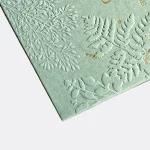
Matte or gloss lamination adds a surface layer over the printed board. Foil and spot UV change the surface treatment and the production conversation. When the shipping record matters, weigh the finished construction with its actual insert and closure instead of estimating from the paperboard name.
How do assembled and flat-packed cartons affect a shipment?
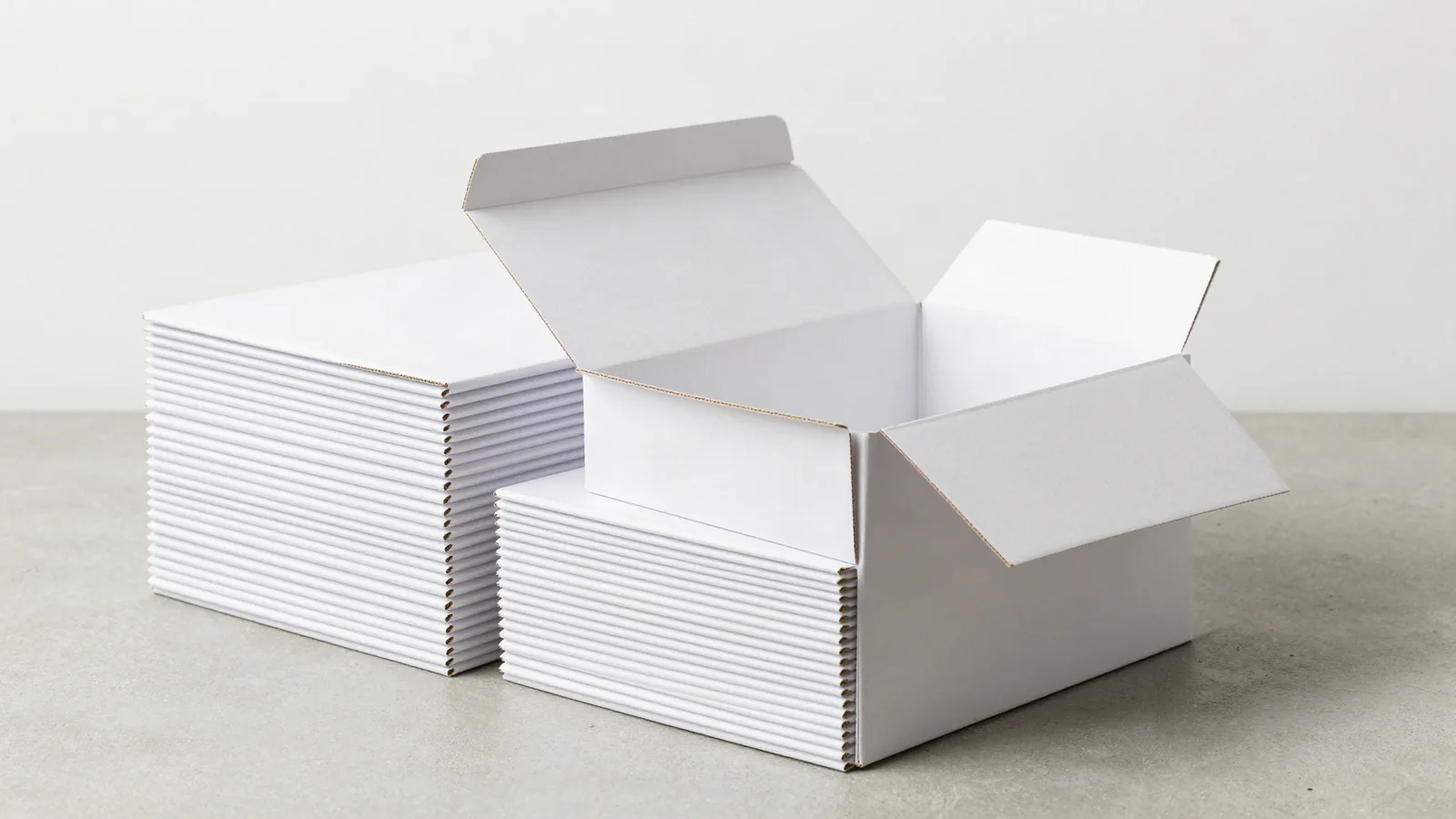
Assembled cartons take up more space before they reach the pack line, while flat-packed cartons use less outer shipping volume and need assembly before loading. The choice affects master-carton planning, pallet layout, and the dimensions a carrier sees.
State the shipping configuration in the quote. If boxes arrive flat, ask how they will be bundled and protected. If they arrive assembled, record the outer carton dimensions and pallet plan with the packed unit weight.
What should I measure before asking for a shoe box quote?
Measure the pair in the orientation used for packing: longest shoe direction, widest point, and height at the closure. Include tissue, an insert, or a label if it remains inside the box. Then state whether the cartons ship flat or assembled, because that changes the outer shipment profile.
- Finished shoe dimensions and pair orientation.
- Inside clearance for tissue or an insert.
- Material direction, closure, and finish.
- Assembled or flat-packed shipping configuration.
- Quantity, destination, and packed scale weight if available.
Which CPL products can help with the weight plan?
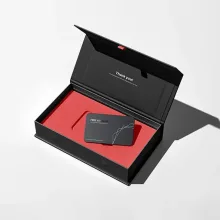
Shoe box packaging is the direct format for a branded footwear carton. If the pair needs controlled positioning, custom foam box inserts belong in the same weight discussion because the insert changes the packed unit. A wine box package and an embossed tin box can provide material comparison points, but they do not replace a shoe-specific structure review.
What commercial details should a shoe box request include?
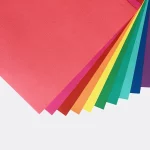
The MOQ is 100 units, and pricing is from $0.49 per unit at volume, quoted to spec. Production is typically 8 to 10 business days after proof approval, plus delivery. Free US shipping and free design support are available. The $19.99 sample kit gives you a physical way to compare materials and finishes before proof approval.
For the design step, use the custom packaging design service with the finished shoe dimensions and packed configuration. The production clock starts after proof approval, so send the dimensions and artwork early enough for the proof to answer the real fit question.
Frequently Asked Questions
How much does a shoe box weigh?
A shoe box package reference weighs 1.5 lb for men's sneakers, 1.2 lb for women's heels, and 0.9 lb for kids' shoes. The references pair those weights with listed package dimensions. The actual finished weight changes with the carton material, shoe pair, tissue, insert, and shipping configuration, so weigh the completed packed unit before final freight planning.
Is the weight of an empty shoe box the shipping weight?
The weight of an empty shoe box is not the same as complete shipping weight. Shipping weight can include the shoes, tissue, insert, labels, protective material, and outer shipper. An assembled shipment also differs from flat-packed cartons. Record the packed outside dimensions and scale weight for the configuration that will actually move through the carrier network.
Does shoe box material change the package weight?
Shoe box material changes package weight because corrugated cardboard, kraft board, and rigid paperboard use different structures and basis weights. Board thickness, flute profile, finish, closure, and inserts add to the total. Compare the material with the full structure instead of assigning one fixed weight to a material name.
How should I plan shipping weight for custom shoe boxes?
Plan custom shoe box shipping weight with the closest published shoe-type reference, then measure the actual pair and every item packed with it. Record the assembled or flat-packed configuration, outside dimensions, destination, and scale weight. That record gives the quote a real shipping basis instead of relying on an empty-carton assumption.
What commercial terms apply to custom shoe boxes?
Custom shoe boxes have a 100-unit MOQ and pricing from $0.49 per unit at volume, quoted to spec. Production is typically 8 to 10 business days after proof approval, plus delivery. Free US shipping and free design support are available, and the sample kit costs $19.99.