




























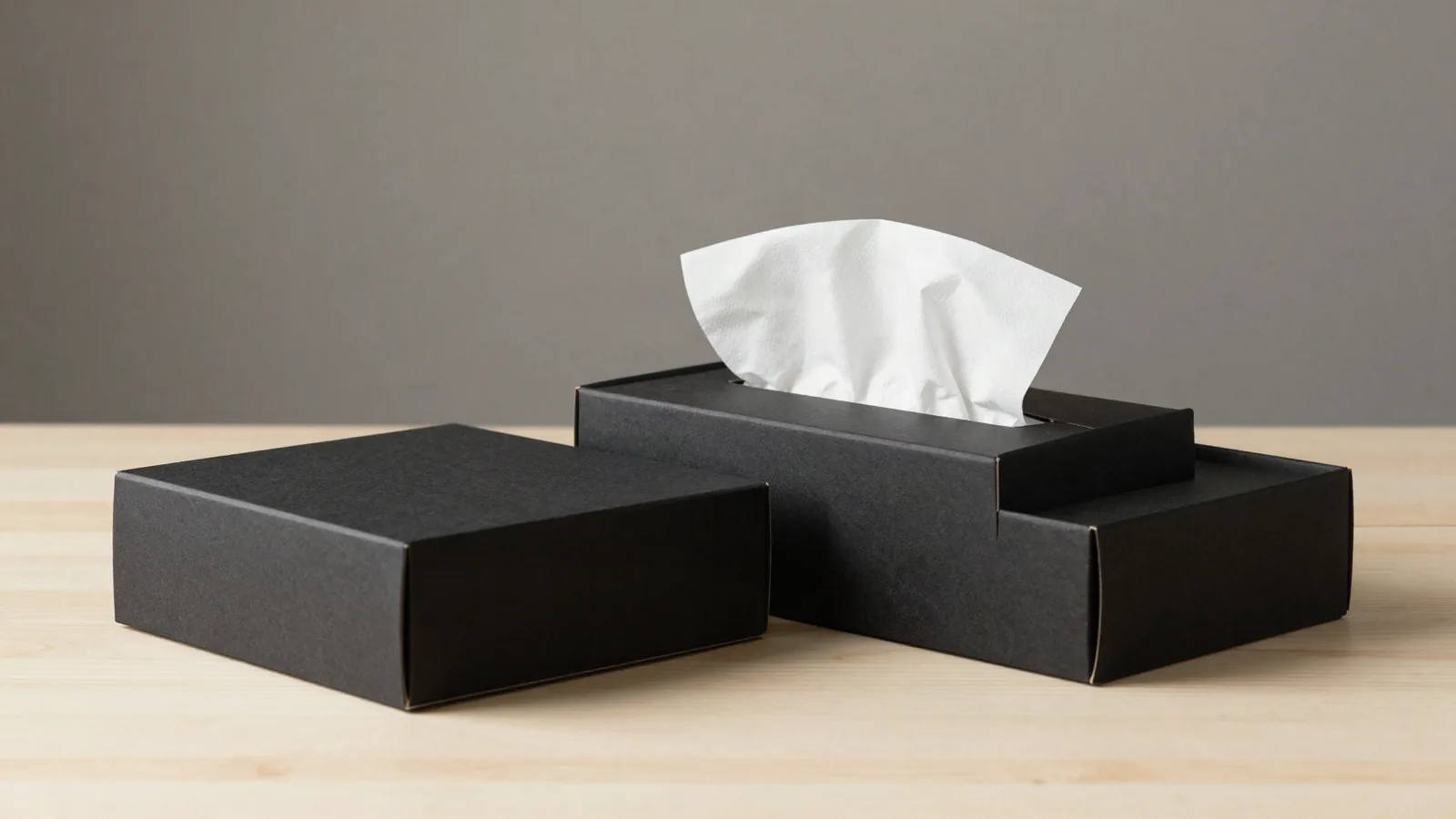




















































What is a Nike shoe box size in cm?
There is no one Nike shoe box size in cm for every retail package. Shoe model, product size, board thickness, closure, and packaging version can change the result. A useful metric record measures the actual product and box, then keeps interior and exterior values separate.
A measurement basis states where a dimension was taken, such as the usable inside cavity or the finished outside footprint. Record the basis beside every value in centimeters. That note prevents a designer from treating an outside measurement as available room for the footwear.
Which Nike shoe box measurements should be recorded in centimeters?
| Metric record | What to measure | Why it matters |
|---|---|---|
| Product length | Longest point of the packed footwear | Sets the interior length |
| Product width | Widest point, not only the sole label | Checks side clearance |
| Product height | Highest point of the upper and packed pair | Checks lid clearance |
| Interior box size | Usable inside length, width, and height | Accounts for tissue or an insert |
| Exterior box size | Finished outside length, width, and height | Plans storage and shipping space |
| Closure clearance | Room needed for lid, sleeve, or tuck construction | Checks that the box closes cleanly |
Write the measurements in one unit throughout the brief. If the source box was measured in inches, convert each value to centimeters before sending the record. Do not mix units in the same row, because a conversion error can move the entire dieline.
Why should Nike shoe box dimensions be checked inside and outside?
Inside dimensions answer whether the footwear fits. Outside dimensions answer how much room the closed package occupies. Board thickness, a sleeve, lid overlap, tissue, or a foam insert can change the usable interior even when the exterior measurement stays close to the reference.
Measure the specific retail box if it is your reference, but do not copy it into a production brief without checking the product. A custom shoe box is built around the actual pack out, opening direction, and chosen construction. Write the dimensions in centimeters and identify the box state for each one.
The same rule applies to the closure. A lid may need room to fold over a thick upper or an insert. A tuck panel may need clearance at the score. Those details belong beside the centimeter measurements, not in a separate note that can be missed.
How do I turn metric measurements into a custom shoe box brief?
Start with the footwear and describe how the pair sits inside the box. State whether tissue, a card, sleeve, or insert remains in the package. Then record the desired exterior footprint and closure direction. The brief should make clear whether each dimension is interior or exterior.
For the main format, review custom shoe box packaging. If the pair needs shaped support, see custom foam box inserts. Wine box packaging is a long-format reference, and embossed tin box packaging is a separate option for an accessory. These catalog pages help frame structures, but the metric brief must come from the actual product.
What should be checked before approving metric packaging?
Check the measurement basis, product position, closure, insert, and finished footprint together. The digital proof should show the intended opening direction and artwork placement. Low-resolution art, RGB files converted for press, type too close to a score, or missing bleed are easier to correct before production than after the run begins.
Free design support can organize the centimeter measurements into the dieline. CPL's MOQ is 100 units. Pricing is from $0.49 per unit at volume, quoted to spec. Production is typically 8 to 10 business days after proof approval, plus delivery. Free US shipping is available.
See custom packaging solutions for the project path, then review the $19.99 sample kit before approving the construction and metric fit.
Frequently Asked Questions
What are Nike shoe box dimensions in cm?
Nike shoe box dimensions in cm are not one universal set of measurements. The result changes with the shoe model, product size, box construction, closure, and packaging version. Measure the specific product or box, record interior and exterior length, width, and height separately, and label the measurement basis in the brief.
How do I measure a shoe box in centimeters?
To measure a shoe box in centimeters, record the usable inside length, width, and height first, then measure the finished outside footprint and closure clearance. Use one consistent orientation and mark each value as interior or exterior. Note whether the package contains the pair, tissue, a card, sleeve, or insert.
Can CPL make a custom shoe box from metric measurements?
Custom Packaging Lane can use metric measurements in a custom shoe box brief when the product position, opening style, insert plan, exterior footprint, and artwork are also described. Free design support is available, and a digital proof is approved before production. The dimensions should describe the actual pack out, not an assumed universal retail size.
What is CPL's minimum order for custom shoe boxes?
Custom Packaging Lane's minimum order for custom shoe boxes is 100 units. Pricing is from $0.49 per unit at volume, quoted to spec. Production is typically 8 to 10 business days after proof approval, plus delivery. Free US shipping and free design support are available.
Should I measure the retail box or the shoe?
Measure the shoe or packed pair for the fit reference, and measure the retail box separately for comparison. The footwear determines usable interior space. The retail box shows an existing opening and outside footprint. A custom shoe box brief should keep those two measurement records distinct.












