


























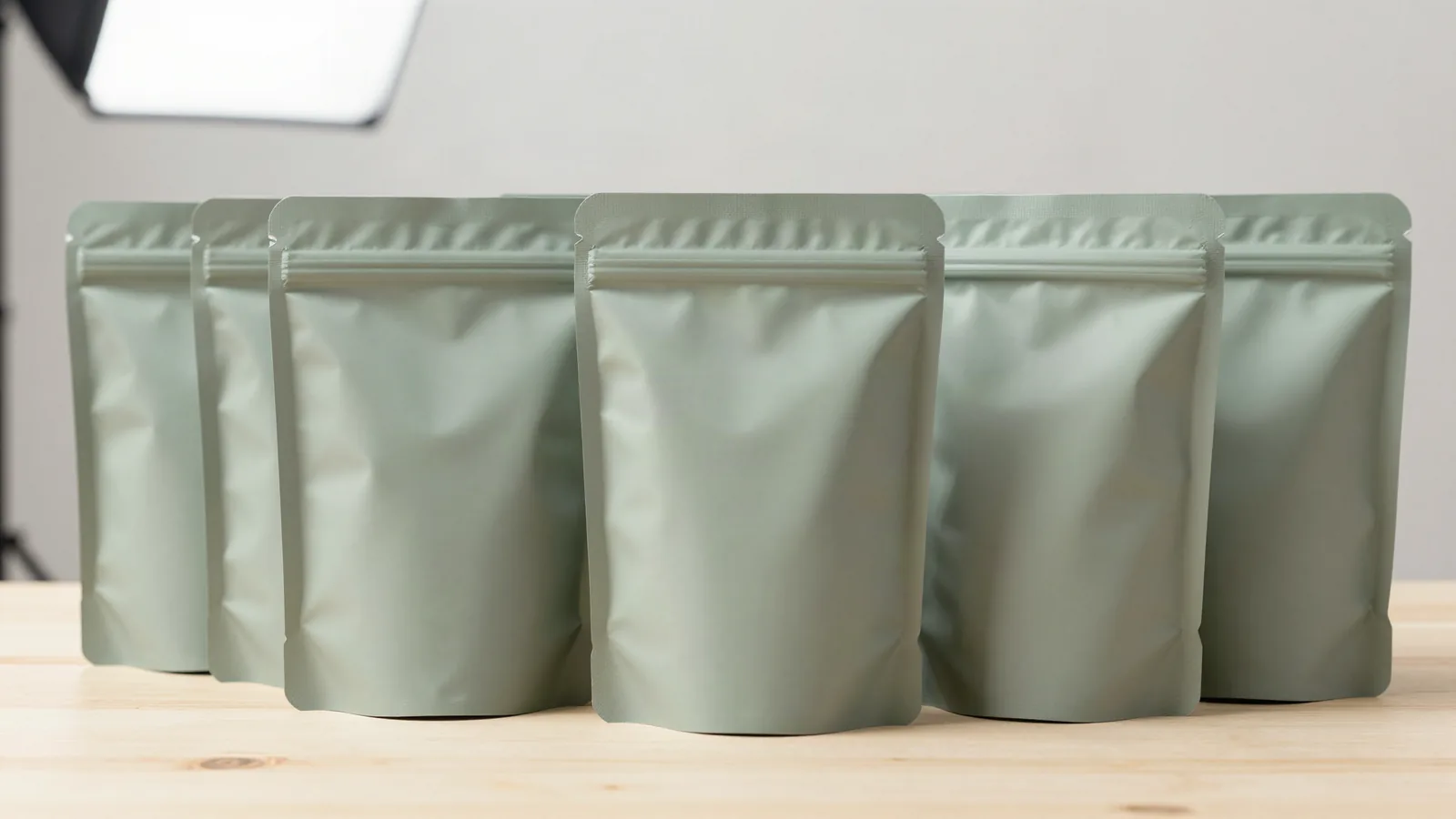



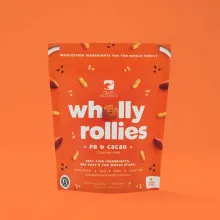





































A standing pouch is a flexible package with a bottom gusset that opens under the fill to create a base. A standing pouch supplier should review the product, fill method, dimensions, closure, seal area, laminate, artwork, and display position together. Start with the product form and fill quantity, then check whether the filled pouch stands evenly, leaves enough front-panel space, and fits the proposed shipping carton. The filled package is the thing to test, not just the flat film.
What should I ask a standing pouch supplier?
The right starting point is the product and filling method. Give the supplier the product form, target fill, filled dimensions, closure preference, barrier need, visibility requirement, artwork status, and shipping destination. A supplier can then review the bottom gusset, seal area, headspace, zipper or spout position, and usable print panel against the actual job.
Standing pouches commonly fall in a width range of about 3 to 7.5 inches, or roughly 7.6 to 19.1 cm. Treat that as a general market reference. Measure the filled product because density and shape change the way the pouch stands. Record whether it travels upright or flat, and label finished outside measurements separately from the usable artwork panel.
Which standing pouch format fits the product?
Opening behavior separates the main standing pouch choices. A zipper handles repeat access, a spout handles controlled dispensing, foil construction prioritizes barrier, and a window trades some artwork or barrier area for product visibility.
| Format | Useful design focus | Question to test |
|---|---|---|
| Zipper pouch | Repeat opening and closing | Can the user reseal it without disturbing the top seal? |
| Spout pouch | Controlled dispensing | Does the spout position suit pouring, squeezing, or dosing? |
| Foil pouch | Barrier-oriented construction | Which laminate layers suit the product and storage conditions? |
| Window pouch | Product visibility | Does the window leave enough artwork and seal area? |
For a resealable dry product, compare the kraft paper zipper pouch. For dispensing, inspect the cosmetic spout pouch or biodegradable spout pouch. These products show different opening systems, but the final construction must follow the product and filling process.
How do laminate layers affect the pouch?
Laminate selection follows the product, exposure, and seal method before it follows artwork color. PET, AL, and PE are common layers in flexible pouch laminates. PET can support the print surface and stiffness, AL can support opacity and barrier performance, and PE can support heat sealing. Mylar or foil can describe some laminate constructions, but appearance alone does not specify the layer order. Check seal conditions, puncture risk, light exposure, moisture sensitivity, oil contact, and storage environment before selecting the structure.
For a package that touches food, ask us about food-contact options for your product. A paper-look outer layer or printed flexible web can change the visual direction, while a clear window changes the artwork area and may change the barrier construction. Confirm whether the front panel needs a matte finish, high-gloss surface, metallic effect, or clear product view.
Which closure and finish details need testing?
Top clearance decides whether the closure works after filling. A zipper needs enough space to open without interfering with the seal. A tear notch should start cleanly without weakening the top of the pouch. A spouted pouch needs a practical cap and a clear fill path between the product level and sealing area. Hang holes, rounded corners, and bottom gussets each change the way the pouch is handled or displayed.
Digital printing is commonly considered for short runs. Offset CMYK is commonly used for compatible outer components, while matte or gloss lamination changes sheen. Soft-touch, spot UV, foil effects, embossing, debossing, and window patching are additional choices to check against readability, handling, and the selected construction. Window patching is a separate construction step when clear film is added to a paperboard component or compatible pouch design. Inspect ink coverage across the gusset, not only on the front panel.
How do I test a standing pouch before approval?
A flat film sample cannot show how the filled pouch will stand. Fill the pouch to the intended level and set it upright on a flat surface. Check whether the base opens evenly, the pouch leans, the seal wrinkles, or the closure becomes hard to use. Then lift, squeeze, open, reseal, and place the pouch into its proposed shipping carton. Inspect the top and bottom seals for wrinkles, channels, or product contamination.
- Measure the filled pouch with the bottom gusset open.
- Check front-panel readability after filling.
- Test the zipper or spout with the expected user motion.
- Use L x W x H / 139 as a US ground dimensional-weight planning convention for the filled outer pack.
How do I start a standing pouch quote?
The finished package should be clear before the quote moves forward. Send the product type, target fill quantity, dimensions, closure, barrier preference, artwork status, visibility requirement, finish, and shipping destination. The packaging sample kit can help compare flexible structures and finishes. For broader structure planning, see custom packaging solutions.
Custom Packaging Lane quotes standing pouches from a 100-unit minimum. Pricing is from $0.49 per unit at volume, quoted to spec. Production is typically 8 to 10 business days after proof approval, plus delivery. The quote includes free US shipping, free design support, and a free dieline. The $19.99 sample kit is credited toward the first order. Confirm the film, dimensions, closure, artwork, and intended use before production.
Frequently Asked Questions
What products can use a standing pouch?
A standing pouch can suit dry goods, powders, snacks, personal-care products, refill formats, and other products that need a resealable or dispensing opening. The construction depends on product texture, moisture or oil exposure, fill method, closure, and barrier needs. Review the filled pouch because the product changes how the base stands and how the opening works.
What is the difference between a zipper pouch and a spout pouch?
A zipper pouch is built for repeated opening and closing across the top. A spout pouch is built for controlled dispensing through a fitment and cap. Zippers suit products removed by hand or scoop, while spouts suit pourable or squeezable products. The product flow, user motion, and resealing requirement should decide between them.
Can a standing pouch include a window?
A standing pouch can include a window, but the clear area uses space that might otherwise carry artwork or barrier material. Check the window against the filled pouch, seal, gusset, and front-panel copy. For food-contact applications, ask us about food-contact options for your product before the material and construction are finalized.
What is a typical standing pouch width?
A typical standing pouch width is about 3 to 7.5 inches, or roughly 7.6 to 19.1 cm. That range is a general market reference. Measure the filled package upright and confirm the height, gusset, fill level, closure, front panel, seal area, and base stability before approving finished dimensions.
What information helps a pouch supplier quote accurately?
A pouch supplier quote needs the product type, target fill quantity, dimensions, closure, barrier preference, artwork status, shipping destination, and any window, spout, tear notch, hang hole, or finish requirement. Include a product sample or reliable dimensions when possible. The supplier can then review the structure against the actual filling and handling process.