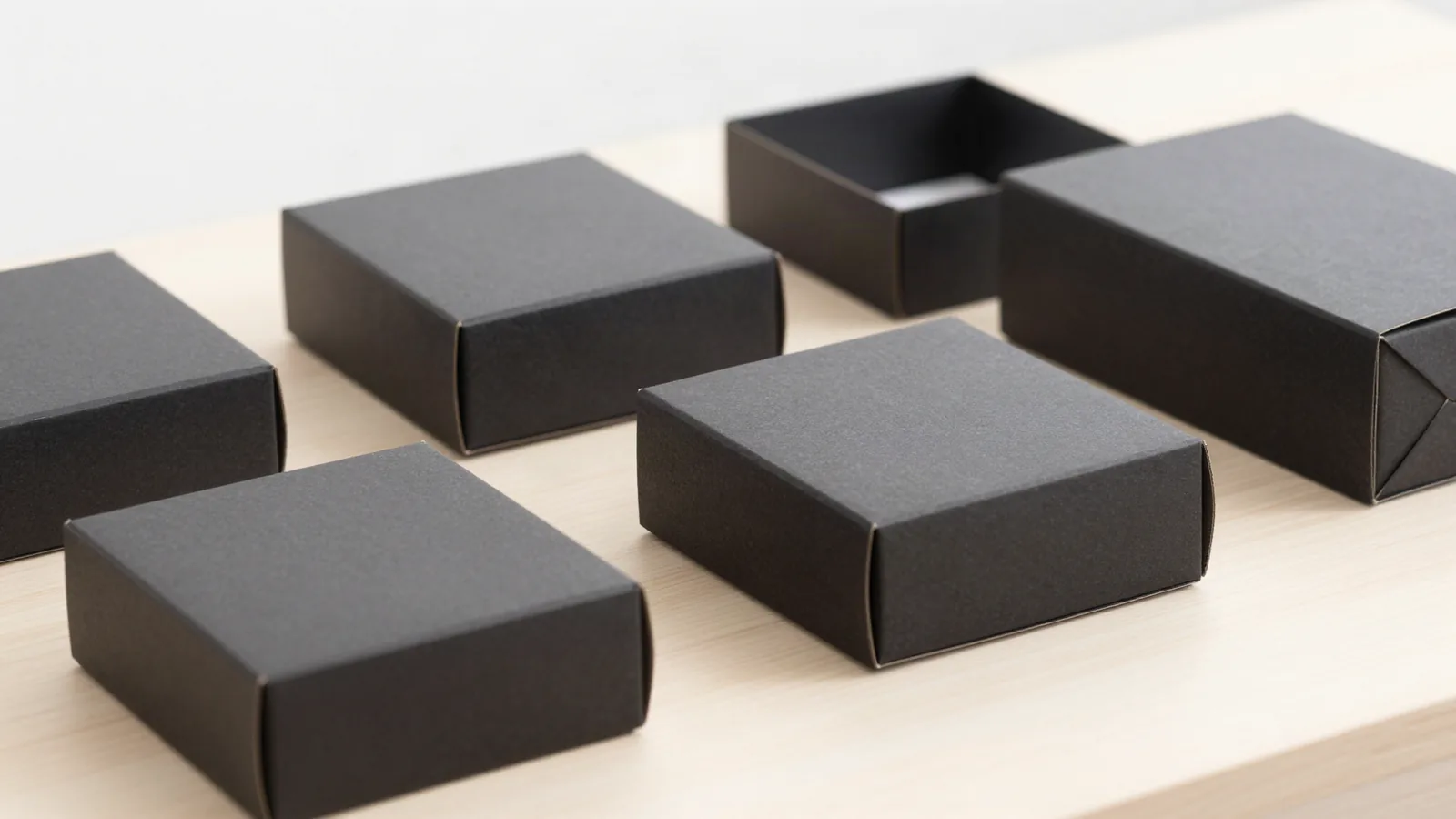



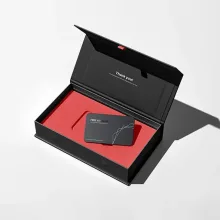
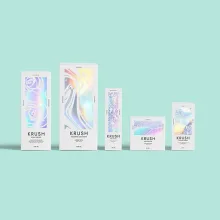
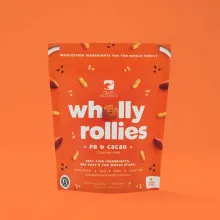
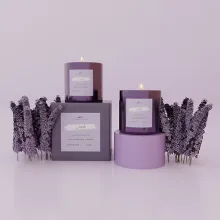
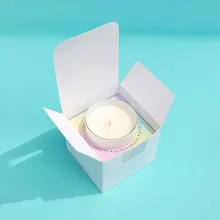
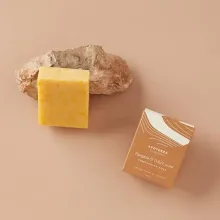





































Bustin boxes is a search phrase rather than a single standard box structure. For a quote, translate it into the product, opening, display, and handling job. The phrase might point to a window display box, a small product carton, a gift-style presentation, or a folding box with a distinctive opening. A sketch can explain a novelty concept, but the final structure still has to follow the item's actual dimensions, weight, and packed orientation.
What should bustin boxes mean for a packaging brief?
The phrase becomes useful after the product, opening direction, display requirement, and handling route are named. Identify the item first, then say how a buyer should see or access it. If the package needs a visible product area, mark the panel for a window. If it needs to ship or stack, provide the packed load and outside footprint. If it is a custom concept, include a sketch and describe the shape without leaving the product measurements vague.
Which materials work for different box directions?
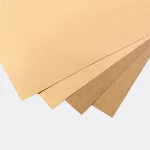
Paperboard handles printed folding cartons, kraft changes the base color of the exterior, PET creates a clear window patch, and rigid chipboard holds a fixed presentation shape. Folding cartons commonly use SBS, C1S, or C2S paperboard in the 12 to 24 pt range. Kraft board commonly falls in the 18 to 24 pt range. Rigid chipboard commonly ranges from 1.5 to 3 mm and can be wrapped in 100 to 157 gsm art paper. A clear PET window is commonly planned around 0.2 to 0.3 mm.
| Material or feature | Useful comparison | What to confirm |
|---|---|---|
| SBS, C1S, or C2S paperboard | Printed folding cartons and small product boxes | Caliper, fold behavior, color, and locking panels |
| Kraft board | Paper-led exterior for cartons or sleeves | How the kraft tone changes CMYK contrast |
| PET window patch | Display packaging with a clear viewing area | Location, patching method, and 0.2 to 0.3 mm material |
| Rigid chipboard with art paper | Two-piece or presentation-led packaging | Thickness, wrap direction, lid fit, and tray clearance |
Which structure should I compare first?
The product footprint, height, weight, and handling route should decide the first structure. A straight tuck end or reverse tuck end suits a simple folding carton. An auto-lock bottom or crash-lock construction changes base support. A sleeve, drawer, gable, or pillow format changes the opening and display motion, while a two-piece rigid box creates a separate base and lid.
| Product or display need | Structure to review | Decision point |
|---|---|---|
| Visible retail item | Window display box | Viewing area versus artwork and panel strength |
| Small pen or compact product | Straight tuck, reverse tuck, or auto-lock carton | Opening sequence, insert, and closure position |
| Gift or presentation item | Sleeve, drawer, or two-piece rigid format | Opening motion, lid clearance, and exterior finish |
| Small food-style product | Pillow, gable, or folding carton reference | Product fit, opening, and food-contact questions |
How can a window change the design?
A window reduces printed panel area by replacing part of it with a clear patch, so place it where viewing matters. PET window patching needs enough distance from folds, corners, glue zones, and locking panels. Keep the logo, product name, and required copy away from the viewing area unless the overlap is deliberate. Review the flat dieline and folded structure together. If the package touches a consumable product, ask us about food-contact options for your product.
What print and finish options fit the concept?
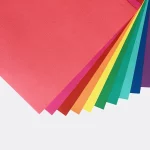
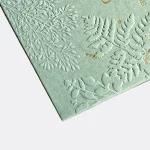
Offset CMYK is a common paperboard reference, while digital printing is commonly considered for short-run artwork checks or multiple versions. Matte or gloss lamination changes the surface appearance. Soft-touch changes the hand feel. Spot UV, foil stamping, embossing, and debossing can create contrast on exterior panels when the structure supports them. If the package includes a window, keep decorative finishes away from the clear patch unless the overlap is part of the artwork plan.
Which catalog products can help clarify bustin boxes?
Catalog pages can turn an undefined idea into a structure comparison. Compare window soap boxes when a visible product area is central. Window display boxes give another reference for panel balance and window placement. For a compact item, review and wallet boxes. If the concept is closer to a food-style carton, the waffle boxes page can frame the structure discussion. These are catalog references, not a substitute for product dimensions.
What should I send when requesting a quote?
A precise request names the item, filled measurements, box style, opening direction, display requirement, board direction, artwork status, finish preference, and ship-to location. Add a sketch if bustin boxes refers to a custom concept rather than a known structure. If the product needs a child-resistant feature, state that as a structural requirement and describe how the package should open and close. A digital proof should show the folds, scores, glue areas, bleed, window, and finish layers before the run moves ahead.
Custom Packaging Lane quotes bustin boxes to spec from a 100-unit minimum, with pricing from $0.49 per unit at volume. Production is typically 8 to 10 business days after proof approval, plus delivery. Free US shipping, free design support, and a free dieline are available. Order the $19.99 sample kit, credited to the first order, then use custom packaging for small business when the request is ready.
Frequently Asked Questions
What is bustin boxes?
Bustin boxes is a search phrase, not a universally defined packaging structure. A useful brief translates the phrase into a product, box style, opening direction, display requirement, material, and handling route. That information lets a supplier compare a window carton, tuck box, sleeve, drawer, pillow, gable, or rigid format against the actual item.
Can these boxes include a clear window?
A clear PET window can be integrated when the panel has enough room for patching and the structure keeps the patch away from folds, glue flaps, corners, and locking panels. A common PET window range is 0.2 to 0.3 mm. Confirm the window shape and location on the dieline, then review the folded package.
Which box style suits a small product?
A small product often begins with a straight tuck end, reverse tuck end, or auto-lock carton because the panel sequence and closure are easy to define. A sleeve or drawer can create a different opening motion. Compare the product footprint, height, insert requirement, closure position, and display goal before selecting the style.
Can a box include a child-resistant feature?
A child-resistant feature can be built into a package when the product requires a specific opening experience. Treat it as a structure and closure requirement, then describe how the user should open, close, and handle the box. Product dimensions, panel space, and the intended mechanism need review before the dieline is selected.
What makes a bustin box quote more accurate?
A useful quote request includes filled dimensions, box orientation, material direction, window need, opening style, artwork status, finish, quantity, and destination. Add a sketch or reference if the concept is unusual. Photographs can explain the visual idea, but measurements and handling requirements still control folds, clearance, and panel placement.