




























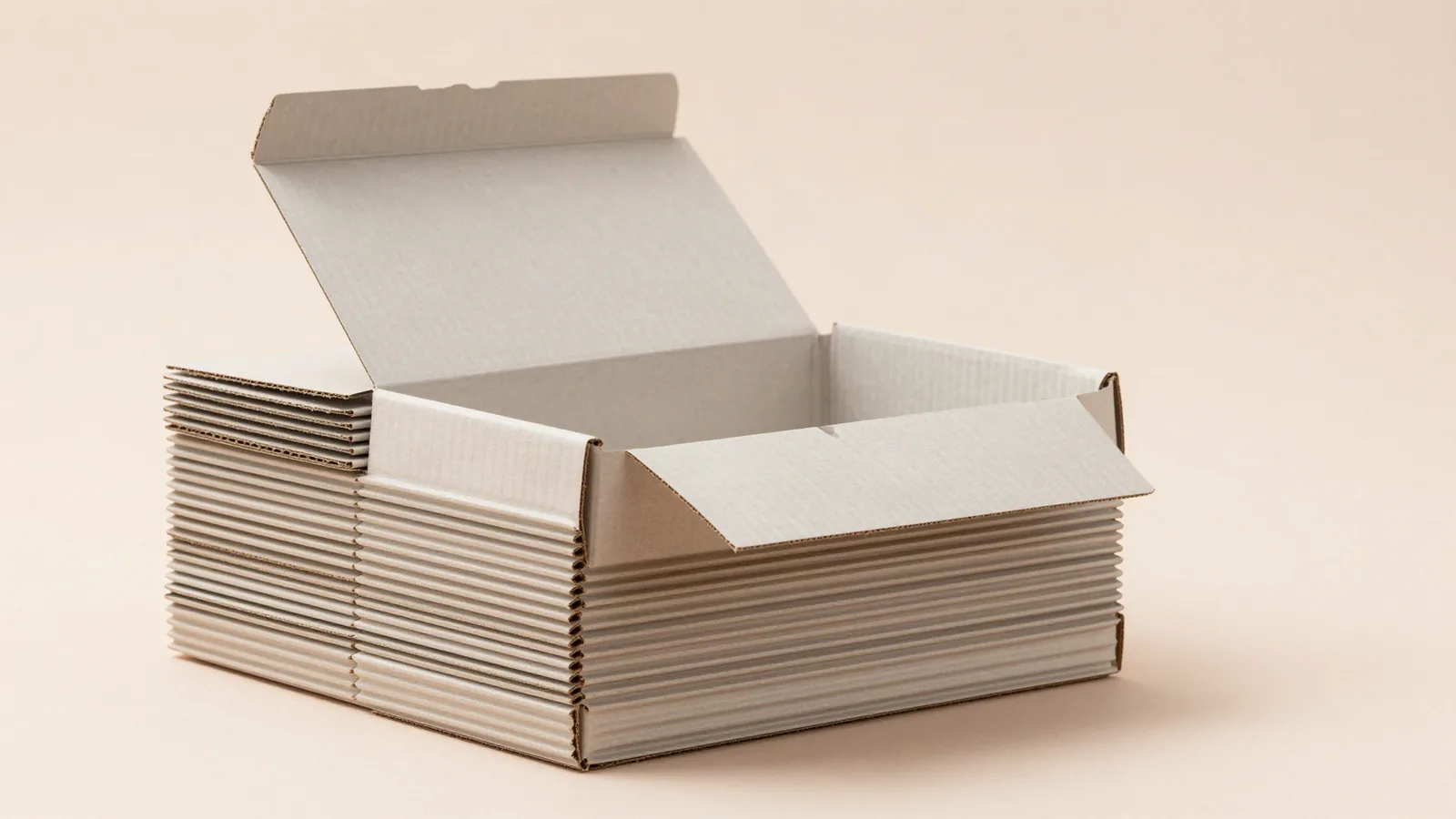




















































An airline approved fish shipping box is a route-specific packaging project, not a universal acceptance label. The carrier, destination, packed contents, temperature plan, and handoff points can change the instructions. Confirm the current carrier requirements before booking freight, then test the packed configuration with the actual inner containment, cushioning, labels, and closure.
What does airline approved mean for a fish shipping box?
Carrier acceptance depends on the actual shipment, including whether the contents are live fish, chilled product, or frozen product. Those conditions can require different containment, moisture control, insulation, cushioning, labels, and orientation. The outer carton should leave clear space for handling marks without placing them across a closure or seam.
Keep the carrier conversation tied to a documented pack-out. Record the inner container, outer carton, packed weight, dimensions, route, temperature plan, and label positions. If the route or contents change, recheck the instructions before reusing the same carton.
Which layers should a fish shipping box contain?
Containment comes first. The inner container holds the fish, water, or product load, while an absorbent or moisture-control layer manages incidental condensation or leakage. Cushioning limits movement, insulation supports the selected temperature plan, and the corrugated carton forms the outer shell. Each layer has a separate job, so the outer box should not be expected to contain liquid by itself.
| Pack layer | Common purpose | Planning question |
|---|---|---|
| Inner containment | Holds the packed fish and liquid or product load | How will it close and stay upright? |
| Moisture control | Manages incidental condensation or leakage | Where can moisture travel inside the outer pack? |
| Cushioning or insert | Limits shifting during handling | Which surfaces need separation? |
| Corrugated outer carton | Provides structure, print area, and stacking shell | Which flute and closure suit the route? |
The packed profile should drive the insert. A custom foam insert can create repeatable spaces around a shaped container, while die-cut paperboard can suit a simpler separation plan with less material. Draw the highest, widest, and most exposed points before setting the cavity.
Which corrugated structure should I specify?
Flute choice changes the board profile, print surface, cushioning, and available stacking space. E flute is thinner and supports finer printed detail. B flute adds board depth for general transit packaging. C flute is thicker and is often considered when cushioning and stacking space matter more. 32 ECT is a common corrugated strength convention, but packed weight, moisture exposure, and stacking pattern still need review.
A standard folding shipping box suits a straightforward pack-out. A roll end tuck top mailer, commonly referenced as FEFCO 0427, integrates the opening and closing sequence into the carton. A crash-lock or auto-lock bottom changes setup at the packing bench. Compare fish boxes, custom shipping boxes, and custom folding shipping boxes against the packed sequence.
How should I plan inserts and cushioning?
Insert geometry should follow the filled inner container, not a catalog name. Foam can hold a shaped component in a repeatable cavity. Die-cut paperboard can separate simpler forms with a lighter flat-pack profile. Leave room for closure movement, label visibility, handholds, and any moisture-control layer.
Box dimensions are written as length x width x depth. Use inside measurements for the container, insert, and clearance, then record outside measurements for freight planning. About 1/16 inch, or 1.5 mm, is a common tolerance convention for fit planning. A physical sample should test closure, insert, orientation, and packed movement together. Review custom foam box inserts when the pack has a defined cavity or several components to separate.
How can dimensions affect freight planning?
For US ground service, dimensional weight commonly uses length x width x height divided by 139. That formula is a ground planning reference, not a promise about an air carrier's rating. Record the packed weight, outer dimensions, destination, and any ground leg after air transport before comparing freight options.
Compact packing still needs enough clearance for loading and moisture control. A pack-out diagram shows the order of containment, insulation, cushioning, labels, and closure. It also gives the carrier a concrete configuration to review instead of a box name alone.
How do I request a fish shipping box quote?
A useful request includes the fish type or product condition, filled inner dimensions, containment format, temperature plan, label zones, route, outer carton preference, packed weight, and delivery location. The dieline can then reflect the actual pack sequence. Start with custom packaging solutions when the outer carton and insert need to be scoped together.
Order the $19.99 sample kit, credited to the first order, to compare board and insert directions before final artwork. Custom Packaging Lane quotes to spec from a 100-unit minimum, with pricing from $0.49 per unit at volume. Production is typically 8 to 10 business days after proof approval, plus delivery. Free US shipping and free design support include a free dieline.
Frequently Asked Questions
Does airline approved mean every airline accepts the same box?
No, airline acceptance is specific to the carrier, route, destination, packed contents, temperature plan, and handoff points. A fish shipping box should be reviewed against the current instructions for the actual shipment. Keep the confirmed inner containment, labels, closure, packed dimensions, and outer carton configuration consistent with that review.
What layers belong inside a fish shipping box?
A fish shipping box commonly separates inner containment, moisture control, cushioning, insulation when temperature requires it, and the corrugated outer carton. The inner container holds the fish or liquid load, moisture control manages incidental wetness, cushioning limits movement, and the outer carton supplies structure. Each layer needs a defined job.
How are fish shipping box dimensions written?
Fish shipping box dimensions are conventionally written as length by width by depth. Inside measurements describe the container, insert, and clearance, while outside measurements support freight planning. About 1/16 inch, or 1.5 mm, is a common tolerance convention. The assembled sample decides whether the packed components actually fit and stay oriented.
Should I choose E, B, or C flute?
E flute is thinner and supports finer printed detail, B flute adds board depth for general transit packaging, and C flute is often considered for more cushioning and stacking space. The selection also depends on packed weight, moisture exposure, outer dimensions, and handling route. 32 ECT is a common planning convention, not the only input.
Why use a foam insert in a fish shipping box?
A foam insert creates a repeatable cavity around a shaped inner container or related components and can reduce shifting inside the outer carton. Foam works best when the filled profile is known. Die-cut paperboard is another option for simpler separation. Compare cavity shape, moisture exposure, pack-out method, storage, and material use.












