





















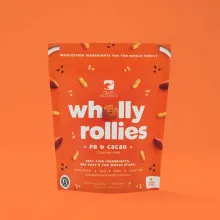
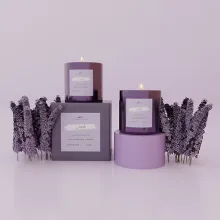
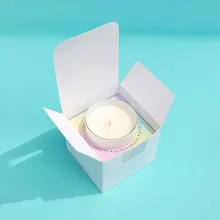
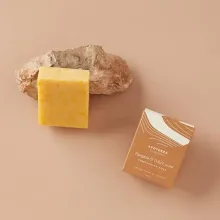


































Shapes for beauty packaging should begin with the product, not a silhouette found in a mood board. A dieline is the flat cutting template used to print, cut, and fold a package. Draw it from the bottle, jar, tube, compact, bar, kit, or set, including packed orientation and clearance for removal.
The practical first choice is whether an established dieline can carry the product or whether the shape needs custom tooling. That decision affects the outer contour, insert, artwork panels, assembly, and quote. A distinctive shape can work, but the structure has to survive the same fit and proof checks as a standard carton.
Which beauty packaging shape fits the product?
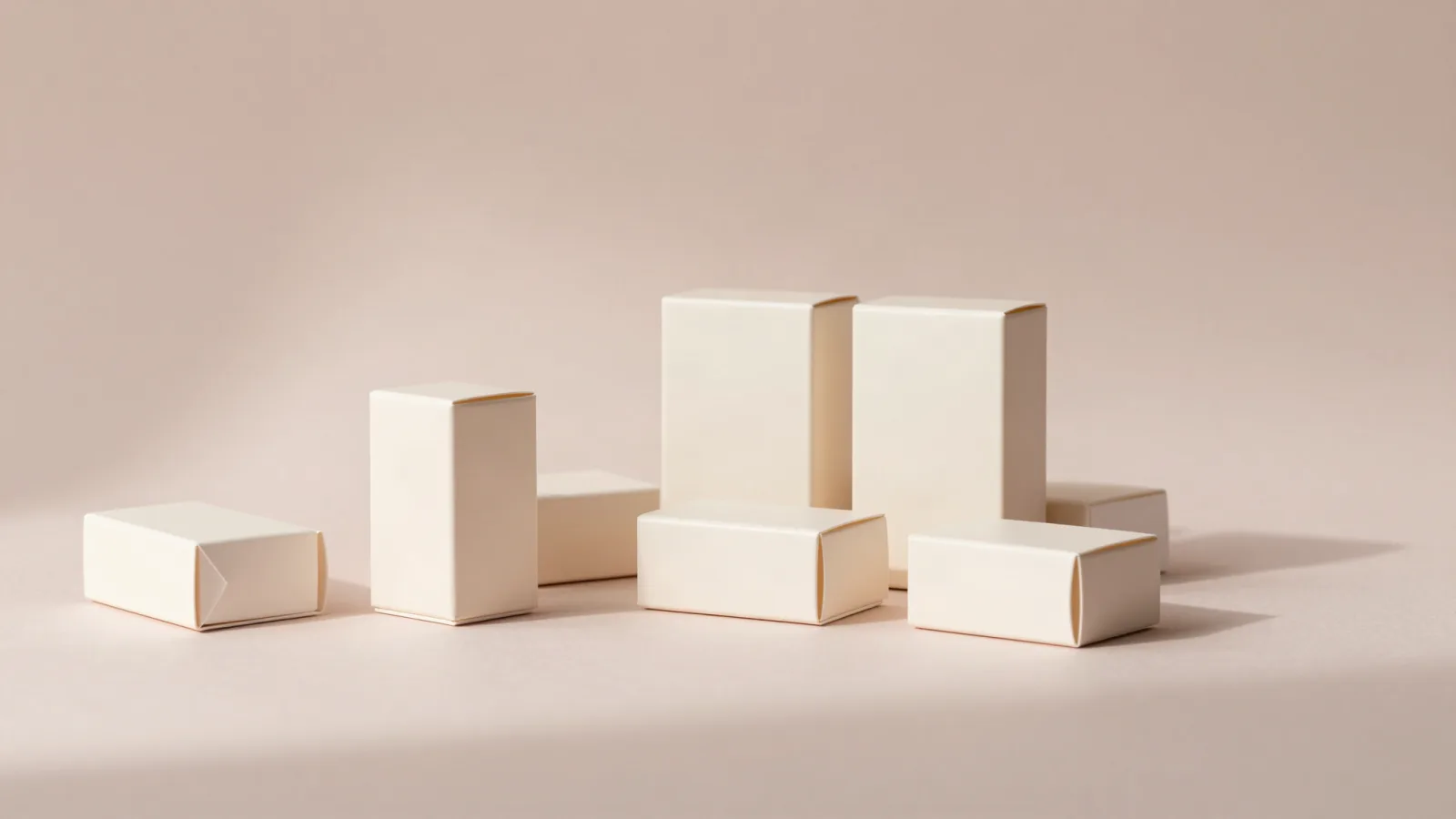
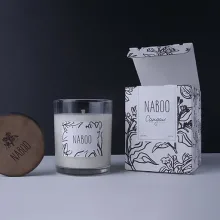
The right beauty packaging shape gives the product enough clearance, leaves the right panels visible, and matches the intended display or gift presentation. Compare the main shape families before choosing a novelty contour.
| Shape family | Common packaging use | Question for the quote |
|---|---|---|
| Rectangular carton | Efficient panel layout for a bottle, tube, or product family | Which panels need the brand, product name, and information? |
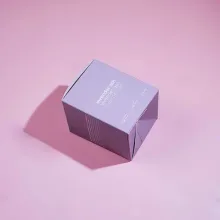
| Square carton | Balanced presentation for a compact product or set | How should the product sit and face on display? |
| Curved or round contour | Softer silhouette for a distinctive shelf or gift direction | Can an established dieline carry it, or is custom tooling needed? |
| Novelty silhouette | Campaign-led package built around a specific outline | What changes follow for the insert, artwork, and assembly? |
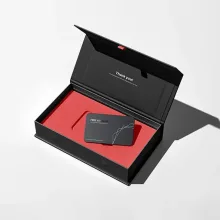
| Rigid book-style box | Presentation-led format for a set or launch | Should the lid and inner panel carry separate messages? |
Rectangular and square routes are usually easier to compare because their panels, folds, and artwork areas are straightforward to map. Curved and novelty routes need a closer look at cutting, folding, support, and insert fit.
What is the difference between an established dieline and custom tooling?
An established dieline uses a known cutting and folding route that can be adapted to the product and artwork. Custom tooling is the cutting, forming, or support work required when the requested contour falls outside that route. The 100-unit MOQ does not make every shape interchangeable. Ask for the standard route and any custom tooling item as separate parts of the quote.
Custom tooling can change the shape of the outer package, the insert, or both. It can also change the order of assembly and the amount of usable printed surface. Those effects belong in the proof review, not in a later production assumption.
How should the beauty product determine the package shape?
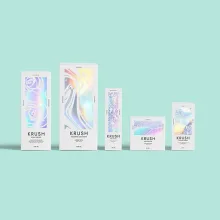
A bottle needs different clearance from a jar, tube, compact, bar, or multi-piece set. Record the product dimensions, packed orientation, closure position, and the space needed for the customer to remove it. If a collection contains several product sizes, decide whether one structural family can accommodate the variations without leaving excessive empty space.
Use wax packaging as a catalog reference for square, rectangular, round, and custom shape directions. Private label packaging can frame artwork, material, and finish questions, while perforated packaging is a useful reference when die cuts, access, or an interior separation are part of the brief.
How do inserts and finishes change a shaped beauty box?
An insert can follow the outer contour, create a contrasting product bed, or hold several components in a fixed arrangement. It should leave enough clearance for removal and enough support to limit movement. If the insert is visible, its material and finish belong in the same proof as the lid, outer walls, and artwork.
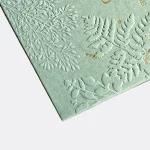
Foil, embossing, debossing, matte, gloss, and soft-touch treatment all change how the panels read after folding. Keep type and important marks away from scores and glue tabs. Check bleed, color conversion, and the finish map on the digital proof before production.
What should a beauty shape and tooling quote include?
A useful quote includes the product dimensions, packed orientation, clearance, outer contour, insert, closure, assembly sequence, material, finish, artwork panels, quantity, destination, proof status, and any custom tooling item.
- Product dimensions and packed orientation.
- Established dieline or custom tooling route.
- Outer shape, insert contour, closure, and assembly sequence.
- Artwork panels, material, finish, and die-cut details.
- Quantity, destination, proof status, and delivery expectations.
Custom Packaging Lane has a 100-unit MOQ. Pricing is from $0.49 per unit at volume, quoted to spec. Production is typically 8 to 10 business days after proof approval, plus delivery. Free design support means we can draw the dieline from your product information and send a digital proof before anything prints. Free US shipping is available.
Order the $19.99 sample kit when the shape or material needs physical review. Use custom packaging design support to keep the dieline, insert, and artwork aligned.
Frequently Asked Questions
What are common shapes for beauty packaging?
Common shapes for beauty packaging include rectangular and square cartons, curved or round contours, novelty silhouettes, and rigid book-style boxes. The choice depends on product dimensions, clearance, display position, insert, artwork area, and assembly route. Start with the product, then ask whether an established dieline or custom tooling fits the requested shape.
Can cosmetic packaging use a custom silhouette?
Cosmetic packaging can use a custom silhouette when the contour, product fit, insert, artwork, and assembly are reviewed together. Custom tooling may be needed outside an established dieline. The quote should identify the tooling route separately, and the digital proof should show the assembled shape before production.
Does a 100-unit MOQ apply to every beauty packaging shape?
The MOQ for beauty packaging is 100 units, but the MOQ does not make every shape interchangeable. Rectangular, square, curved, novelty, and rigid forms can have different dieline, tooling, insert, material, and finish requirements. Ask Custom Packaging Lane to separate the established route from any custom tooling in the quote.
How do inserts affect a shaped beauty box?
An insert affects the usable interior space, product clearance, lid fit, and customer access of a shaped beauty box. It can follow the outer contour, create a product bed, or separate several components. Include the insert material, contour, and finish in the same digital proof as the outer package.
What are the order terms for shaped beauty packaging?
Shaped beauty packaging has a 100-unit MOQ, pricing from $0.49 per unit at volume, quoted to spec, and production typically 8 to 10 business days after proof approval, plus delivery. Free design support, free US shipping, and a $19.99 sample kit are available.