
























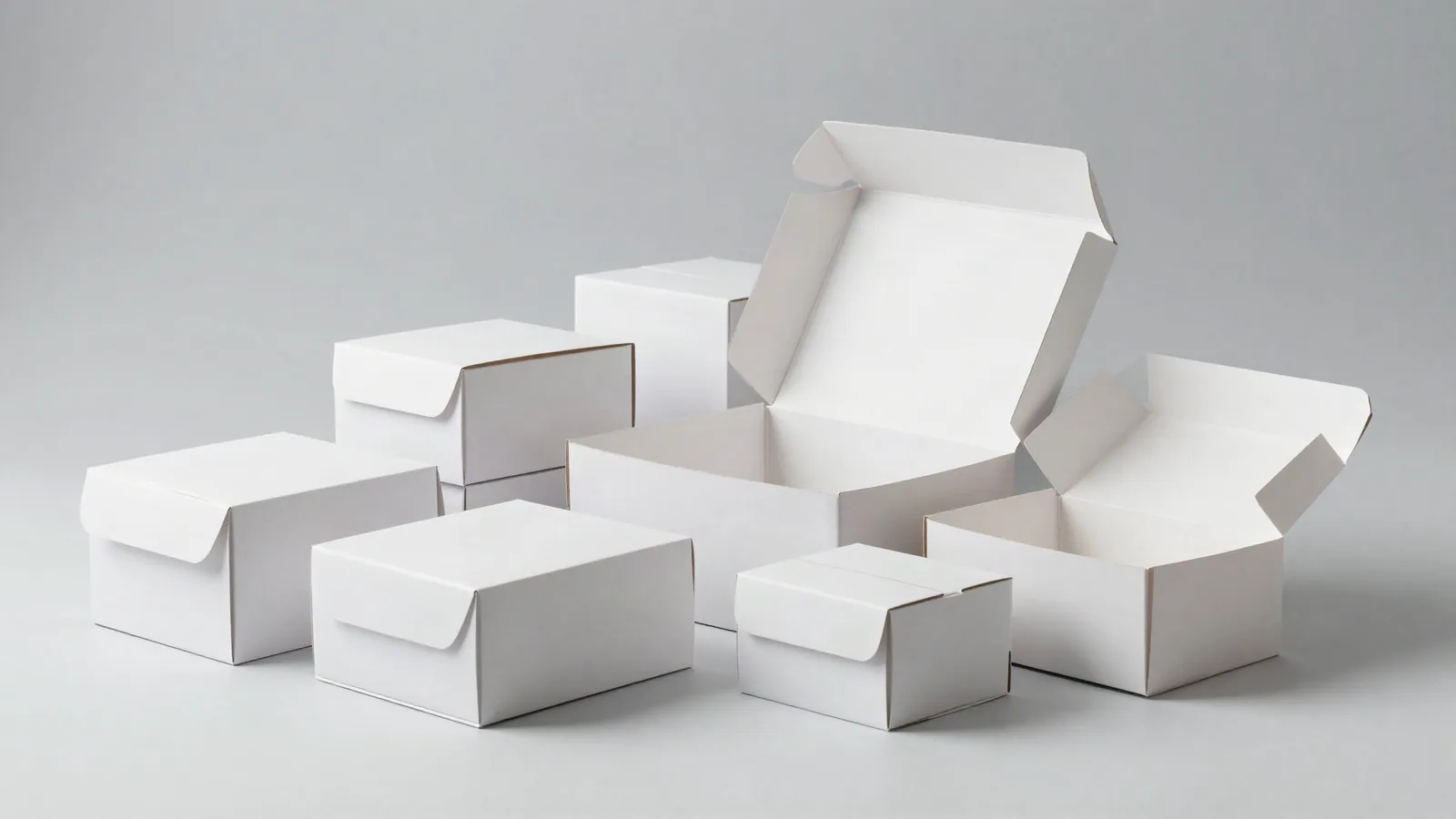



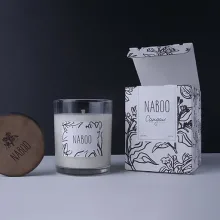
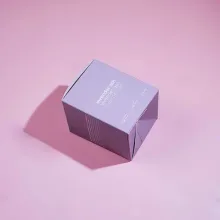
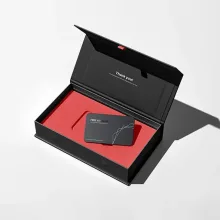
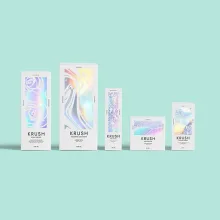
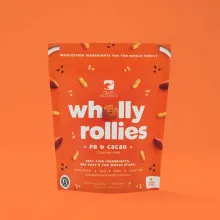





































The benefits of compostable packaging are practical when the material, disposal route, and product use match. Compostable means the selected material is intended to break down in a specified composting setting. It does not mean every curbside program or home compost pile accepts the package. Compare a compostable option with standard board on the same dimensions, print plan, finish, quantity, and handling conditions.
The material choice belongs in the quote, beside the disposal route.
What are the real benefits of compostable packaging?
The main benefit is a packaging brief that names an end-of-life direction before artwork and structure are locked. A compostable option can keep the package custom, with the selected box or wrap format, print, and finish stated in the quote. The benefit disappears if the customer has no route to the stated disposal method.
The material discussion can name the disposal route instead of stopping at a broad label.
The same product brief can compare compostable material with standard board before artwork is final.
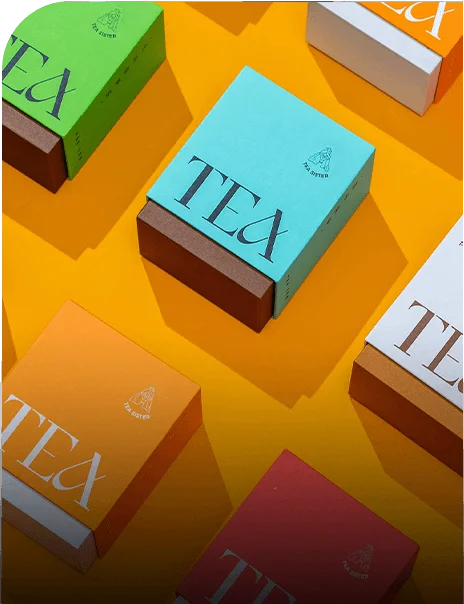
The printed surface can explain the material and the disposal instruction in plain language.
The quote can separate material, dimensions, printing, finish, structure, and quantity.
Does compostable packaging cost less than standard board?
There is no universal compostable price advantage. Compare both materials at the same quantity and specification, then use the quote to see how board, size, print, finish, and structure affect the amount.
| Buying factor | Compostable option | Standard board option |
|---|---|---|
| Minimum quantity | MOQ is 100 units. | MOQ is 100 units. |
| Pricing language | From $0.49 per unit at volume, quoted to spec. | From $0.49 per unit at volume, quoted to spec. |
| Production planning | Typically 8 to 10 business days after proof approval, plus delivery. | Typically 8 to 10 business days after proof approval, plus delivery. |
| Support and logistics | Free design support and free US shipping. | Free design support and free US shipping. |
What does compostable packaging require at disposal?
A compostable package needs the disposal route named in the material discussion, because a composting facility, a curbside paper program, and a home compost pile do not handle materials the same way. Ask what instructions should appear on the package and avoid calling it universally compostable.
That distinction affects the copy on the package. If the intended route is a commercial composting program, say so only when that route is part of the approved material brief. If the route is unknown, ask before printing disposal language.
Which CPL packaging formats can I compare?
Use seed packaging to discuss a small product presentation and its material direction. Wax packaging gives another box-use reference for a product that needs branded presentation. Private label packaging is useful when several SKUs need a consistent material and artwork system. These pages are format references, not proof that every listed item uses compostable stock.
What should I compare before choosing compostable material?
Ask for a written comparison that names the material, structure, disposal route, finish, and product conditions. For grease, oil, moisture, temperature changes, compression, or repeated handling, put the condition in the brief. For food applications, ask us about food-contact options for your product.
Describe the product, fill condition, and use environment.
Confirm whether the package needs a box, wrap, pouch, or another structure.
Check print coverage, coatings, foil, windows, and other finish choices.
Compare compostable and standard board at the same quantity and dimensions.
Ask what disposal instruction should appear on the finished package.
What should I do before approving the compostable package?
Check a physical sample before the custom proof is final when stiffness, surface feel, fold behavior, or closure matters. The $19.99 sample kit is credited toward the first order. CPL provides free design support and free US shipping. MOQ is 100 units. Pricing is from $0.49 per unit at volume, quoted to spec. Production is typically 8 to 10 business days after proof approval, plus delivery.
Start with CPL's custom packaging solutions and ask for the compostable and standard board options in the same quote.
Frequently Asked Questions
Does compostable packaging always cost less than standard board?
No. Compostable packaging does not have a universal price advantage. Compare compostable material and standard board at the same dimensions, print coverage, finish, structure, quantity, and destination. CPL quotes from $0.49 per unit at volume, quoted to spec, so the material route must be named before the comparison means anything.
What is the MOQ for compostable packaging?
The MOQ for a Custom Packaging Lane compostable packaging project is 100 units. Pricing is from $0.49 per unit at volume, quoted to spec. Production is typically 8 to 10 business days after proof approval, plus delivery. Free US shipping and free design support are available.
Can compostable packaging be used for food?
Compostable packaging for a food application needs a product-specific material discussion. Ask us about food-contact options for your product and describe grease, oil, moisture, temperature, filling, and handling conditions. The word compostable does not answer the food-contact question or identify the correct disposal route.
How long does a compostable packaging order take?
Custom Packaging Lane production is typically 8 to 10 business days after proof approval, plus delivery. That window is for planning, not a promise. The quote and proof should name the compostable structure, artwork, material, finish, quantity, and delivery destination before production timing is assessed.
Can I see compostable packaging samples?
Yes. Custom Packaging Lane offers a $19.99 sample kit, and the kit is credited toward the first order. A physical sample lets you check board feel, surface, fold behavior, stiffness, and closure before approving a custom proof. Ask for the compostable and standard board options to be identified separately.