




























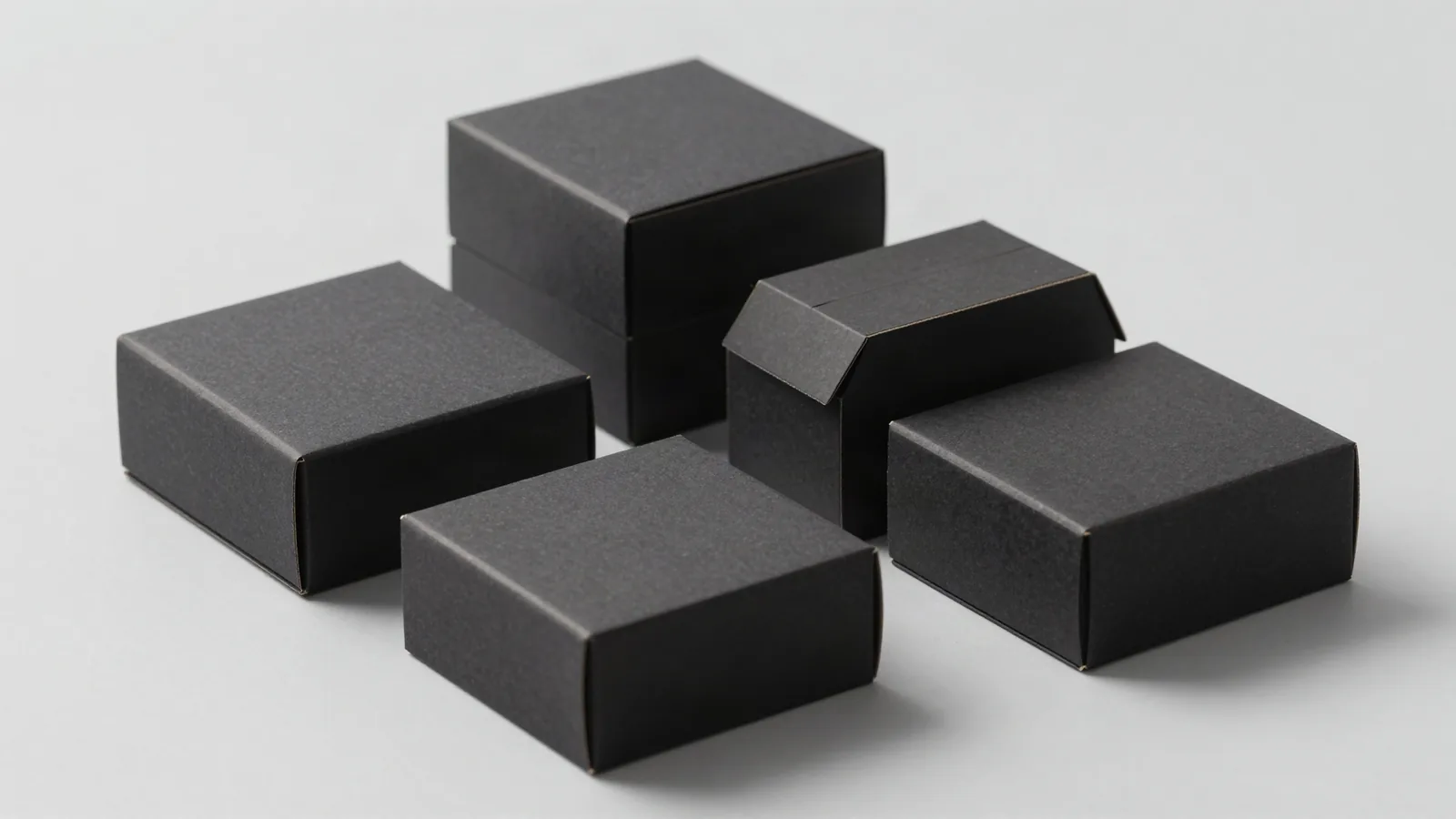




















































Compostable packaging myths usually start when a broad material impression gets treated as a disposal instruction. Compostable packaging is packaging described as able to break down through a specified composting route and conditions. That word belongs to the selected stock and finished construction, not to a kraft color or a general eco-friendly direction. CPL's material spec sheets are the starting record for the wording a package can carry.
What does a compostable claim cover?
A compostable claim covers the construction identified in the material record, not every package that looks like paper. A material spec sheet is the document that names the stock and construction being quoted. Read that record beside the finished format, then keep the package copy as narrow as the evidence. If the selected sheet does not support the exact phrase, use a plain material description instead.
The claim also needs a disposal context. A paper-like surface can feel familiar while the complete package includes a coating, adhesive, window, foil, or closure. Ask which parts are included in the quoted construction before the wording goes into artwork. If the package may touch food, ask us about food-contact options.
Why is eco-friendly not a compostable specification?
Eco-friendly is broad language, while compostable identifies a material and disposal direction. Eco-friendly can describe a design preference, a paper look, or a general sustainability conversation. It does not name the stock, surface treatment, or assembled construction. That difference matters when the same brand uses more than one package format.
Brown kraft color is not proof of compostability. Neither is a paper texture, a natural ink palette, or a product name that sounds green. Keep the environmental language beside the stock, coating, finish, and assembly notes. The copy should describe the package that is actually quoted.
Which package parts belong in the material check?
Every part added to the package belongs in the material check, because a base stock does not describe every finished layer.
| Package part | What it identifies | Question for the quote |
|---|---|---|
| Base stock | Paper, board, film, or other selected starting material | Does the sheet support the exact claim? |
| Coating or laminate | Surface layer added over the printed stock | Is the finished surface included? |
| Foil or print treatment | Decorative or printed treatment on a panel | Is the treated panel named in the construction? |
| Adhesive, window, or closure | Added part used to join, show, or close the package | Are these parts included in the material wording? |
This is where many labels get too broad. A stock may support one sentence, while the assembled package needs a narrower description once an added part is included. Record the components before the proof is approved. Do not make the artwork carry an environmental claim that the construction record cannot support.
How can a buyer audit the wording before print?
Start with the stock, list every added part, and then compare the intended wording with the assembled package. That order catches the problem before the line goes to print.
- Name the selected stock exactly as it appears in the quote or material record.
- List coatings, laminates, foil, adhesives, windows, closures, and other added parts.
- Separate eco-friendly design language from a specific compostable statement.
- Check the digital proof for the final claim, panel location, bleed, and type clearance.
- Use only disposal wording supported by the complete construction.
Prepress details still matter. Low-resolution art can make a label look soft. RGB artwork can shift when it is converted for press. Type placed too close to a score can land on a fold, and missing bleed can leave a thin unprinted edge. The digital proof is the place to catch those problems.
Which compostable packaging myths should a brief reject?
A packaging brief should reject four shortcuts: brown color means compostable, eco-friendly names a disposal route, base stock describes the whole package, and a product category carries the same claim across every construction. Each shortcut replaces a material record with an impression.
A seed package, private-label run, wax format, or perforated package can each use different stock and finishing choices. The product type tells you what to discuss. It does not settle the environmental wording. Use the selected material note and the proof to keep the copy tied to the actual package.
Which CPL product pages help frame the material question?
Seed packaging can frame a small-format material brief. Wax packaging gives you a way to discuss a coated surface and the rest of the construction. Perforated packaging puts cuts, openings, and closure details on the table. Private-label packaging helps when one environmental sentence may appear across several product versions. For the broader artwork handoff, use custom packaging design. These pages frame the format. The selected material record controls the claim.
What should enter a compostable packaging quote?
A useful quote request names the product use, selected or preferred stock, package parts, artwork, coatings, foil, adhesives, windows, closures, intended disposal wording, quantity, and destination. Send the wording with the construction request, not after the artwork is finished. If one component is undecided, mark the claim as pending.
Custom Packaging Lane uses an MOQ of 100 units. Pricing is from $0.49 per unit at volume, quoted to spec. Production is typically 8 to 10 business days after proof approval, plus delivery. Free US shipping and free design support are available. The $19.99 sample kit can help you inspect stock, finish, and construction before approval. It is credited toward the first order.
Order the sample kit, then send the selected stock and complete package list for a quote.
Frequently Asked Questions
Does kraft color show that packaging is compostable?
No. Kraft color shows a visual surface, not the complete material construction or disposal route. Compostable packaging wording should match the selected stock and every added part, including coating, laminate, foil, adhesive, window, or closure. Ask CPL to identify the construction before using the claim.
What is the difference between eco-friendly and compostable packaging?
Eco-friendly packaging is broad language about material direction or design preference. Compostable packaging is a narrower claim tied to the selected stock, finished construction, and intended composting route. A kraft appearance, paper texture, or natural color can support a visual direction, but none of those details proves that the complete package is compostable.
Can a finish change compostable packaging wording?
Yes. A coating, laminate, foil treatment, adhesive, window, or closure becomes part of the finished construction. The base stock may stay the same, but package wording should be checked against the added parts before proof approval. Ask CPL to identify the selected construction and use the narrower wording when a component is not covered.
What should I send with a compostable packaging request?
Send the product use, stock, package format, coatings, foil, adhesives, windows, closures, intended disposal wording, quantity, and destination. The quote should identify the construction behind the claim. If one component is undecided, mark the environmental wording as pending rather than using a broader label.
Can I inspect a sample before approving compostable wording?
Yes. CPL's $19.99 sample kit can help you inspect stock, finish, print, and construction before approving wording for the package. The sample is a physical reference, not a substitute for the quoted material record. The kit is credited toward the first order.












