Cosmetic packaging plays a direct role in how products are perceived, handled, and purchased. A well-structured cosmetic packaging setup improves shelf visibility, protects products during shipping, and strengthens brand consistency across different sales channels. For modern brands, packaging is no longer limited to appearance. It involves choosing the right materials, structure, and printing methods based on product type and market positioning.
This cosmetic packaging guide explains how packaging works across different cosmetic products, what materials perform best in real conditions, and how brands can design custom cosmetic boxes that support both sales and operational efficiency.
Why Cosmetic Packaging Affects Sales, Trust, and Returns
Customers often judge a product before using it. Cosmetic packaging influences that decision through structure, print quality, and overall presentation. A clean, well-fitted box signals reliability, while inconsistent printing or weak structure raises doubts about product quality.
In retail environments, cosmetic packaging boxes compete for attention. Balanced layout, accurate colors, and strong structure make products easier to notice and compare. This directly impacts buying behavior.
For e commerce brands, cosmetic packaging must handle shipping pressure, stacking, and movement. Poor packaging leads to breakage, leakage, or deformation, which increases return rates. Packaging that prevents product damage reduces operational costs and improves customer experience.
Cosmetic Packaging Types and Structures Used by Brands
Different cosmetic packaging types exist because products vary in size, weight, and fragility. Choosing the right structure depends on how the product will be displayed, stored, and shipped.
Folding cartons are the most common cosmetic packaging boxes used for products such as lipsticks, mascaras, and creams. They are lightweight, cost-efficient, and suitable for large production volumes. However, they rely on proper sizing and board strength to maintain shape.
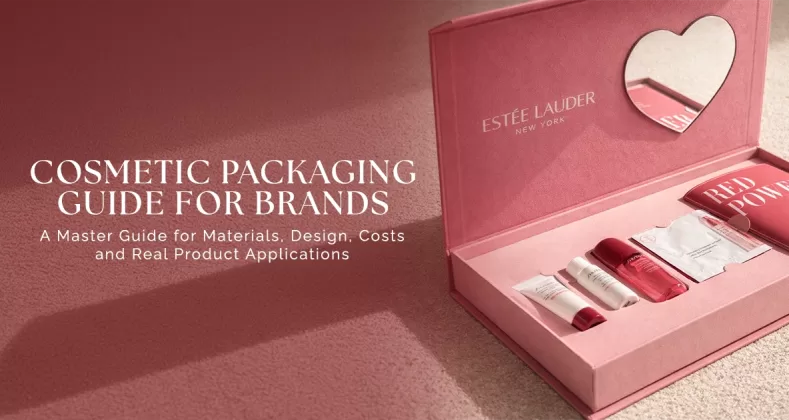
Rigid packaging is used for premium cosmetic packaging solutions where presentation and durability are equally important. These boxes maintain their shape and provide a stronger feel, making them suitable for gift sets and high-value skincare products.
Sleeve and drawer packaging focus on presentation. The sliding mechanism creates a layered unboxing experience, which is often used for premium product lines.
Display packaging is designed for retail counters. It organizes multiple products while improving visibility, which is useful for items that rely on quick customer comparison.
Each cosmetic packaging structure solves a different problem. The right choice depends on whether the priority is cost efficiency, product protection, or brand positioning.
Cosmetic Packaging by Product Type and Practical Use
Cosmetic packaging should always match the product it holds. Using the same structure across different products often leads to inefficiencies and damage.
Lipstick packaging requires precise internal dimensions. A loose fit allows movement, which affects both protection and presentation. A well-structured box keeps the product stable and improves shelf alignment. For structural variations and sizing approaches, explore lipstick packaging boxes to see how structure and sizing are adjusted for different lipstick formats.
Nail polish packaging focuses on protection. Glass bottles are fragile and require internal support. Without inserts or thicker board, the product can shift and break during shipping. Brands often use nail polish packaging boxes with inserts to secure the bottle and reduce movement.
Eyelash packaging is driven by visibility. Customers often want to see the product before purchasing. Window cutouts and transparent panels are used to display the product while maintaining structure. You can review eyelash packaging boxes to understand how visibility and protection are balanced.
Lip balm packaging is compact and often produced in higher volumes. Consistency becomes more important than complexity. Small differences in size or printing are more noticeable when products are displayed together. Custom printed Lip Balm Boxes for these products should focus on uniformity, print consistency, and efficient production.
Hair extension packaging introduces structural challenges due to product length. Larger vertical boxes, hanging features, and window panels are commonly used. These features allow better retail display while maintaining product shape. Examples of custom hair extension boxes show how brands manage both size and presentation.
Choosing the Right Cosmetic Packaging Materials Based on Use Case
Material selection determines how cosmetic packaging performs under real conditions. It affects durability, print clarity, and brand perception.
Kraft material is widely used in eco-focused cosmetic packaging. It provides a natural appearance and supports recyclable packaging goals. However, it does not reproduce colors as sharply as white-based materials. It is best suited for minimalist packaging and brands that prioritize sustainability.
SBS paperboard is commonly used for retail cosmetic packaging because of its smooth white surface. It supports high-resolution printing and accurate color reproduction. This makes it suitable for products where visual presentation is critical, such as lipsticks and skincare items. This makes SBS one of the best materials for cosmetic packaging when print clarity and color accuracy are important.
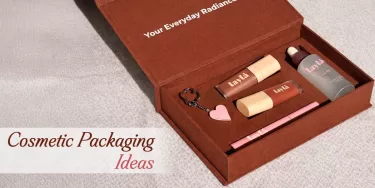
Rigid board is used for premium cosmetic packaging. It provides strength and a solid feel that enhances perceived value. This material supports advanced features such as magnetic closures and layered inserts, making it suitable for high-end products.
Corrugated material is used for cosmetic packaging for ecommerce. Its layered structure absorbs impact and protects products during shipping. While it is not commonly used for primary retail packaging, it plays a key role in secondary packaging.
The best material for cosmetic packaging depends on product type, sales channel, and brand positioning. Retail packaging prioritizes appearance, while shipping packaging prioritizes durability.
Printing and Finishing Options That Define Packaging Quality
Printing determines how clearly a brand is presented. CMYK printing allows full-color designs, while Pantone printing ensures consistent brand colors. Both are used depending on design requirements.
Printing can also be applied inside and outside the packaging. Internal printing adds depth and allows brands to use additional space for messaging or design elements.
Finishing techniques affect how packaging feels and reflects light. Matte finishes create a soft appearance, while gloss enhances color vibrancy. Foil stamping highlights specific areas such as logos, while embossing and debossing add texture.
These techniques should be applied based on purpose. Overuse increases cost without improving clarity or performance.
Add-ons solve practical packaging problems rather than just improving appearance.
Inserts are used to secure products inside the box. They are essential for fragile items such as glass bottles. Without inserts, products can move and get damaged during shipping.
Window cutouts allow customers to see the product without opening the box. This improves decision-making in retail environments.
Magnetic closures are used in premium packaging to improve the opening experience and reinforce product value.
Hang tabs allow products to be displayed on hooks, improving visibility in retail stores.
Each add-on should be selected based on product requirements and sales channel.
Cost of Cosmetic Packaging and What Drives Pricing
The cost of cosmetic packaging depends on several variables, and understanding them helps brands make better decisions.
Many brands search for ways to reduce the cost of cosmetic packaging without affecting product protection or presentation.
Material type is a major cost factor. Rigid packaging costs more than folding cartons due to higher material usage and production complexity.
Box size directly impacts cost. Larger boxes require more material and increase shipping expenses.
Printing complexity also affects pricing. Full-color printing, Pantone matching, and multiple finishes increase production cost.
Order quantity plays a key role in pricing. Lower quantities result in higher cost per unit, while bulk production reduces pricing.
Brands should evaluate packaging cost in relation to product value. Reducing packaging cost at the expense of protection or presentation often leads to higher long-term expenses.
How to Design Cosmetic Packaging That Supports Sales
Effective cosmetic packaging design is not about adding more elements. It is about making the packaging easier to understand, more consistent to look at, and more useful in real buying environments. Strong cosmetic packaging design improves product perception, increases shelf visibility, and supports higher conversion rates in both retail and e commerce environments.
A clear layout helps customers understand the product quickly. Important details should be visible without effort, especially when customers are comparing multiple items at once. When layout is confusing or overloaded, packaging becomes harder to trust and less effective in driving purchase decisions.
Color consistency also plays an important role in brand recognition. When color use changes too much across product lines or production batches, the brand starts to look inconsistent. Consistent color application helps customers remember the product and connect it with the brand more easily.
Typography should support readability, not compete with the design. Fonts that are too decorative or too small reduce clarity, especially in retail settings where customers make quick decisions. Simple, readable typography improves communication and keeps the packaging functional.
Spacing and proportion influence how organized the packaging feels. A balanced design gives the product a cleaner and more professional appearance. Good spacing also helps highlight the most important product information without making the box look crowded.
Design should also be tested against real viewing conditions. Packaging is seen under store lighting, on shelves, in shipping boxes, and on mobile screens. A design that looks strong on a mockup but fails in real conditions often reduces both visual impact and usability.
Many cosmetic packaging problems begin with small decisions made too early in the process. These issues often seem minor during design or sampling, but they become expensive once products move into shipping, storage, or retail display.
Incorrect sizing is one of the most common mistakes. When a box is too large, the product moves inside and becomes more vulnerable to damage. When it is too tight, packing becomes difficult and the box may lose shape during handling. Proper sizing improves both protection and presentation.
Using the wrong material is another frequent issue. Lightweight materials may seem cost effective at first, but they can collapse, bend, or fail under pressure. On the other hand, choosing overly heavy material for a light product can increase cost without adding practical value. Material should match the weight, fragility, and use case of the product.
Many brands also underestimate shipping conditions. Packaging may look good in a flat sample but fail when exposed to stacking pressure, vibration, or long transit routes. This is especially important for fragile cosmetic products such as glass bottles or products with inserts.
Overdesigning the packaging can create a different kind of problem. Too many finishes, too much text, or too many decorative elements can make the box harder to read and more expensive to produce. Effective packaging should communicate clearly before it tries to impress visually.
Avoiding these mistakes improves product safety, reduces waste, and creates a more reliable customer experience from the first order to repeat purchases.
Cosmetic Packaging Trends Shaping Modern Brands
Cosmetic packaging trends change with customer expectations, retail behavior, and design culture. The strongest trends are not just visual. They reflect how customers want products to feel, function, and appear in daily use.
Minimalist cosmetic packaging continues to perform well because it improves clarity. Clean layouts, limited color palettes, and focused messaging make products easier to understand at a glance. This style is especially useful for skincare, wellness, and modern beauty brands that want a more refined appearance.
Sustainable cosmetic packaging has also become a stronger priority. More brands are looking at recyclable materials, reduced packaging weight, and simpler structures that create less waste. This shift is not only about environmental positioning. It also affects how customers judge the responsibility and long-term value of a brand.
Premium finishing remains relevant, especially in crowded product categories. Foil details, embossing, and soft-touch surfaces are still used to increase product appeal, but the strongest results usually come when these finishes are applied with restraint. A single well-placed finish often creates more impact than layering multiple effects together.
Social media has added another layer to packaging decisions. Brands now think about how boxes look in unboxing videos, product photography, and customer-generated content. Packaging that appears clean, balanced, and photogenic has a better chance of gaining attention beyond the shelf.
Trends are useful when they support the product and brand identity. Following them without a clear reason can make packaging feel disconnected from the rest of the brand system.
Cosmetic Packaging Strategy Based on Business Stage
Packaging decisions should change as a brand grows. The right solution for a new product launch is not always the right solution for a business that is already scaling across multiple channels.
Startups usually need flexibility first. They benefit from lower minimum order quantities, manageable packaging costs, and structures that are simple to test and adjust. At this stage, the goal is to find packaging that supports product launch without creating unnecessary financial pressure.
Scaling brands need more consistency. As order volume increases, packaging must remain uniform across batches so customers receive the same visual and functional experience each time. Consistency becomes important not only for presentation but also for operational planning, inventory control, and brand recognition.
Bulk buyers usually focus on efficiency, repeatability, and unit economics. Standardized packaging systems make production smoother and reduce variation across large runs. At this stage, pricing, supply stability, and structural reliability become just as important as design.
A strong cosmetic packaging strategy should reflect the current stage of the business rather than forcing every brand into the same packaging model. This helps brands grow with fewer operational issues and more control over cost and presentation.
Conclusion
Cosmetic packaging is a critical part of product performance. It influences how products are perceived, how they are protected, and how efficiently they move through different channels.
By selecting the right materials, structure, and design approach, brands can create cosmetic packaging that supports both sales and operational goals. This guide provides a practical framework for making those decisions based on real-world conditions.
FAQs
What is the best material for cosmetic packaging?
SBS paperboard is commonly used for retail packaging due to its print quality, while Kraft is used for eco-focused packaging and rigid board for premium products.
How can cosmetic packaging prevent product damage?
Using correct sizing, durable materials, and inserts helps secure products during shipping.
What packaging works best for small cosmetic brands?
Low minimum order cosmetic packaging allows startups to test products while controlling costs.
Does cosmetic packaging influence the buying decisions of customers?
Yes, packaging affects perception, trust, and product appeal, which directly impacts purchasing behavior.