



























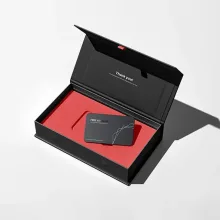
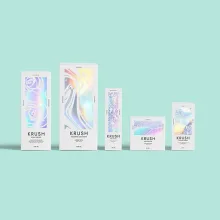
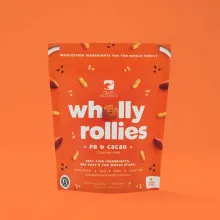
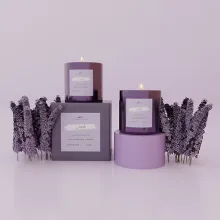





































Custom boxes for baked goods have to protect the shape of the product without hiding the reason someone bought it. A pastry carton, cookie assortment, gift box, and shipped bakery item can need different structures. Start with the finished product dimensions, the number of pieces in each pack, the opening motion, and whether a window, divider, or tray belongs inside. Ask us about food-contact options for your product if the package directly touches the baked item.
What should a baked-goods box balance?
The box should hold the baked item in a defined position while leaving enough room for the actual arrangement. Measure the product as it enters the package, including a liner, wrap, tray, or divider that stays inside. Headspace, cavity depth, and the way the top closes matter as much as the outside footprint.
Display orientation changes the drawing. A top window may show a cookie assortment, while a front panel may need to carry the product name and handling instructions. Decide which surface faces the customer and which surface faces the packing table before the dieline is cut. A dieline is the flat cutting template used to print, crease, and cut the box.
Which carton materials are common for bakery packaging?
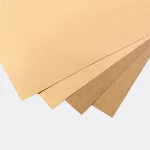
Paperboard choice controls fold behavior, panel stiffness, print surface, and the amount of force needed at a closure. SBS, C1S, and C2S paperboard commonly fall in the 12 to 24 pt range. Kraft board commonly falls in the 18 to 24 pt range. These are general industry references, so the sample should identify the board family and caliper being evaluated.
| Material or component | Common industry reference | Buyer question |
|---|---|---|
| SBS, C1S, or C2S paperboard | 12 to 24 pt | Does the board support the fold pattern and printed coverage? |
| Kraft board | 18 to 24 pt | Will the natural surface keep the ink readable? |
| Corrugated board | E, B, or C flutes, with 32 ECT as a common reference | Does the flute profile suit parcel handling and the footprint? |
| PET window | 0.2 to 0.3 mm | Where can the window sit without weakening the panel? |
| Mylar or foil laminate | PET, AL, and PE layers | Which layer arrangement fits the flexible format? |
Corrugated E, B, and C flutes change thickness, stiffness, stacking behavior, and print surface. A PET window shows the contents but adds a cut line, patch area, and glue-planning decision. Mylar or foil laminates use PET, AL, and PE layers, so specify the construction rather than relying on a generic film label.
Which structures work for display and carryout?
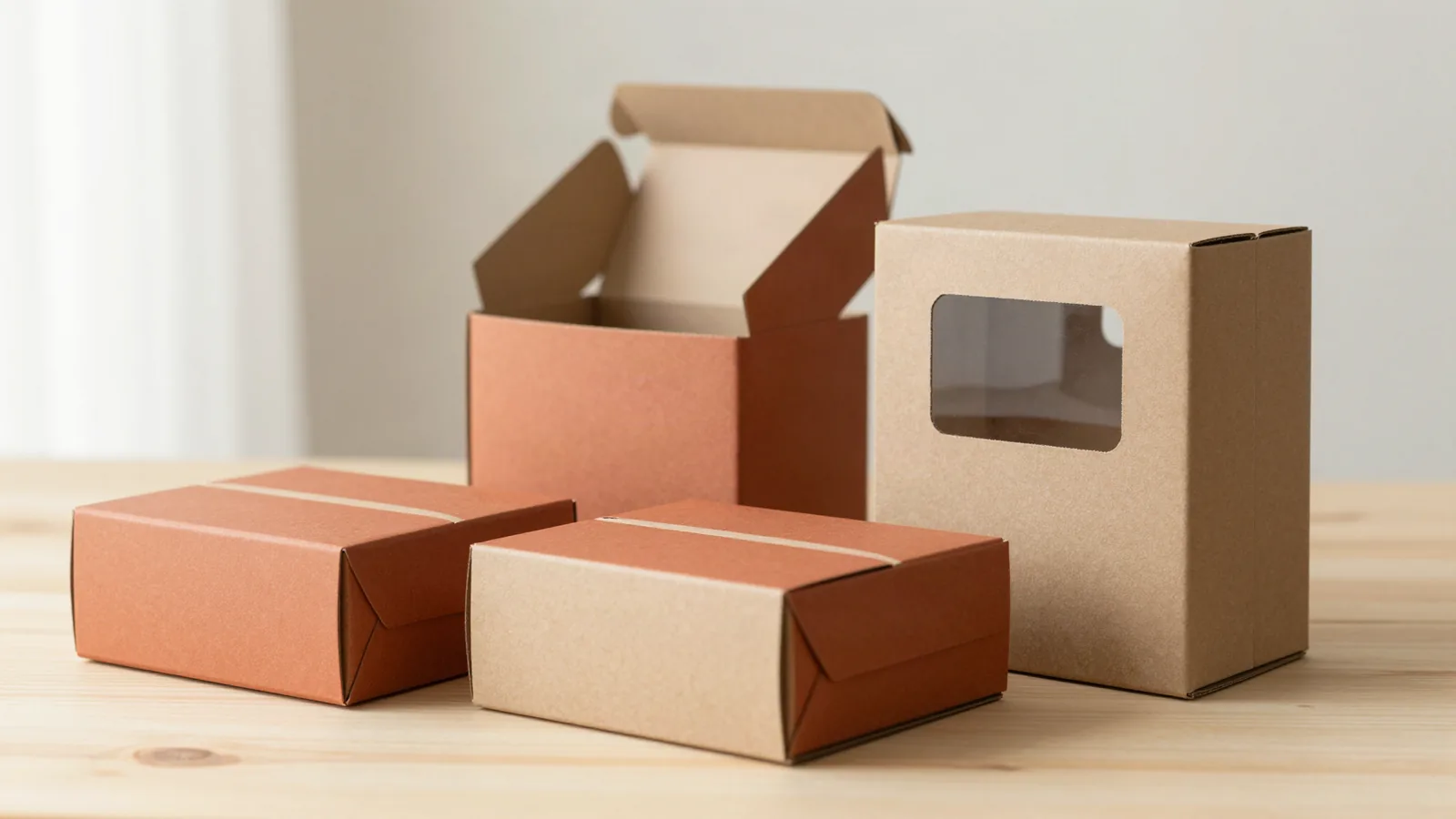
A tuck carton suits a flat retail presentation, while a mailer suits a package that must close around the product for parcel handling. Straight tuck end and reverse tuck end cartons create familiar folding-carton openings. An auto-lock bottom or crash-lock changes the base assembly. Gable and pillow structures change the top profile and carryout motion. A sleeve can wrap an inner tray or carton.
- Use a windowed carton when the visible arrangement is part of the presentation brief.
- Compare a tuck structure when packing speed and a clear top closure matter.
- Consider a gable format when the top profile and carryout motion are part of the package.
- Compare a mailer when the package must open as a parcel and a display piece.
A roll end tuck top mailer, commonly associated with FEFCO 0427, gives the brief a parcel-oriented reference. The correct choice still depends on the product's shape, the closure, and the way the item sits inside.
How should windows and finishes support the product?
The window's cut line decides how much printed panel remains around the product. Keep the window clear of scores, glue areas, and artwork that must stay readable. A window that is too close to a fold can weaken the panel or distort the view. A window that is too small can show the wrong part of the arrangement.
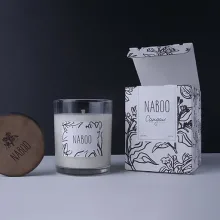
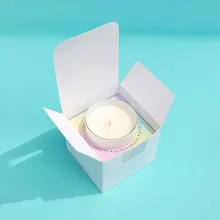
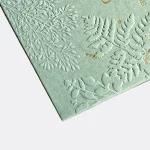
Matte or gloss lamination changes glare. Soft-touch changes the hand feel. Spot UV, foil stamping, embossing, and debossing can draw attention to a logo or product name, but the finish still needs safe space around folds and closures. Custom tuck top mailer boxes can help compare parcel-style closures. Custom votive candle boxes can inform compact carton proportions and front-facing panels.
When a bakery assortment includes a bottle-shaped companion item, custom Woozy bottle boxes can prompt questions about clearance and vertical presentation. Custom vial boxes provide a small-format comparison for individual pieces or sample-sized contents. These are structural references, not food-packaging assumptions.
How should bakery-box dimensions be recorded?
Inside measurements should control the cavity, recorded as length x width x depth. A common industry convention allows about 1/16 in (1.5 mm) tolerance, subject to the structure and material. Check the assembled box with the actual baked item, liner, tray, or divider. Look for shifting, corner pressure, difficult removal, lid interference, and a window that hides the useful view.
Pack the real arrangement before approving artwork. An insert cut to the exact product size can stop rattling, but it can also make removal frustrating if the product has no hand clearance. Type set too close to a score can fold into the panel break. The sample catches both problems.
What should I include in a baked-goods packaging brief?
A bakery brief should describe the product as it will be packed, not as it appears in a menu photograph. Include:
- Finished product dimensions, count per box, and the arrangement inside the package.
- Structure preference, including tuck, gable, pillow, sleeve, windowed carton, or mailer.
- Board, corrugated, laminate, window, print, and finish requirements.
- Any divider, tray, insert, opening, or carryout detail that changes the dieline.
- Food-contact questions, artwork status, and ship-to region for the quote.
Custom Packaging Lane quotes to spec from a 100-unit minimum, with pricing from $0.49 per unit at volume, quoted to spec. Production is typically 8 to 10 business days after proof approval, plus delivery. Free US shipping, free design support, and a free dieline are part of the planning process. The $19.99 sample kit is credited to the first order. Compare custom packaging solutions and request the sample kit before finalizing the structure.
Frequently Asked Questions
What should I measure before ordering boxes for baked goods?
Measure the finished product at the size it will enter the package, then record length, width, depth, height, and the number of pieces. Include a liner, tray, divider, or insert if it stays inside. Check the real arrangement in the assembled box so the opening and cavity reflect actual packing conditions.
Which structures are common for bakery cartons?
Straight tuck end and reverse tuck end cartons are common folding-carton references. Gable and pillow structures create different top profiles, while sleeves can wrap an inner tray. Auto-lock and crash-lock bases change the assembly. A roll end tuck top mailer, commonly associated with FEFCO 0427, suits a parcel-oriented direction.
How can a window affect the design?
A window changes the cut line, patch area, glue planning, and artwork balance. A common PET window reference is 0.2 to 0.3 mm. Check that the visible area shows the intended product arrangement, stays clear of folds, and does not reduce the useful front panel or make the closure harder to handle.
What board references should I compare?
SBS, C1S, and C2S paperboard commonly fall in the 12 to 24 pt range, while kraft board commonly falls in the 18 to 24 pt range. Corrugated references include E, B, and C flutes, with 32 ECT as a common reference. Match the board to fit, display, and parcel handling.
When should food-contact questions be raised?
Raise food-contact questions before the material and finish are finalized if the package directly touches the baked product. The supplier can then discuss suitable options for the intended structure and use. Keep the request specific about the product, liner, tray, window, and any layer or coating that could affect the package design.