

































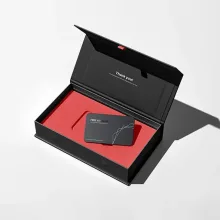











































Custom cap boxes work best when the package can identify the cap without opening it and still survive the channel that moves it. Start with the packed cap dimensions, accessory count, collection fields, and whether one carton or a multi-pack is planned. A box that looks orderly in a product photo can become slow to sort when the colorway or style code is hidden on a side panel.
How can custom cap boxes make a collection easier to manage?
A fixed panel order lets a fulfillment worker find the collection, colorway, size, fit, or style code without opening the carton. Keep the brand position stable, then let the collection name, colorway, fit language, or style identifier change in a defined field. Compare custom tuck-top mailer boxes, custom undergarment boxes, and custom bottle boxes as references for labeling and product-family organization.
Which package panels should carry collection information?
The main face should identify the product, while a side or end panel should carry the field people need during sorting. Do not put every message on the primary display face. Give each panel a defined job.
| Package area | Information to organize | Merchandising check |
|---|---|---|
| Primary face | Brand, collection, and product identity | Can the carton be identified at a glance? |
| Variant panel | Colorway, size, fit, or style code | Can similar cartons be sorted quickly? |
| Information panel | Care, handling, and supplied brand copy | Is the smallest type readable? |
| Shipping-facing area | Order or handling information | Will the message remain visible in transit? |
How should the carton move between retail and direct channels?
Retail presentation and direct shipping put different loads on the same cap package. A folding carton can carry the collection story, while a mailer can provide a separate shipping layer. Corrugated E, B, and C flutes are common industry choices for shipping-oriented packaging, and 32 ECT is a common strength convention. Review the packed cap, accessory count, route, and empty space before deciding whether one package can serve both channels.
A tuck-top mailer can make the first opening clear and may let the customer retain the package for storage. If a presentation carton travels inside an outer shipper, plan how the collection identity appears on both layers. The opening should be easy to understand, while the exterior should remain organized when the package is handled repeatedly.
Which board and print combinations fit a cap collection?
Paperboard gives the printed carton a broad face, while corrugated packaging adds fluting for a mailer or outer shipper. SBS or C1S paperboard commonly falls in the 12 to 24 pt range for printed folding cartons. Kraft board commonly falls around 18 to 24 pt when a natural paper surface supports the brand direction. Offset CMYK is common for detailed carton artwork, digital printing can suit shorter test runs, and flexo is common for corrugated surfaces.
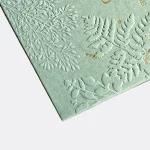
Matte or gloss lamination can shift contrast and surface behavior. Soft-touch changes the hand feel. Spot UV, foil stamping, embossing, and debossing can emphasize a mark, collection name, or limited-edition detail. Keep the information panel calm and check every variant on proof so the printed system stays consistent.
How can shared artwork stay useful across cap variants?
A master layout works when variable fields are named before the first dieline is approved. A dieline is the flat cutting template that shows trim, scores, folds, glue tabs, and closure panels. Lock the brand positions, then define the areas for collection, color, fit, or style information. Keep line lengths and type sizes predictable so one variant does not become crowded. If different cartons use different artwork, record which fields change and which remain fixed.
Review the closed package, the flat blank, and the assembled package together. Check folds, glue tabs, closure behavior, and artwork alignment after assembly. Low-resolution art, RGB color shifts, missing bleed, and type set too close to a score are easier to fix on the proof than after the cartons are assembled.
What should I bring to a cap packaging review?
The review needs the collection list and the physical blank at the same time.
- Collection names, product dimensions, accessory count, and whether one carton or a multi-pack is planned.
- Variant fields such as colorway, size, fit, style code, care copy, and supplied brand text.
- Desired opening style, channel role, quantity by variant, and delivery destination.
- Artwork files, print coverage, board direction, and requested finishes.
- Any questions about shipping layers, inserts, closure behavior, or storage after opening.
Custom Packaging Lane quotes cap packaging to spec from a 100-unit minimum. Pricing is from $0.49 per unit at volume, quoted to spec. Production is typically 8 to 10 business days after proof approval, plus delivery. Free US shipping, free design support, and a free dieline support the review. The $19.99 sample kit is credited to the first order. Use the custom boxes with logo hub when the collection needs one branded carton system.
Frequently Asked Questions
Can one cap box layout handle several variants?
One cap box layout can handle several variants when the brand positions, panel order, type rules, and finish rules stay fixed while colorway, size, fit, or style fields change. Define those variable fields before artwork begins. Confirm whether each version needs a separate dieline, insert, or printed element.
Should cap packaging use a folding carton or a mailer?
A folding carton can prioritize collection presentation, while a tuck-top mailer can combine product handoff with direct-shipping behavior. Some programs use a presentation carton inside an outer shipper. Compare the channel, packed cap, accessory count, storage expectations, and transit route. Corrugated E, B, and C flutes are common shipping references, and 32 ECT is a common strength convention.
What information should appear on a cap package?
A useful cap package hierarchy can include the brand, collection or product name, colorway, size or fit note, style identifier, care copy, and a short supplied brand message. Keep variant information easy to scan so cartons can be sorted without opening. Use the proof to check contrast, panel order, small type, and consistency.
Which finishes are useful for branded cap boxes?
Matte or gloss lamination can change contrast and surface feel. Soft-touch can add a tactile layer, while spot UV, foil stamping, embossing, and debossing can emphasize a logo or collection detail. Use finishes selectively so variant information remains readable. Review dark artwork, fine type, folds, and finish locations on the proof.
What does a cap packaging proof need to show?
A cap packaging proof should show the flat blank, closed carton, assembled package, folds, glue tabs, closure, variant fields, finish marks, and panel order. Check logo placement, bleed, small type, color changes from RGB preparation, and artwork alignment after assembly. Resolve fit or layout errors before the production dieline is approved.