















































What should custom case inserts accomplish?
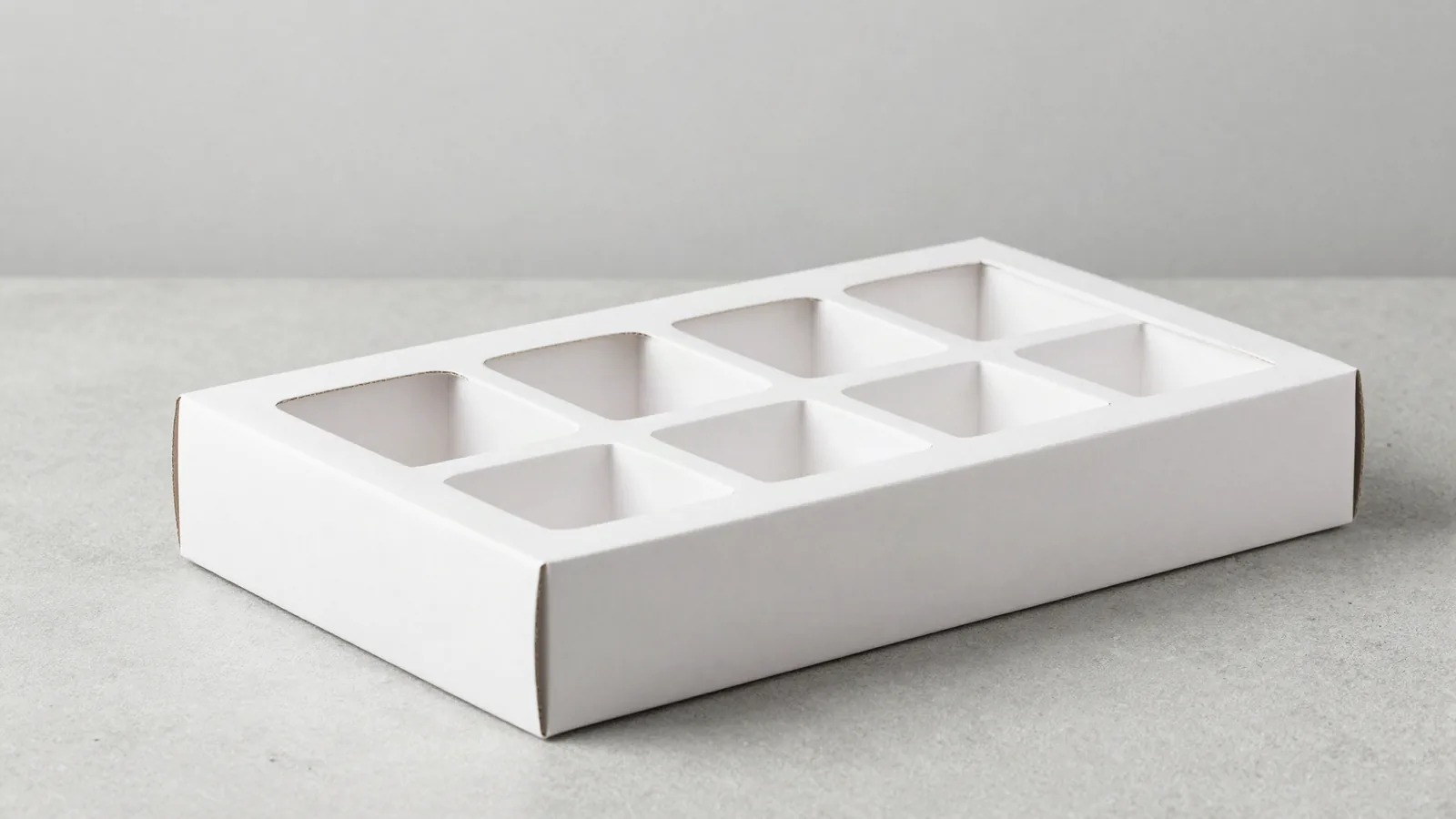
A case insert fixes the product's position inside the package and gives the buyer a defined way to lift it out. A dieline is the flat cutting template used to print and cut the insert, case, or sleeve. Start that template from the assembled case, loaded product, accessory set, and opening sequence. The product may be a phone case, bottle, jewelry piece, candle, tool, or accessory set. Mark the cavity, support points, separation, grasp area, and removal direction before artwork is placed.
Keep the case and insert in the same brief. A loose insert can shift, a tight insert can bind against the lid, and a blocked grasp area can make the first opening awkward. State whether the interior needs a flat base, divider, contoured cavity, lift ribbon, finger access, or a separate area for printed material.
How do I measure an insert for a case?
The empty case interior is the starting envelope, then the product is measured in its loaded orientation. Record length x width x depth for the case, cavity, product, and accessories, and keep inside measurements separate from outside measurements. About 1/16 in (1.5 mm) is a common packaging tolerance reference, but the assembled sample must confirm the fit around wrapped edges, folds, cavity walls, and lid clearance.
Pick a datum, such as the case corner or hinge side, and keep it on every drawing. Mark the product centerline, cavity edges, support points, access notch, insertion direction, and closure clearance. For multiple cavities, show how one piece is removed without catching its neighbor.
Which material should I choose for a case insert?
For a folded tray, compare paperboard first. Wrapped chipboard, corrugated board, and fitted foam solve different support problems.
| Insert direction | Typical industry reference | Check before approval |
|---|---|---|
| Paperboard divider or tray | SBS, C1S, or C2S paperboard, 12 to 24 pt | Fold positions, tabs, separators, and cavity access |
| Wrapped rigid base | Chipboard, 1.5 to 3 mm, wrapped in 100 to 157 gsm art paper | Wrapped edges against the case wall and lid clearance |
| Corrugated support | E, B, or C flute corrugated, with 32 ECT as a common reference | Flute direction, compression path, and support points |
| Fitted foam insert | Custom cavity cut around the loaded product | Surface contact, grasp area, and removal force |
Paperboard creates folded dividers and layered trays. Wrapped chipboard gives a rigid case a firm base. Corrugated material suits a support or shipper role, while fitted foam follows the product shape. Compare the product surface, load path, case interior, opening action, and the way the insert returns after removal.
Which case structure should hold the insert?
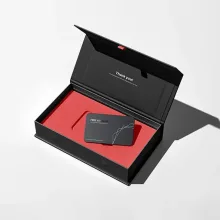
A two-piece rigid box separates the base and lid, so the insert can sit in a defined presentation area. A magnetic flap adds a hinged opening path. A drawer or slide moves the insert with the tray, which makes sleeve clearance and friction part of the fit check. A sleeve can hold the case closed or add another printed layer.
For folding cartons, a straight tuck end, reverse tuck end, auto-lock bottom, or crash-lock base changes how the insert is loaded and retained. Draw the outer structure and insert as one opening sequence. Show where the case is grasped, when the product becomes visible, and how the insert is lifted or returned.
How should I print and finish a case insert?
Offset CMYK suits detailed artwork on a case, sleeve, tray, or printed insert. Digital printing can suit a short run or layout test, while flexo is commonly used for corrugated surfaces. Matte or gloss lamination changes the surface, soft-touch changes the hand feel, and spot UV isolates a selected panel. Foil stamping, embossing, and debossing add surface contrast when the board and construction support them.
Build the file from the assembled dieline. Mark the front, hinge, lid, sleeve, cavity labels, access notch, glue areas, seams, folds, and no-print zones. Keep type away from scores and grasp points. Check RGB art after conversion for press, leave bleed on the file, and keep low-resolution images out of the final proof.
What should a case insert proof show?
The proof needs the package in its working states, not only a flat artwork view. Show the empty case, loaded product, accessory set, insert, lid or sleeve, and the complete opening sequence.
- Label inside length x width x depth, outside size, cavity edges, support points, folds, seams, tabs, trim, and closure areas.
- Mark the datum, product centerline, grasp points, lift access, cavity labels, lid clearance, and insertion direction.
- Separate the insert material, case material, base print, lamination, soft-touch, spot UV, foil, embossing, and debossing layers.
- Check the assembled package closed, open, loaded, empty, lifted, and returned to its case before approval.
Where can I compare case insert formats?
Compare custom rigid boxes with inserts for a presentation case, then review custom foam box inserts for shaped cavities. Custom cardboard boxes with inserts show a paperboard direction. Phone case boxes and jewelry boxes with inserts offer other product-shape references.
Send the case interior, product dimensions, accessory list, loaded orientation, cavity map, material preference, outer structure, print coverage, finish, quantity, and delivery location for a quote. Custom Packaging Lane quotes to spec from a 100-unit minimum, with pricing from $0.49 per unit at volume, quoted to spec. Production is typically 8 to 10 business days after proof approval, plus delivery. Free US shipping, free design support, and a free dieline are available. Order the $19.99 sample kit, credited toward the first order, and use wholesale custom packaging when the insert is part of a larger packaging brief.
Frequently Asked Questions
How much clearance should a custom case insert have?
A custom case insert should be checked against the assembled case, product, folds, wrapped edges, cavity walls, and lid. About 1/16 in (1.5 mm) is a common packaging tolerance reference, but the actual material and construction can change the fit. Mark the datum, support points, grasp access, and removal direction before approving the proof.
Which insert material works with a rigid case?
A wrapped chipboard insert is a common comparison for a rigid case because 1.5 to 3 mm chipboard creates a firm base beneath 100 to 157 gsm art paper. Paperboard trays, corrugated supports, and fitted foam create different fold, support, and removal paths. Compare the loaded product and closed case, not the insert by itself.
What is a dieline for a case insert?
A dieline is the flat cutting template used to print and cut a case insert or its outer package. It shows folds, scores, trim, glue areas, seams, cavities, tabs, and no-print zones. The dieline should be drawn from the case interior, product dimensions, loaded orientation, and opening sequence so the physical sample can confirm the fit.
Where should finish notes appear on an insert proof?
Finish notes should identify matte or gloss lamination, soft-touch, spot UV, foil stamping, embossing, and debossing by panel. Case inserts and outer cases can use offset CMYK or digital print, while flexo is common for corrugated surfaces. Keep finishes, type, and cavity labels clear of folds, seams, grasp points, and sliding surfaces.
What should I send for a case insert quote?
A case insert quote needs the case interior, product and accessory dimensions, loaded orientation, cavity map, material preference, outer structure, print coverage, finish, quantity, and delivery location. Include a clear opening sequence and any lid or sleeve clearance. A physical sample should be checked empty, loaded, closed, opened, lifted, and returned before approval.