































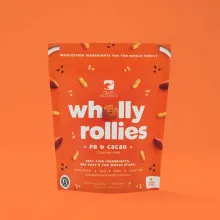





































Custom heat seal packaging is a flexible package closed by applying heat and pressure to a seal layer. The laminate, seal width, fill shape, zipper position, and artwork all need to agree before the proof. Start with the product and how it enters and leaves the package, then choose the pouch format.
What does heat seal packaging need to define first?
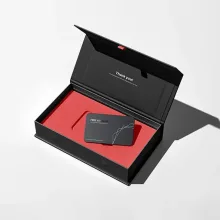
Seal width and fill orientation set the working area. Record the product shape, package orientation, flat or gusseted form, intended opening, and top seal zone. If access is needed after the first opening, place the zipper below the sealed edge. If a carton, tin, or shipper surrounds the pouch, show both structures in the request so the fit and reveal are checked together.
Which laminate construction should I compare?
PET, AL foil, and PE are the laminate layers most often compared for a flexible package. PET can carry the printed outside, AL foil can form a foil laminate layer, and PE is commonly used on the sealing side.
| Layer or material | Typical role | Practical question |
|---|---|---|
| PET | Outer film and printed surface | Does the artwork need a clear outer film? |
| AL foil | Foil laminate layer | Does the application call for a foil barrier direction? |
| PE | Common sealing-side layer | What seal process and product contact area apply? |
| Mylar laminate | Flexible package construction | What appearance and opening format fit the product? |
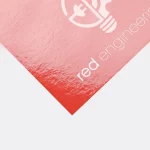
Mylar is a polyester-film reference used in flexible packaging conversations. A metallized film layer can block light and reduce moisture and odor transfer, but the product and sealing process still decide the proposed construction. Appearance alone is not enough.
How do pouch structures change the opening?
A flat heat-sealed bag has a simple profile. A stand-up pouch adds a bottom gusset, so the package can sit upright. A zipper pouch adds a user-operated opening below the first seal. A pillow structure has a central seal and does not stand like a gusseted pouch. Compare the fill path, seal location, display direction, and opening motion before locking the format.
How should I specify pouch size and fill?
Capacity follows the filled shape, not pouch width alone. Include finished width, height, gusset, seal area, closure, artwork coverage, and product orientation in the brief. Stand-up pouches commonly fall around 3 to 7.5 inches wide, but width does not establish capacity. Describe the product as it will sit during filling, including any fold, shape, or clearance needed at the seal. If the package must stand, specify the base and orientation.
Which print and finish choices fit flexible film?
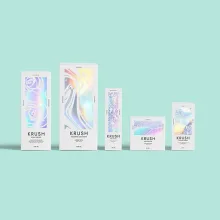
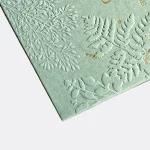
Digital printing can suit short runs or an early artwork pass. Offset CMYK is common when a folding carton adds detailed paperboard graphics. Matte and gloss lamination change surface sheen, while soft-touch changes hand feel. Foil laminate, spot UV, foil stamping, embossing, and debossing need panel-by-panel review because flexible film and paperboard respond differently at folds, seals, and creases.
When should an outer carton or tin be added?
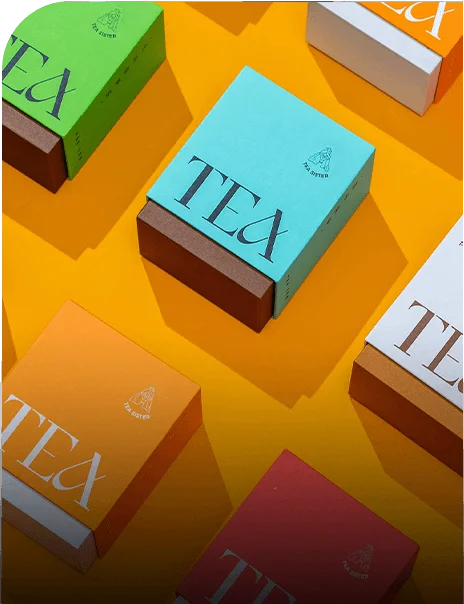
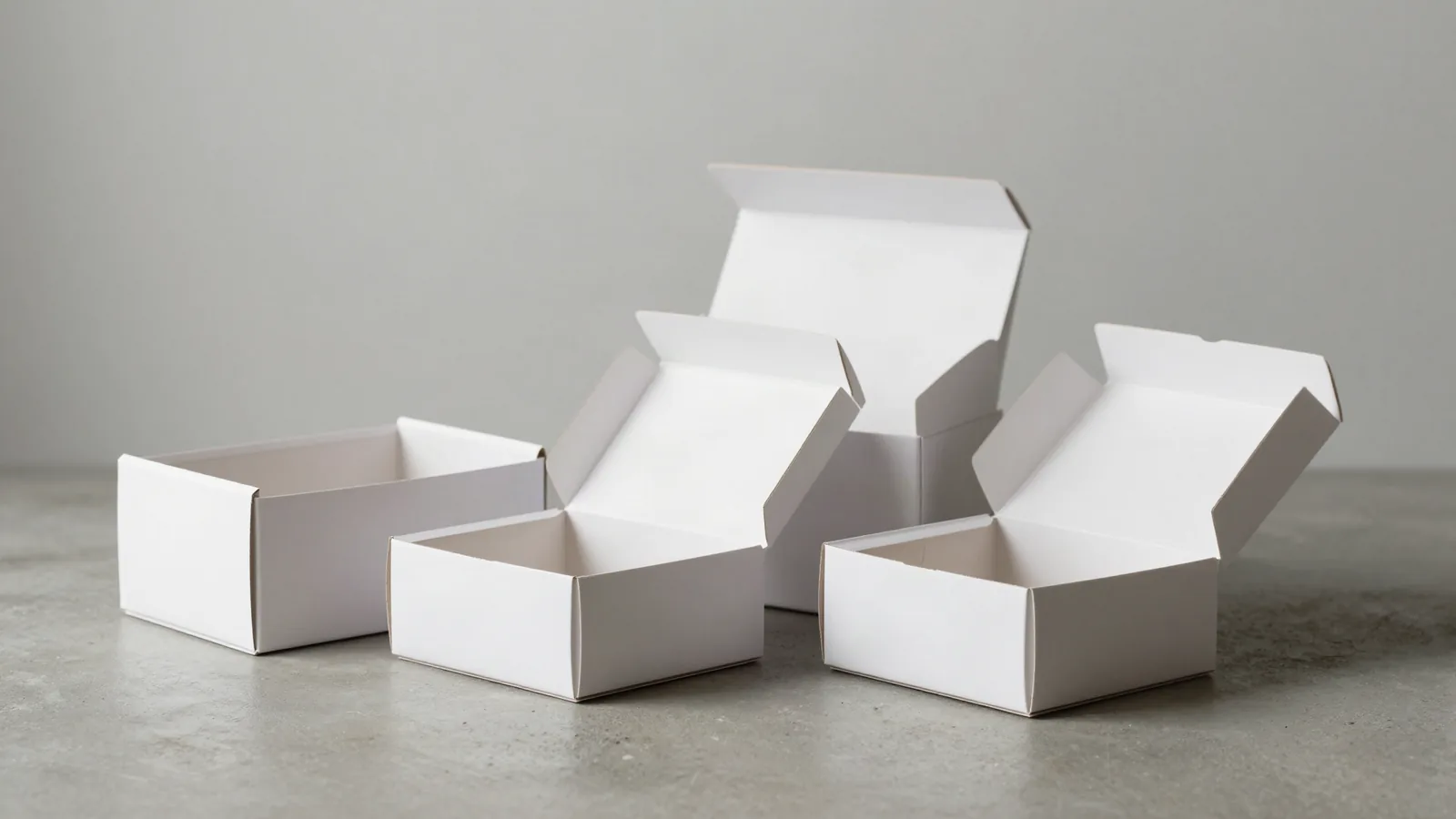
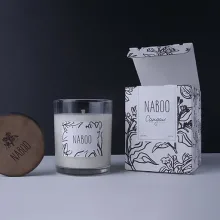
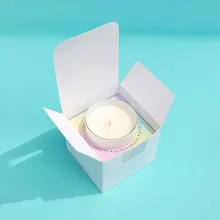
An outer format can add display space, a second opening, or a transport layer. Compare custom seal end tuck boxes when the pouch needs a folding carton around it. Custom tin packaging is a reference for a reusable outer format. Custom stevia packaging is a reference for small portions and sachet-style planning. The direct flexible format is custom Mylar heat seal bags. If the package touches food or an ingestible product, ask about food-contact options for the intended use.
What should I send before proof approval?
A reliable drawing or physical product gives the material discussion a fixed starting point. Send the laminate direction, finished dimensions, fill orientation, seal area, closure, artwork panels, finish, quantity, and delivery location. State whether the package must stand, hang, stack, or sit inside a carton. Include the outer structure if there is one. These details keep the seal, zipper, artwork, and carton on one plan.
What ordering terms should I expect?
Custom Packaging Lane quotes custom heat seal packaging from a 100-unit minimum. Pricing is from $0.49 per unit at volume, quoted to spec. Production is typically 8 to 10 business days after proof approval, plus delivery. Free US shipping and free design support are included. A free dieline supports the planning stage. The $19.99 sample kit is credited to the first order. Send product details through custom packaging solutions.
Frequently Asked Questions
What is the difference between heat sealing and a zipper closure?
Heat sealing closes a package along a defined seal area, while a zipper gives the user a repeatable opening below that seal. A pouch can use both, with the zipper protected by the first sealed edge. The choice depends on fill path, opening behavior, product presentation, and whether the pouch needs a gusseted standing format.
Which laminate layers are common in flexible packaging?
PET, AL, and PE are common laminate layers discussed for flexible packaging. PET can carry the printed outside, AL foil can provide a foil laminate layer, and PE is commonly used on the sealing side. Mylar is a flexible-film reference. A metallized layer can block light and reduce moisture and odor transfer. The proposed construction should follow the product and seal process.
How does pouch width relate to capacity?
Stand-up pouches commonly fall around 3 to 7.5 inches wide, but width alone does not establish capacity. A heat seal pouch request should include finished width, height, gusset if needed, seal area, closure, artwork coverage, product orientation, and fill arrangement. Use the actual product or a reliable drawing to check the fit before proof approval.
Can a pouch sit inside a carton or tin?
A heat-sealed pouch can sit inside a folding carton, sleeve, tin, or corrugated shipper when the project needs a second presentation or transport layer. State which package opens first, how much clearance the pouch needs, and whether the carton uses a straight tuck, reverse tuck, or auto-lock bottom. Check the pouch and outer format as one packed set.
What if a flexible package touches food?
For a flexible package that touches food or an ingestible product, ask about food-contact options for the intended use. Share the product type, fill conditions, closure, and storage context. Do not assume one laminate fits every application. Keep any open material-suitability question visible in the quote and proof review.