
















































What should a custom Kleenex box fit around?
The tissue pack, including its overwrap, sets the box footprint and dispenser opening. A custom Kleenex box should hold that pack without crushing it, present the intended printed panels, and let one sheet pull through without catching the next. Measure the actual pack before artwork starts. A generic tissue category is not enough for a dieline.
A dieline is the flat cutting and folding template for the box. Give dimensions as length x width x depth, and say whether each measurement is inside or outside. About 1/16 in (1.5 mm) is a common planning tolerance. Record whether the box sits on a desk, counter, shelf, or in a hospitality setting. That choice changes the visible panels and opening direction.
Which box structure suits a tissue dispenser?
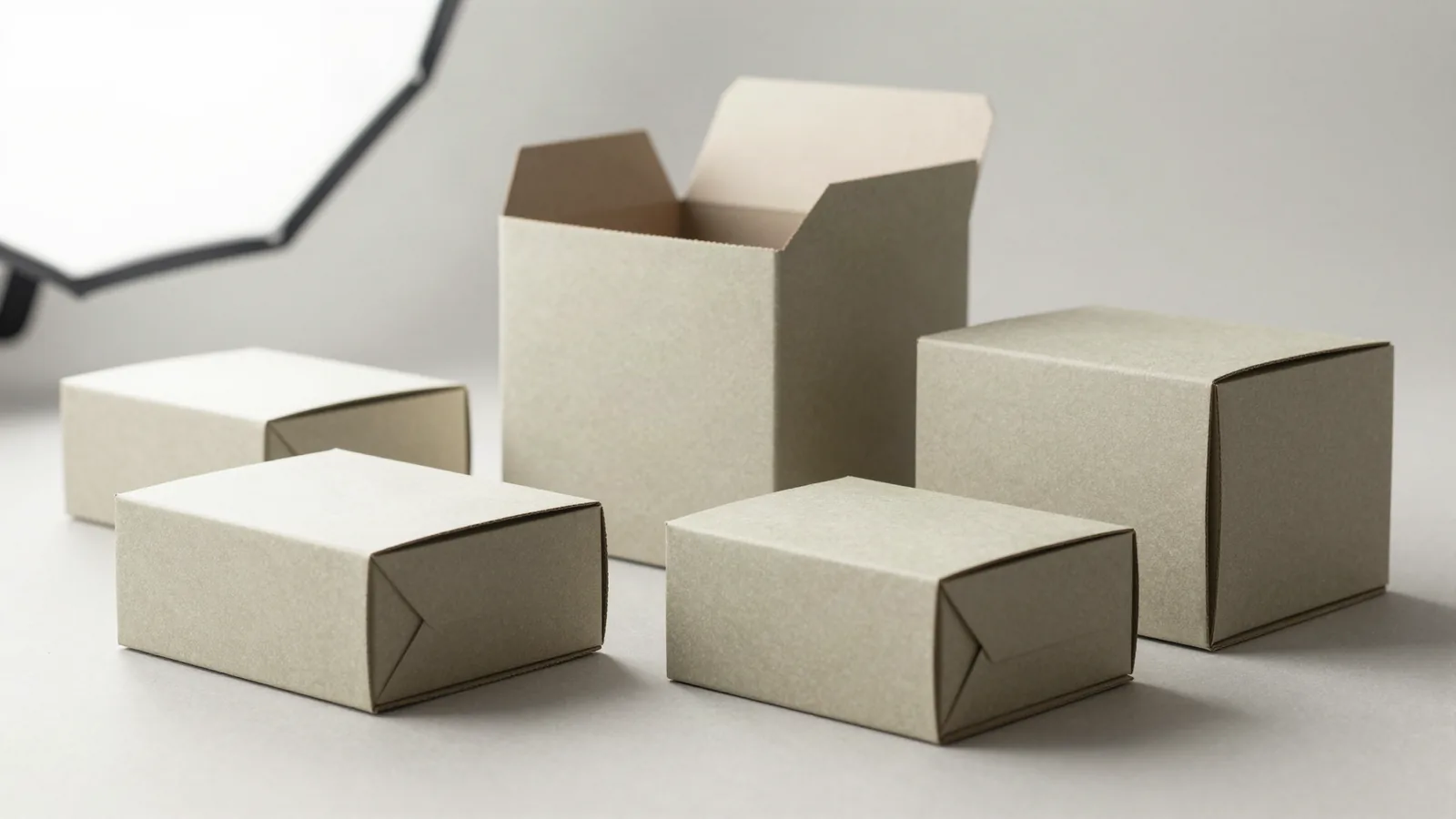
A folding carton with a top extraction opening is the most direct structure when the pack stays enclosed and the user pulls sheets from above. Other formats change the loading or refill action.
| Structure | Typical use | Check before approval |
|---|---|---|
| Folding carton with top opening | Enclosed tissue pack with extraction slot | One sheet exits without catching the next |
| Auto-lock bottom | Formed carton base | Base closes cleanly during loading |
| Sleeve | Printed layer over a tray | Sleeve clears the opening |
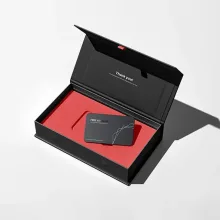
| Two-piece rigid | Countertop presentation | Lid clears the pack and slot |
| Drawer or slide | Refillable inner presentation | Inner section moves without disturbing the pack |
An auto-lock bottom can speed loading, but the closure direction still needs a physical check. A sleeve works when the tray or inner carton carries the pack and the sleeve does not cover the opening. Two-piece rigid and drawer or slide structures suit a box where refill access is part of the use, so test the lid or inner movement with the actual pack.
What paperboard and finish fit a tissue box?
SBS, C1S, and C2S paperboard at 12 to 24 pt are common folding-carton references. Kraft board at 18 to 24 pt is another common range. Rigid chipboard at 1.5 to 3 mm, wrapped in 100 to 157 gsm art paper, is used for a more substantial presentation structure. Select the caliper after checking pack weight, panel size, opening stiffness, and handling.
Offset CMYK suits detailed branding and line work. Digital print can suit shorter runs or version changes. Matte or gloss lamination changes sheen. Soft-touch adds a smoother surface feel. Spot UV, foil stamping, embossing, debossing, and window patching create localized visual or tactile effects. Put every finish on the proof, including the edge of the window and any area that must remain easy to read.
How large should the tissue dispenser opening be?
The opening size comes from the folded pack and pull action, not from a stock artwork shape. Pull sheets through the proposed slot with the actual tissue pack and check whether one sheet exits cleanly. Then check opening length, corner radius, top-panel stiffness, and finger clearance.
A PET window around 0.2 to 0.3 mm is a common clear-packaging reference when a visible panel is wanted. The window is separate from the dispensing slot, with its own edge, adhesive area, and fold clearance. If the box is refillable, include the refill path and lid motion in the proof. A window that looks good flat can still interfere with loading.
Which related packaging formats are useful references?
Custom votive candle boxes show how compact printed panels and closures can be planned. Custom white paper bags can carry the same visual system into a retail handoff. Custom woozy bottle boxes provide another example of a package built around a defined product footprint. These are reference formats, not substitutes for measuring the tissue pack.
What should I check before approving the box?
Approve the assembled sample only after the opening, pack fit, and visible panels work together. Check the top, front, side, and inner areas from the intended display direction.
- Measure the pack and overwrap inside the proposed footprint.
- Pull actual folded sheets through the slot.
- Check top-panel stiffness, lid overlap, folds, glue areas, and refill motion.
- Mark print coverage, finish locations, inner visibility, and clear opening space.
- Inspect the assembled carton from every intended display direction.
For the wider route, see custom packaging solutions. Custom Packaging Lane works from a 100-unit minimum, with pricing from $0.49 per unit at volume, quoted to spec. Production is typically 8 to 10 business days after proof approval, plus delivery. Free US shipping and free design support, including a free dieline, are available. The $19.99 sample kit is credited to the first order.
Frequently Asked Questions
How do I size a tissue dispenser opening?
The tissue pack and overwrap determine the dispenser opening, so measure the outside length, width, and depth first. Pull the actual folded sheets through a sample slot and check that one sheet exits without snagging the next. Review corner radius, finger clearance, top-panel stiffness, and nearby folds on the dieline.
Which paperboard is common for a folding tissue carton?
SBS, C1S, and C2S paperboard in the 12 to 24 pt range are common folding-carton references. Kraft board in the 18 to 24 pt range is another option. Rigid chipboard at 1.5 to 3 mm wrapped in 100 to 157 gsm art paper suits a more substantial structure. The pack and opening determine the final caliper.
Can a tissue box include a clear window?
A PET window around 0.2 to 0.3 mm is a common clear-packaging reference for a visible panel. The window is separate from the tissue dispensing slot and needs its own edge, adhesive area, and fold clearance. Test the assembled pack to confirm that the window does not interfere with loading, pulling, or refilling.
How should a tissue box proof show repeat use?
A tissue box proof should show the assembled carton with the lid or slot opened and closed several times. Check that the top panel stays flat, the opening remains clear, and the printed face avoids abrasion points. Mark the hand position, display direction, and any inner pack that remains visible during use.
Can a tissue carton fit into a wider retail set?
A tissue carton can share typography, color blocks, and finish choices with a paper bag, sleeve, or companion carton. Keep each item on its own dimensional plan. The tissue pack still controls the dispenser opening, while the related format should support the same visual system without changing the carton's practical use.