











































































Custom metal containers start with the contents and the closure. A tin can give a product a firm shell, but the lid, inside measurement, overlap, headspace, and insert still need to work together. Measure the packed contents before choosing a round, square, hinged, or separate-lid format.
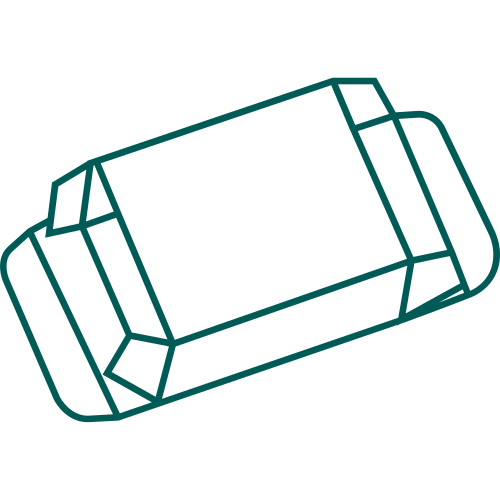
A dieline is the flat cutting template used to print, cut, and fold a secondary package. Metal containers do not use a folding-carton dieline for the shell, but a printed carton, sleeve, or insert around the container does. Review the complete packout, not the empty tin on its own.
What should a custom metal container hold?
The packed contents set the container footprint, lid clearance, headspace, and need for an insert. Check the widest point, tallest point, closure path, and any surface that could scuff against the metal wall. A set may need side-by-side cavities or a layered arrangement rather than one open space.
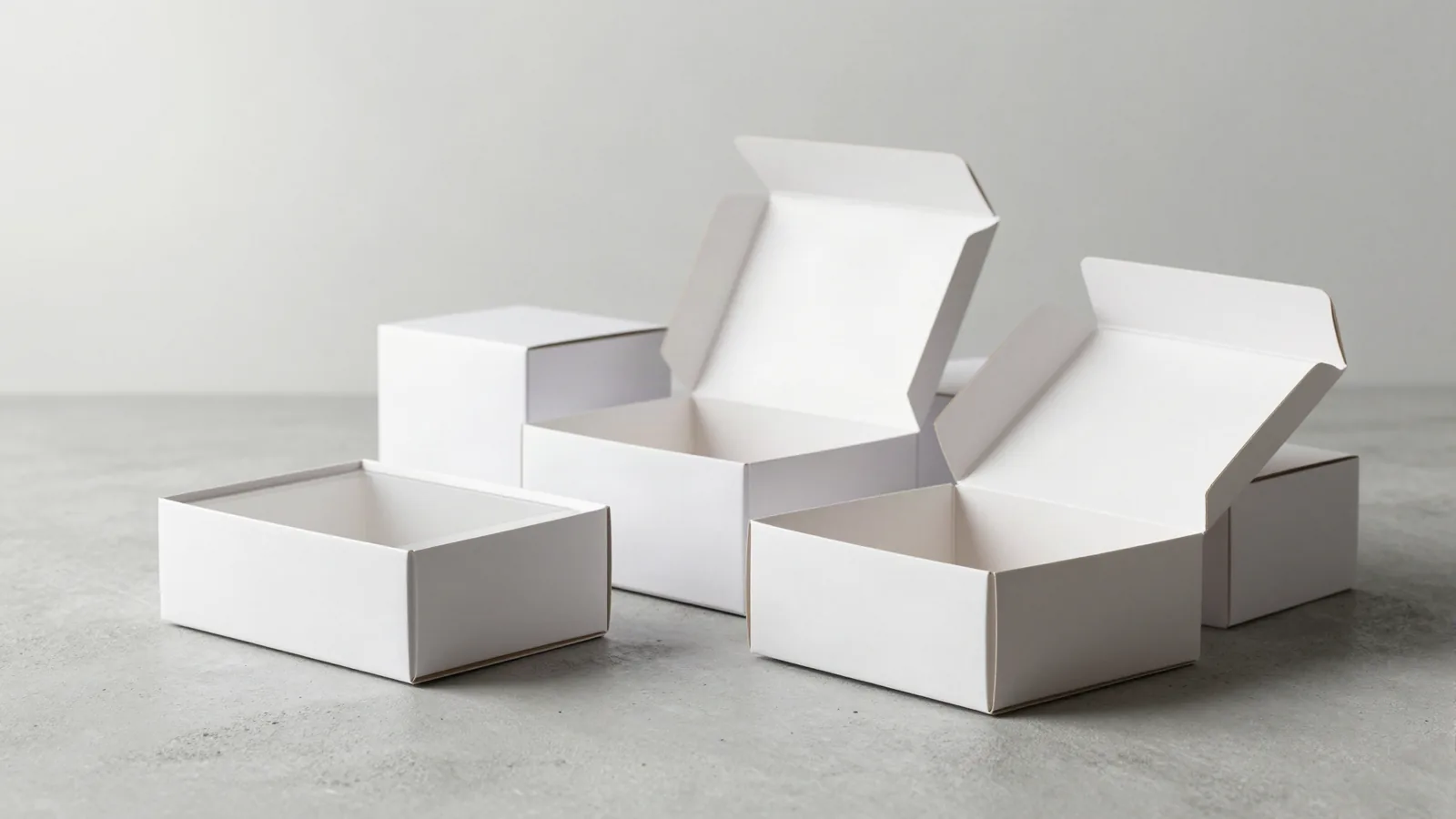
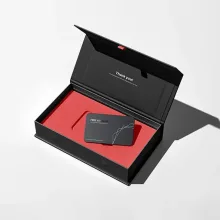
The secondary package has its own job. A tin can sit in a printed carton, travel in a gift set, or use a fitted insert that stops movement. When the contents rattle, the problem is usually inside the packout, not on the lid artwork.
Which tin format fits the opening?
Slip-lid, hinged-lid, and two-piece tins create different opening forces and alignment checks. A slip-lid needs the right friction. A hinged lid needs hinge clearance and alignment. A two-piece tin needs the lid overlap, base, stacking direction, and interior clearance checked together.
| Format | Useful direction | Primary review point |
|---|---|---|
| Slip-lid tin | Small accessories and giftable goods | Lid friction and opening force |
| Hinged-lid tin | Repeated access and keepsake use | Hinge clearance and lid alignment |
| Two-piece tin | Separate lid and base | Overlap, stacking, interior clearance |
| Metal container with insert | Items that can shift or scratch | Product shape and cavity support |
Match the inside to the product, then match the outside to the handling route. A decorative shape that ignores the closure path usually creates trouble during filling or delivery.
What outer carton should protect a metal container?
Common corrugated choices include E, B, and C flute construction, with flute thickness and stacking strength changing by grade. 32 ECT corrugated board is a common specification to discuss for shipping cartons, subject to packed weight and distribution conditions.
For US ground services, carriers calculate dimensional weight from length x width x height divided by 139. That formula makes the outer carton part of the shipping review. Measure the closed tin, insert, void fill, and carton together before deciding how much empty space the shipment can carry.
How are metal containers decorated?
Printed metal surfaces can carry broad color coverage, linework, or a restrained mark system. Matte or gloss coatings change glare and handling feel. Spot UV creates contrast on selected graphics, while foil stamping, embossing, and debossing add a tactile area when the container construction supports the treatment.
Seams, corners, hinges, and lid edges can affect registration and readability. Keep important type clear of those areas. Confirm the decoration on a physical sample because a flat art file cannot show how a finish behaves around a curved edge or moving lid.
Does Mylar belong in a metal-container package?
Mylar and foil laminate belong to flexible packaging, not every rigid tin. A typical laminate may use PET, AL, and PE layers. PET carries the printed surface, AL is the aluminum barrier layer, and PE provides the sealable inner layer. That construction decision is separate from a metal container and should be matched to the contents and opening method.
Do not use flexible-film terminology to describe the tin itself. If a product line needs both formats, review the container, pouch, closure, barrier, and decoration as separate packout decisions.
How should I pack a tin for delivery?
A fitted insert separates the contents from the metal walls and limits movement. Paperboard dividers can group several pieces. Custom foam can stabilize individual parts, but its cutout should follow the packed product shape rather than a nominal measurement alone.
Close the tin, load the insert, place it in the outer carton, add the intended void fill, and handle the full packout before approval. Check scuffing, lid alignment, rattling, label placement, and the outer-carton footprint in the same review.
Which CPL products can I compare with metal containers?
Custom metal tins with lids are the closest format reference. Custom woozy bottle boxes help compare an outer carton around a bottle. Custom votive candle boxes provide a printed folding-package reference. Use custom packaging solutions when the project needs a wider comparison across container and secondary-pack formats.
What should I send for a custom metal-container quote?
A quote needs the product dimensions, target container style, closure preference, decoration coverage, insert need, quantity, and delivery destination. Include the packed contents, headspace, lid overlap, and outer-carton plan when those details are known. CPL quotes custom metal containers to spec from a 100-unit minimum, with pricing from $0.49 per unit at volume, quoted to spec. Production is typically 8 to 10 business days after proof approval, plus delivery. Free US shipping, free design support, and a free dieline are available. The $19.99 sample kit is credited to the first order.
Frequently Asked Questions
What is a slip-lid tin?
A slip-lid tin uses a separate lid that slides over the container body. Its opening force depends on the lid fit, overlap, wall shape, and surface finish. Check friction, alignment, headspace, and the packed product together. A physical sample shows whether the lid opens cleanly without letting the contents move.
How much lid overlap should a tin have?
Tin lid overlap is set by the container design, wall construction, closure path, and required opening force. The correct overlap cannot be chosen from the lid artwork alone. Measure the closed container, check the interior headspace, and test the lid with the actual insert or contents before approving decoration.
When does a metal container need an insert?
A metal container needs an insert when the contents can rattle, scratch against the walls, touch each other, or arrive out of position. Paperboard dividers suit grouped items, while custom foam can hold individual pieces. Size the cavity around the packed product, then test the loaded container inside its outer carton.
Can a tin ship in a corrugated carton?
A tin can ship in a corrugated carton with an insert or void-fill plan that limits movement. E, B, and C flute constructions are common comparisons, and 32 ECT is a common board specification to discuss for shipping cartons. Check the closed tin, outer carton, packed weight, and delivery route as one system.
What is the difference between Mylar and a metal tin?
Mylar is a flexible film used in laminate structures, while a metal tin is a rigid container with its own lid, wall, and closure path. A typical flexible laminate may use PET, AL, and PE layers for printability, barrier, and sealability. Review the contents and opening method before choosing either format.