




























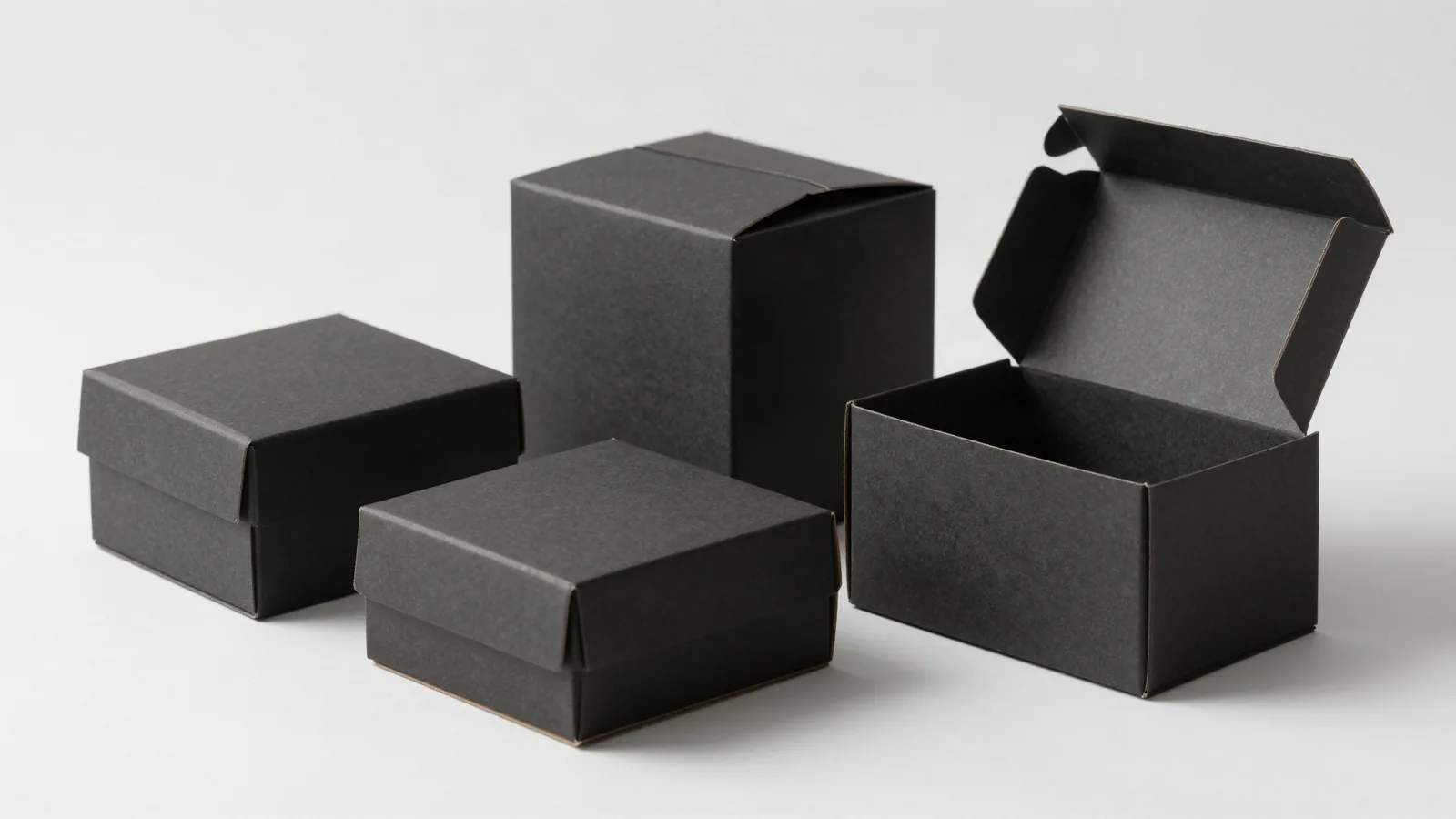





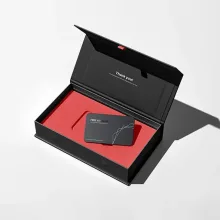












































A custom packaging warehouse project is a coordination problem. The package list may include retail cartons, tins, rigid boxes, inserts, and corrugated shippers, each with different materials and handling needs. Map the products, packed dimensions, variants, pack-out steps, display position, and delivery requirements before choosing structures. A dieline is the flat cutting template used to print, cut, crease, and assemble each package.
What should a custom packaging warehouse program solve?
The starting map is product, package, variant, packed dimensions, handling step, and destination. Board caliper changes folded volume. Rigid construction changes storage footprint. An insert can reduce the usable cavity, while an outer shipper has to survive picking, packing, stacking, and parcel movement. If a package may touch food, ask about food-contact options for your product.
Which structures belong in a mixed product program?
Mixed warehouse programs usually compare folding cartons for retail, rigid boxes for firm presentation, corrugated shippers for parcel movement, and tins for a formed reusable shell.
| Packaging type | Common construction | Warehouse question |
|---|---|---|
| Printed paperboard carton | SBS, C1S, or C2S paperboard, commonly 12 to 24 pt | Will it fold, display, or enter a larger shipper? |
| Rigid presentation box | 1.5 to 3 mm chipboard wrapped in 100 to 157 gsm art paper | Does the product need firm walls and a defined opening? |
| Corrugated shipper | E, B, or C flute, with 32 ECT as a common specification | What stacking and parcel conditions must it handle? |
| Metal tin | Formed tinplate body with a fitted lid or closure | Does the pack need repeated opening and a durable shell? |
Use real catalog pages to anchor the list: custom tin packaging, custom taper candle packaging, and custom stevia packaging. For smaller parts or component sets, compare custom screw packaging and custom drone packaging boxes.
How do materials affect warehouse handling?
Paperboard caliper changes stiffness, fold behavior, panel registration, and the space taken by flat or assembled cartons. SBS, C1S, and C2S boards are common when a clean print surface matters. Kraft board commonly sits in the 18 to 24 pt range and has a different surface. Rigid chipboard adds wall strength, but it also adds weight and storage volume.
Corrugated flute is the shaped paper profile inside a corrugated board. E flute has a finer profile and can suit small retail packs and printed surfaces. B flute gives a broader balance of cushioning and stacking behavior. C flute is thicker and can suit larger or more protective shippers. A 32 ECT edge crush test specification is a common strength reference, but box dimensions, pack-out, and stacking pattern still matter.
How should print and finishes be controlled across variants?
Offset CMYK is common for detailed paperboard graphics, flexographic printing is common for corrugated cases, and digital printing suits short runs or test versions. Matte or gloss lamination changes surface reflection. Soft-touch changes hand feel. Spot UV, foil stamping, embossing, and debossing create localized surface changes.
Keep product identifiers, variant names, and pack-out notes consistent across artwork files. Separate structural versions from artwork versions during proof review. Use file names that carry product, size, finish, and quantity so similar cartons, inserts, sleeves, or labels do not get mixed during packing. Keep type, barcodes, glue areas, windows, and small marks away from scores and seams.
What should I send for a warehouse packaging quote?
A warehouse packaging quote needs product dimensions, packed dimensions, structure, material direction, finish, print requirements, quantity by variant, artwork status, delivery location, storage constraints, and pack-out.
State whether each package is for retail display, parcel shipping, or both. Include how the product is inserted, where the insert touches, how the closure clears, and how the outside shipper will be stacked. The wholesale custom packaging hub is the right companion when several formats need to be coordinated.
Custom Packaging Lane quotes warehouse packaging from a 100-unit minimum, with pricing from $0.49 per unit at volume, quoted to spec. Production is typically 8 to 10 business days after proof approval, plus delivery. Free US shipping, free design support, and a free dieline are available. Order the $19.99 sample kit, which is credited to the first order.
Frequently Asked Questions
How is a packaging supplier different from a storage warehouse?
A packaging supplier defines and coordinates the package itself, including materials, structures, artwork, dielines, samples, quantities, and delivery requirements. A storage warehouse primarily holds finished goods. Clarify whether the project needs packaging production, inventory storage, fulfillment, or a combined workflow, then map the product count, pack-out steps, replenishment pattern, and destination.
Which board is common for printed retail cartons?
SBS, C1S, and C2S paperboard are common references for printed retail cartons, with a general caliper range of 12 to 24 pt. Heavier board adds stiffness and can change folded volume. The final choice also depends on product weight, dieline geometry, folding method, print coverage, finish, closure, and warehouse handling.
What corrugated flute should I compare for shipping packaging?
E, B, and C flutes are common corrugated profiles. E flute has a finer profile and print surface, B flute balances cushioning and stacking behavior, and C flute is thicker for larger or more protective shippers. A 32 ECT edge crush test specification is a common reference, but box dimensions, pack-out, and stacking conditions still control the result.
Which warehouse details prevent a pack-out mix-up?
Warehouse teams should provide product and packed dimensions, structure, material, finish, print requirements, quantity by variant, artwork status, delivery location, storage limits, and pack-out details. State whether each package is for retail display, parcel shipping, or both. If a package may touch food, ask about food-contact options for your product.
What should a warehouse team check before artwork approval?
A warehouse team should check product identifiers, variant names, pack-out notes, scores, glue areas, windows, seams, barcodes, closure clearance, and insert contact before artwork approval. Separate structural versions from artwork versions and load the actual product into the sample. Those checks catch mix-ups, fit problems, and packing issues before a production run.