



























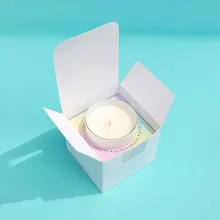





































Custom printed Chinese take-out boxes need a structural plan before the artwork is drawn. The familiar form depends on folded panels, a peaked gable top, a carry handle, and a locking closure. The contents, inside space, print coverage, material direction, and intended handling belong in one brief. If the package may touch food, ask us about food-contact options for your product before the material and artwork plan is finalized.
What is a custom printed Chinese take-out box?
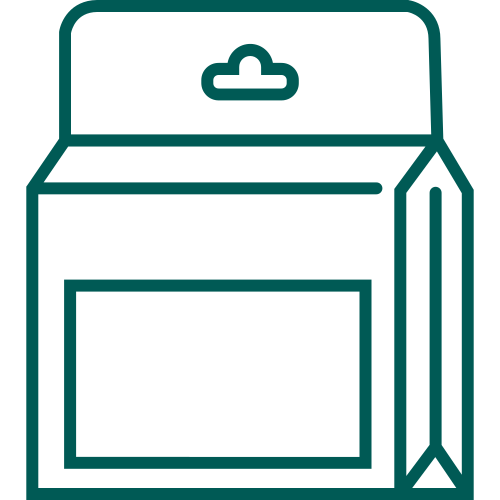
A custom printed Chinese take-out box is a folded package with a gable-style top, a carry handle, and a closing system formed by die-cut panels and scored folds. The printed surface can carry a logo, menu information, pattern, or selected finish. State the inside length, width, and depth, the opening direction, the handle position, and the lock appearance after assembly. A flat file that looks balanced can still put a logo on the wrong panel once the box is folded.
Which structure is used for a take-out box?
The peaked top creates both the handle and the closure, so the top panels deserve the first structural check. The dieline should show side panels, top peaks, the carry opening, lock tabs, scores, cut edges, and glue areas. Confirm the contents and the way the box will be carried before the structure is final. Keep the handle opening clear of small type and keep the main front panel readable after the top is closed.
| Format | Common construction | What to confirm |
|---|---|---|
| Gable take-out box | Folded paperboard panels with a peaked top and locking handle | Inside space, carry opening, closure, and panel order |
| Take-out bag | Flexible bag format with a separate printed surface | Handle, packed width, grouping, and item position |
| Rigid printed outer box | Chipboard commonly 1.5 to 3 mm wrapped in 100 to 157 gsm art paper | Whether the rigid layer is an outer presentation package |
| Printed sleeve | SBS, C1S, or C2S paperboard, commonly 12 to 24 pt | How the sleeve fits over the inner package |
Which paperboard and material ranges should I compare?
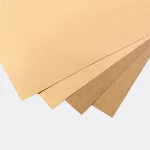
General packaging practice compares SBS, C1S, and C2S paperboard in the 12 to 24 pt range with kraft board around 18 to 24 pt. Kraft changes the visual base and surface direction. SBS-family boards give a different print surface, especially when broad ink coverage or fine type is involved. For any direct food-contact use, ask us about food-contact options for your product. A paperboard range or finish description does not by itself answer the contact question.
How should the dieline account for carry and closure?
State take-out box dimensions as length x width x depth and use inside measurements for the product space. About 1/16 in, or 1.5 mm, is a common drafting tolerance, but the contents, fold sequence, and closure still determine the working clearance. Include the handle opening, folded locking panels, scores, glue tabs, and space around the contents. An insert cut to the exact product size can stop movement, while an insert with too much room lets the product rattle.
How should printing and finish be specified?
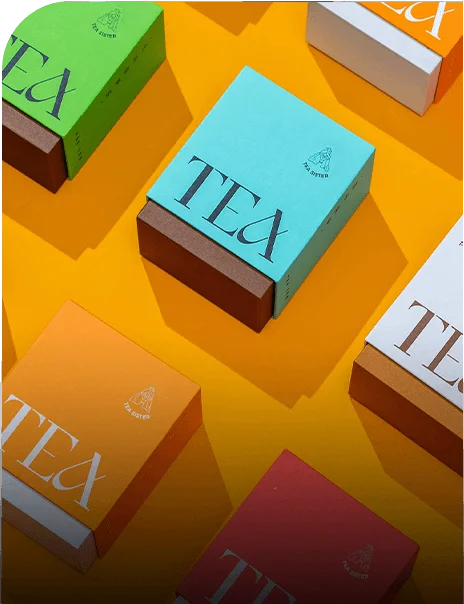
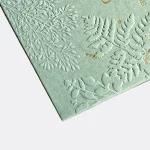
Offset CMYK is a common choice for detailed paperboard artwork. Digital printing can suit short runs or artwork testing, while flexographic printing is commonly associated with corrugated outer shippers. State whether the design covers every panel, only the front, or the handle area as well. Matte or gloss lamination changes the surface, soft-touch changes the tactile direction, and spot UV, foil stamping, embossing, or debossing can draw attention to selected panels.
If the package needs a window, PET film around 0.2 to 0.3 mm is a common reference. Place the window on a flat panel away from the handle and main folds. Keep type away from scores and glue areas. Check low-resolution art, RGB conversion, bleed, barcode placement, and panel order in the digital proof before the file is released.
Should I compare a box with a take-out bag?
Compare the box and bag by carrying method, grouping needs, printed surface, and packed shape. The custom Chinese food boxes page is the closest product reference for the gable format. Take-out bags handle grouped items differently from a die-cut box. Custom printed macaron packaging boxes provide a compact printed presentation reference, while rigid printed boxes show a fixed outer form. Keep the product and delivery assumptions consistent when comparing formats.
What should I send with the artwork?
- Provide the contents, inside dimensions, and intended arrangement.
- Identify the gable, sleeve, bag, or rigid structure under consideration.
- Mark the handle, lock tabs, folds, glue areas, and display panels.
- State the board or material direction and finish request.
- Include the delivery location and planned quantity.
What should I confirm before approving the take-out box?
Confirm the contents, inside measurements, preferred structure, artwork status, print coverage, finish direction, quantity, and delivery location. For any package that touches food, ask us about food-contact options for your product. Custom Packaging Lane quotes custom printed Chinese take-out boxes from a 100-unit minimum. Pricing is from $0.49 per unit at volume, quoted to spec. Production is typically 8 to 10 business days after proof approval, plus delivery. Free US shipping, free design support, and a free dieline are available. The $19.99 sample kit is credited to the first order. For broader small-business planning, use custom packaging for small business.
Frequently Asked Questions
What is a gable take-out box?
A gable take-out box is a folded paperboard structure with a peaked top, carry handle, and locking closure. The shape comes from die-cut panels and scored folds. The brief should confirm inside measurements, contents, opening direction, handle opening, and lock tabs. For direct food contact, ask about food-contact options for the product.
Should I choose kraft board or SBS paperboard?
Kraft board is commonly compared around 18 to 24 pt, while SBS, C1S, and C2S paperboard are commonly discussed in the 12 to 24 pt range. Kraft changes the visual base and surface direction. SBS-family boards provide a different print surface. Choose with the gable structure, ink coverage, finish, and contact requirements.
Can take-out artwork use digital printing?
Digital printing can suit short runs or artwork testing, while offset CMYK is a common reference for detailed paperboard artwork. Flexographic printing is more commonly associated with corrugated outer shippers. Keep handle openings, lock tabs, folds, glue areas, and required text clear on the dieline.
How should a take-out box be measured?
A take-out box should be specified as length x width x depth, with inside measurements used for the product space. About 1/16 in, or 1.5 mm, is a common drafting tolerance, but the contents and closure control the working allowance. Include the carry handle, folded locking panels, insert, and any wrap in the physical reference.
What other packaging should I compare with a take-out box?
A gable box can be compared with a take-out bag, sleeve, or rigid outer box when the carrying method or presentation changes. A bag groups items differently from a die-cut box, while a rigid format holds a fixed shape. Keep the same product, artwork scope, pack-out, and delivery assumptions when comparing formats.