





































































What should Philadelphia buyers plan for custom printed packaging?
The first useful file is a product brief with the item, filled dimensions, sales setting, storage conditions, and delivery path. Philadelphia does not change the engineering work. The package still needs a measured fit, a structure that matches the handling, readable artwork, and a closure that behaves the same way from the first unit to the last.
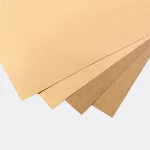
Paperboard cartons often use SBS or C1S when the print surface needs to be smooth and detailed. A general paperboard reference is 12 to 24 pt. Kraft board around 18 to 24 pt gives the package a different surface and stiffness. Shipping formats bring corrugated choices into the brief. E, B, and C flutes have different profiles, and 32 ECT is a common strength reference. These are industry references, not a fixed quote specification.
Which printed format fits the product?
A folding carton fits compact retail products when several panels need to carry information and the package can ship flat. A tin changes the substrate, lid fit, and opening feel. A mylar bag is a flexible laminate, often discussed as PET, AL, and PE layers. A sleeve wraps an inner package. A mailer has to close around the product and tolerate parcel handling.
| Format | Common packaging role | Planning check |
|---|---|---|
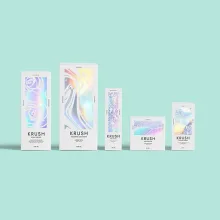
| Folding carton | Retail presentation for compact products | Keep art clear across creases, tucks, and glue flaps |
| Tin packaging | Reusable or durable presentation | Check the metal surface, lid fit, and printable area |
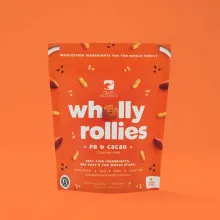
| Mylar bag | Flexible pack with a barrier-style laminate | Confirm PET, AL, and PE layer direction |
| Sleeve | Printed wrap around an inner container | Leave clearance for sliding and removal |
| Mailer | Printed outer pack for parcel movement | Check closure, board strength, and outside dimensions |
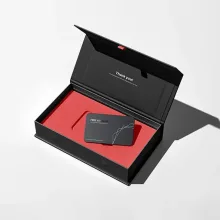
Folding cartons can use straight tuck, reverse tuck, auto-lock, or crash-lock structures. The right one depends on how the pack is filled and opened. A sleeve may carry the brand while the inner container does the holding. A mailer has a second job: it must arrive with the closure intact.
How should I adapt artwork for a printed package?
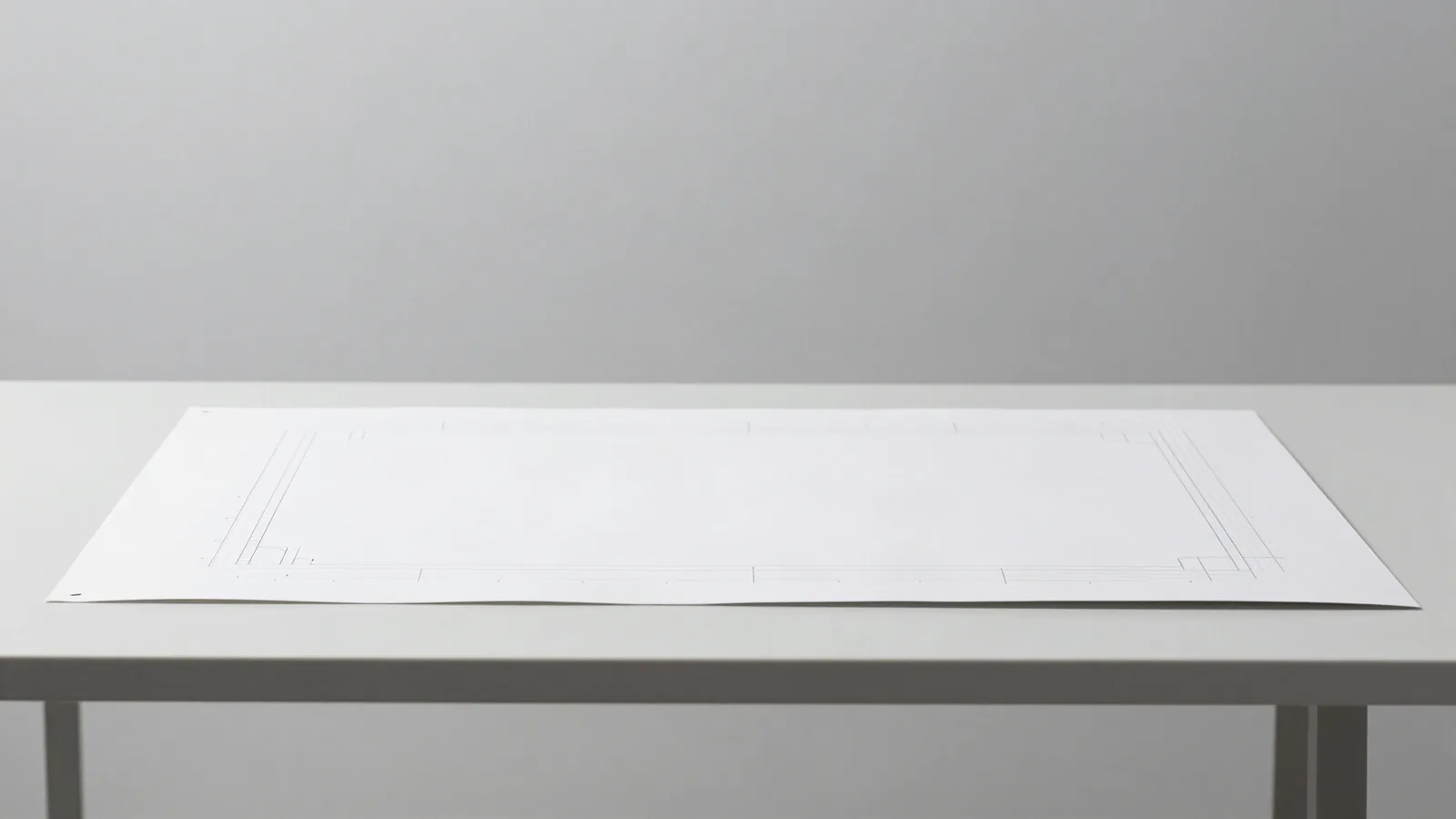
A dieline is the flat cutting template that shows the panels, bleed, scores, cuts, and glue areas before a package is made. Use the approved dieline as the source of truth. Offset CMYK is common for detailed paperboard artwork. Flexo is commonly associated with corrugated packaging, while digital printing can suit short-run development or artwork tests.
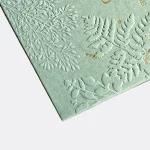
Check the file before the proof. Low-resolution art can soften at final size. RGB art can shift when converted for press. Type placed too close to a score can bend across a fold, and missing bleed can leave a thin unprinted edge. Matte or gloss lamination changes reflectivity. Soft-touch changes the feel. Spot UV, foil stamping, embossing, and debossing each need their own marked area. Read the proof at normal handling distance, rather than at a large screen size.
What dimensions and shipping details matter?
Inside dimensions control fit, so state length x width x depth and say whether the figures are inside or outside measurements. About 1/16 in (1.5 mm) is a common packaging tolerance reference, but the assembled sample is the check that catches a tight tuck, a loose sleeve, or a product that rattles.
Stand-up pouches are commonly discussed in widths from 3 to 7.5 in, but the finished width depends on fill volume, seal area, gusset behavior, and how the pouch must stand or hang. For parcel planning, US ground dimensional weight commonly uses L x W x H / 139. That carrier convention is not a final quote. A mailer with unnecessary empty space can cost more to move, while an undersized pack can damage the product or fight the closure.
If the design needs product visibility, PET window material around 0.2 to 0.3 mm is a common reference. Window patching must be planned around folds, cuts, and artwork. Check it on the assembled pack.
Which Philadelphia packaging examples should I compare?
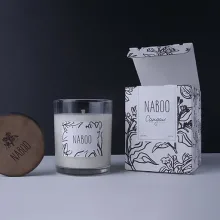
Four product formats show the main tradeoffs. Compare custom printed macaron packaging boxes for a detailed carton structure, custom printed mylar bags for flexible packaging, and custom tin packaging for a metal format. Custom taper candle packaging is useful when a taller product changes the proportions. The custom packaging solutions page gives a wider format comparison.
How do I prepare a local packaging brief?
A useful brief fits on one page and gives the supplier enough information to draw the structure without guessing.
- Describe the product, quantity, filled dimensions, loading direction, storage, and delivery path.
- Choose the format and substrate before locking the artwork treatment.
- Mark print-critical panels, seals, folds, windows, barcodes, and opening instructions.
- Check the physical sample for color, fit, closure, protection, and handling.
Custom Packaging Lane quotes custom printed packaging Philadelphia projects from a 100-unit minimum, from $0.49 per unit at volume, quoted to spec. Production is typically 8 to 10 business days after proof approval, plus delivery. Free US shipping and free design support are available, including a free dieline. Order the $19.99 sample kit, which is credited to the first order, before approving a proof when the surface or structure needs a physical check.
Frequently Asked Questions
Does Philadelphia location change the packaging specifications?
Philadelphia location does not change the core packaging specification. Product fit, board choice, print process, closure, shipping dimensions, and artwork clearance still control the job. A Philadelphia project can use a folding carton, tin, flexible bag, sleeve, or mailer. The brief should describe the delivery path and handling method so the structure matches actual handling.
Which printing process fits custom packaging?
Offset CMYK is common for detailed paperboard artwork, flexo is commonly associated with corrugated packaging, and digital printing can suit short-run development. Flexible packaging adds a laminate and seal check. The suitable process depends on the substrate, artwork, quantity, and finish. A proof or sample gives a better check than a screen image alone.
What should I know about printed mylar packaging?
Printed mylar packaging is a flexible laminate commonly discussed with PET, AL, and PE layers. Layer order affects appearance, barrier behavior, sealing, and artwork placement. Confirm the layer direction and seal zones with the supplier. Keep important copy away from the edges, then inspect a filled sample for standing, handling, and readability.
How should I estimate mailer shipping dimensions?
Mailer shipping dimensions should use the assembled outside length, width, and height for parcel planning. US ground dimensional weight commonly uses L x W x H / 139, which is a carrier convention rather than a final shipping quote. Check the inside fit at the same time, because reducing outside size cannot create product movement or a weak closure.
Should I test color on the actual packaging substrate?
Color should be checked on the actual packaging substrate before production. Paperboard, metal, and flexible laminate can show the same file differently because surface and reflectivity change. Check small type, panel alignment, folds, seals, finish areas, foil, spot UV, and any window on the proof and assembled sample, rather than on a large monitor.