
































































Baklawa packaging begins with the pastry's shape after filling, not with the artwork. Syrup, nuts, toppings, and layered surfaces need a layout that limits sliding and keeps the top piece clear of the lid. Decide whether the box holds individual pieces, a slab, assorted compartments, or a gift presentation. If any layer may touch the pastry, ask us about food-contact options for your product.
What should a baklawa box protect?
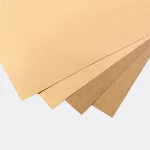
A supported interior is what keeps syrup-coated pieces from meeting the lid. SBS or C1S paperboard, with C1S meaning a coated surface on one side, commonly falls in the 12 to 24 pt range for folding cartons. Kraft board commonly falls in the 18 to 24 pt range. For a heavier gift format, rigid chipboard commonly measures 1.5 to 3 mm and can be wrapped in 100 to 157 gsm art paper. These are general industry references, so the filled arrangement still decides the construction.
Which structure fits a baklawa gift box?
A sleeve over tray keeps the assortment aligned, while the sleeve carries the outside artwork.
| Structure | Useful application | Design consideration |
|---|---|---|
| Sleeve over tray | Assorted pieces | Tray positions, sleeve clearance, and outer reveal |
| Two-piece rigid | Gift presentation | Separate lid and base, interior support, and opening path |
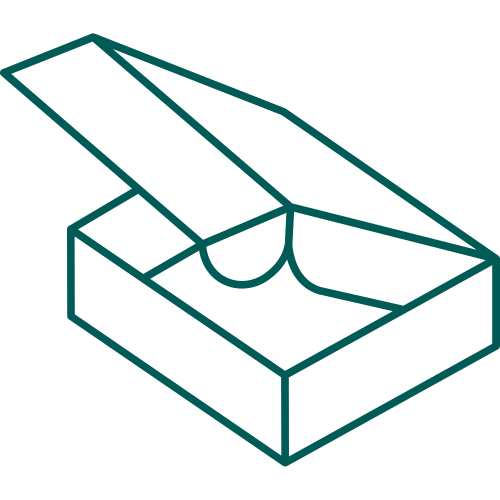
| Mailer | Parcel delivery | Internal restraint, closure, and movement through handling |
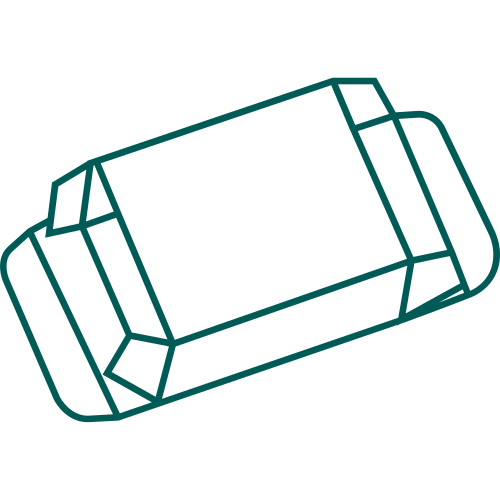
| Auto-lock bottom | Retail or takeaway | Base setup, tray clearance, and repeated loading |
Common box structures include straight tuck end, reverse tuck end, auto-lock bottom, crash-lock, sleeve, and two-piece rigid. A roll end tuck top mailer, often discussed with FEFCO 0427, is a folding mailer reference for parcel-oriented packaging. Choose the structure after mapping the pieces, tray, closure, and opening path together. The insert cannot be judged separately from the lid or base.
How should the insert hold each piece?
The loaded fit is set by inside length x width x depth, not the flat artwork size. A common packaging tolerance convention is about 1/16 inch, or 1.5 mm, around the intended fit. Test the actual pastry with its tray, liner, or insert. A divider can separate flavors or toppings, while a removable tray can make an assortment easier to lift. The support should limit sliding without compressing delicate edges.
For delivery, record packed outside length x width x height as well as the packed weight. Dimensional weight is a carrier planning method based on package cube. A common US ground convention is L x W x H / 139. Use it to compare a compact folding carton, a rigid gift box, and a protected mailer before the outside dimensions are fixed.
Which finishes make sense on a baklawa gift carton?
Matte lamination reduces glare on a dark panel, while gloss gives the print a brighter surface. Offset CMYK is the standard four-color process commonly used for pastry photography, ornament, and repeatable brand color on paperboard. Digital printing can suit short runs or artwork testing, while flexo is commonly used for corrugated shipping formats. Soft-touch changes the hand feel.
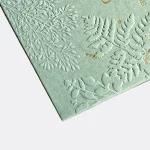
Spot UV can isolate a logo or border. Foil stamping can add a metallic accent to a gift panel. Embossing and debossing create tactile detail, but small type should be checked at finished size. A PET window, meaning a clear plastic film panel, commonly falls around 0.2 to 0.3 mm. Plan the window patching edge with the copy, scores, lid, and insert. If the package directly holds the pastry, ask us about food-contact options for your product.
What should a baklawa box proof show?
A proof must show the actual piece layout and the folds around it. Check the tray or liner against the inside measurements, then inspect lid clearance, insert position, panel order, and opening action. Low-resolution art can soften small type. RGB files can shift during press conversion. Keep type away from scores, leave bleed outside the cut line, and check that foil, embossing, debossing, spot UV, or the window does not cross a fold.
The custom packaging design hub can organize the dieline and proof conversation. Catalog references include chocolate tin box packaging for gift presentation, custom foam box inserts for defined positioning, and wine box packaging for a structured opening reference.
Custom Packaging Lane quotes baklawa box programs from a 100-unit minimum, with pricing from $0.49 per unit at volume, quoted to spec. Production is typically 8 to 10 business days after proof approval, plus delivery. Free US shipping, free design support, and a free dieline are available. The $19.99 sample kit is credited to the first order. Request the sample kit when fit, finish, and handling need a physical check.
Frequently Asked Questions
How much room should a baklawa insert leave?
A baklawa insert should be sized around the actual piece, tray, and liner, with about 1/16 inch, or 1.5 mm, used as a common tolerance reference. Check the fit from above and from the side. The support should limit sliding without pressing syrup-coated edges against the lid or adjacent pieces.
Which board is common for gift pastry packaging?
SBS, C1S, or C2S paperboard in the 12 to 24 pt range is a common folding-carton reference. Kraft board is commonly 18 to 24 pt. A rigid gift structure may use chipboard at 1.5 to 3 mm wrapped in 100 to 157 gsm art paper. Choose after testing the filled arrangement and closure.
What is a PET window on a baklawa box?
A PET window is a clear film panel patched into the box so part of the baklawa arrangement can be seen before opening. PET window film commonly falls around 0.2 to 0.3 mm. Leave room for the patching edge, copy, scores, and the insert, then inspect the closed box from the buyer's viewing angle.
Does a baklawa box need rigid construction?
A rigid box is one option, not a requirement for every baklawa package. A folding carton with a tray can suit retail or takeaway, while a two-piece rigid box changes the lid, base, storage, and opening sequence. A mailer can suit parcel delivery when the interior includes restraint for movement.
What should the physical sample check?
A physical baklawa sample should be checked with the actual pieces, tray or liner, insert, lid clearance, opening action, window position, and printed panels. Look for sliding, compression, syrup contact with the lid, folds crossing artwork, and copy too close to scores. The sample is a fit check, not only a color check.