




























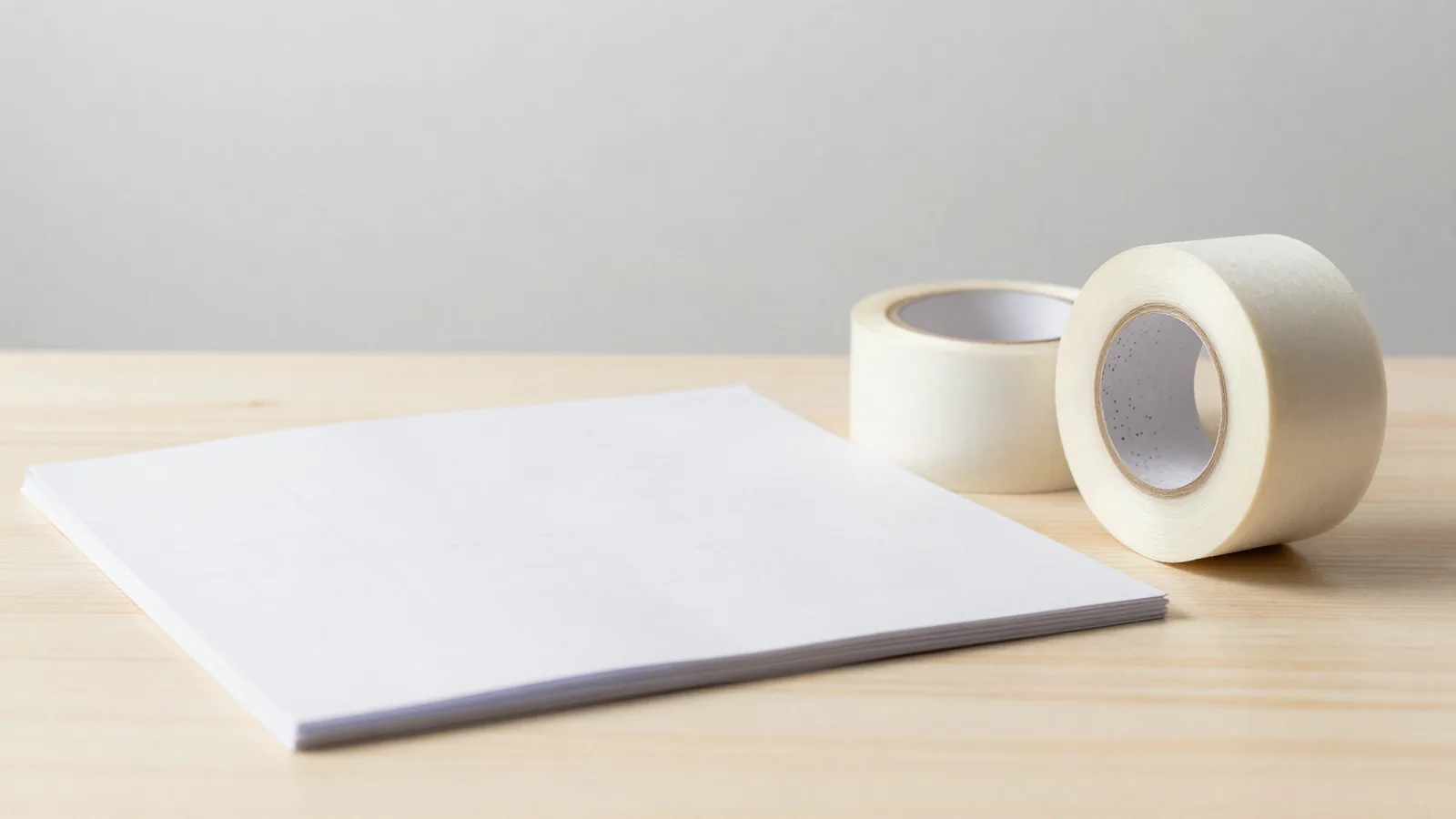




















































A tape closure bag uses an adhesive strip on a flap that folds over a receiving surface. That closure differs from a zipper, tin tie, or heat seal, so the request has to name the top construction before the logo file is drawn. A dieline is the flat cutting template that marks cuts, scores, folds, seams, windows, seals, and safe artwork zones.
What should a tape closure bag specification include?
The flap is the measurement that disappears when a brief lists only width and height. Describe the front, back, gusset if present, flap, closure zone, and any window. State whether the bag is flat, pillow-shaped, or intended to stand. The artwork must leave room for the adhesive flap, fold, seam, and opening path. The custom printed mylar bags page gives a laminate reference, while printed paper bags show a paper direction.
Which bag materials and closures should I compare?
Paper gives the bag a foldable print surface, while a PET, AL, and PE laminate creates a different seal and barrier plan. A barrier is the package's resistance to light, moisture, or odor movement. The layer order, inner seal surface, paper grade, and closure should appear together in the quote.
| Bag direction | Material reference | Closure or design question |
|---|---|---|
| Tape closure flat bag | Paper or flexible film selected to spec | Where does the adhesive flap fold, and what surface remains printable? |
| Mylar or foil laminate bag | PET / AL / PE layers | Does the laminate direction match the artwork and filled shape? |
| Paper bag with window | Paper structure with a PET window | Is the window patching area clear of folds and the tape flap? |
| Reusable textile bag | Non-woven polypropylene or cotton canvas | Is the closure actually tape, or should the brief name another opening? |
A PET window is commonly specified around 0.2 to 0.3 mm, but its location, patching method, and surrounding material still need confirmation. Non-woven polypropylene is commonly around 80 to 120 gsm, where GSM means grams per square meter. Cotton canvas is commonly around 8 to 12 oz. For food-related use, ask us about food-contact options rather than judging suitability from appearance.
How wide should a stand-up or filled bag be?
A filled product can push the sides outward, so outside width must stay separate from product width. Stand-up pouches commonly run about 3 to 7.5 in wide, which is a useful industry reference for early comparison. A tape closure bag may be narrower, wider, flat, or shaped differently. State the bag as width x height and add gusset depth or flap length where applicable.
How do print and finish change the bag surface?
A matte laminate cuts reflected light, while gloss raises surface sheen; both change how small type reads. Digital printing can suit short runs or artwork testing, while offset CMYK is common for detailed paperboard components that accompany a bag. Soft-touch, spot UV, foil stamping, embossing, and debossing each change the surface in a different way, and the material has to support the effect.
Mark the printed panels, closure-safe zone, window, seam, and unprinted area on the dieline. Leave bleed beyond the cut line, keep type away from scores and folds, and check RGB art after conversion for press. Window patching is a separate production step, so it belongs in the request rather than in a last-minute artwork note.
How is tape closure different from a tin tie or zipper?
An adhesive flap folds over a receiving surface; a tin tie bends closed, and a zipper engages along a track. Those openings change how a packer fills the bag, where the user grips it, and how the printed face presents after closing. Name the intended closure instead of using resealable as a general label. The seal, flap, fold, and artwork-safe area should describe the same opening sequence.
Which product references can help test a bag direction?
The catalog pages separate paper carry formats from film bags and folded closures. Review custom white paper bags for a clean paper surface, custom tin-tie kraft bags for the closure distinction, custom smell-proof mylar bags for a flexible-film reference, and custom shopping bags when the job is a carry bag rather than a sealed product bag.
What should I send for a tape closure bag quote?
The filled product and opening sequence belong at the top of the request. Send:
- Product dimensions, fill level, orientation, and desired opening sequence.
- Bag width, height, gusset, flap, seam, window, and closure-safe zones.
- Paper, film, laminate, textile, or other material direction.
- Print panels, color coverage, finish, window patching, and unprinted areas.
- Quantity, delivery location, and any food-contact question for review.
Custom Packaging Lane is a US-based packaging supplier. Quotes are made to spec from a 100-unit minimum, with pricing from $0.49 per unit at volume. Production is typically 8 to 10 business days after proof approval, plus delivery. Free US shipping, free design support, and a free dieline are available. The $19.99 sample kit is credited to the first order. Compare custom packaging design when the bag needs coordinated artwork and structure.
Frequently Asked Questions
What does tape closure mean on a bag?
A tape closure bag normally uses an adhesive strip on a flap that folds over a receiving surface. The flap controls the top fold, printable area, and opening path. Name the filled size, flap length, seal or seam, and artwork-safe area so the closure does not cut through the logo or product information.
Can a printed bag have a clear window?
A printed bag can include a window when the material combination and patching method support it. State the window location, approximate size, PET direction, and space needed around folds, seams, and the tape flap. A PET window is commonly around 0.2 to 0.3 mm, but the final construction still needs review.
Should dimensions describe the product or the finished bag?
A bag request should separate product dimensions from finished bag dimensions. Include the product width, height, depth or fill profile, desired filled size, opening width, flap length, and gusset if present. Flexible material changes shape after loading, so the filled condition matters more than a flat measurement alone.
When should I choose a zipper instead of tape closure?
Choose a zipper when the opening needs a track that the user can open and close repeatedly. Tape closure uses an adhesive flap and a different fold sequence, while a tin tie bends closed. Compare the fill opening, grip area, artwork-safe zone, and reclosure action before naming the final top construction.
What belongs on the proof for a tape closure bag?
A tape closure bag proof should show front and back orientation, seam, flap fold, closure-safe area, opening width, filled dimensions, window position, and artwork that remains readable after folding. Check colors and finish zones on the intended material. Confirm whether the proof shows the empty bag or filled bag, since loading changes its shape.












