



























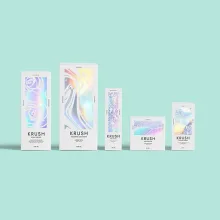
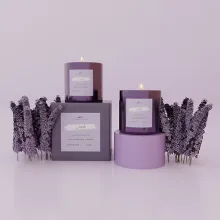
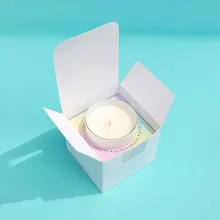






































Tinplate is steel sheet with a protective tin coating, formed into a metal container with a base and lid. A custom tinplate box suits products that need a structured shell and repeat opening. Define the product footprint, lid motion, internal clearance, stacking position, and whether the tin is primary or secondary packaging. Hinged lids, slip-fit lids, shallow trays, and shaped bodies each change the fit check.
Measure the inside, not only the outside. A common fit convention allows about 1/16 in, or 1.5 mm, for tolerance and production variation. If the product should not sit directly against the metal, specify a paperboard insert, liner, or inner pouch as part of the complete package.
Which tinplate shape and lid fit the product?
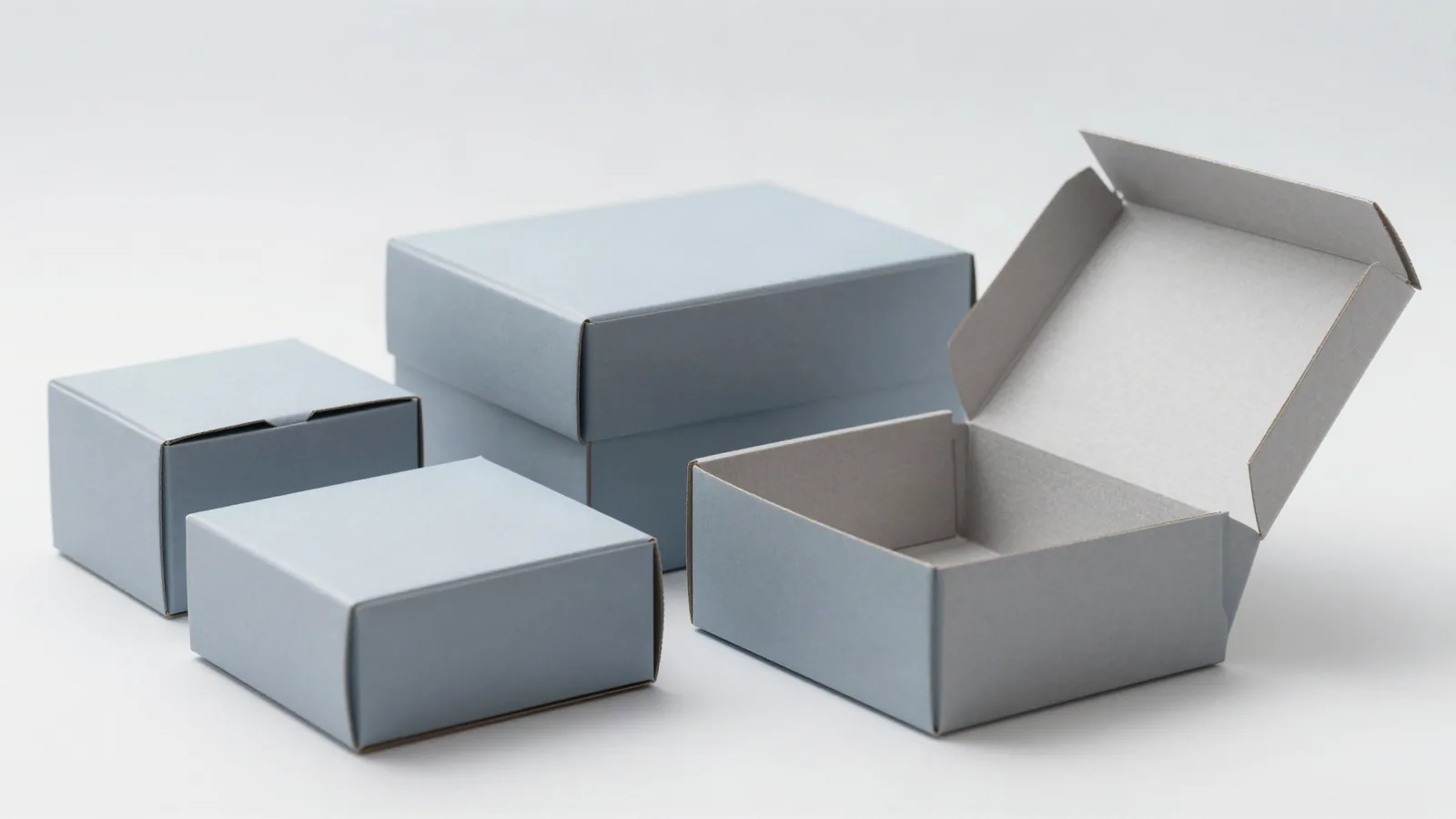
A two-piece tin is the simplest comparison when the product drops into a base and lifts out under a separate lid. The opening motion decides the rest.
| Format | Useful direction | Check before approval |
|---|---|---|
| Two-piece tin | Separate lid and base | Lid overlap, retention, stacking, and cavity clearance |
| Hinged-lid tin | Repeated opening and closing | Hinge position, lid travel, and closure feel |
| Shallow tray | Flat or low-profile products | Product height, edge protection, and insert need |
| Deep rectangular tin | Products needing vertical clearance | Corner radii, stacking, and product movement |
| Shaped tin | Distinctive silhouette | Tooling, nesting, lid fit, and artwork alignment |
Shallow trays keep low-profile products easy to reach. Hinged lids support repeat access, but the hinge consumes space and changes the lid path. A slip-fit lid needs the right overlap and retention for the base. Shaped tins need close checks at corners, nesting points, and the lid edge. Put the actual product, insert, and removal motion into the brief before the tin form is finalized.
How is tinplate artwork printed?
Tinplate artwork is printed onto the metal surface, so registration and panel alignment need review across the lid and base. Offset CMYK is commonly used for detailed graphics. Matte and gloss treatments change reflection and perceived color. Spot UV adds a selected glossy area. Foil stamping, embossing, and debossing add surface detail when the metal form and tooling support them.
Keep important artwork off tight bends, lid edges, seams, and high-contact areas. A logo that looks centered on a flat file can shift visually across the lid-to-base relationship. Mark decorated panels separately from relief treatments, then inspect the digital proof for alignment before anything prints.
Does a tinplate box need a liner or insert?
An insert is a shaped internal piece that holds the product in position. A liner separates the product from the tin surface. A pouch adds another layer around the contents. Paperboard inserts commonly use SBS or C1S board in the 12 to 24 pt range, while kraft inserts commonly use 18 to 24 pt. A flexible pouch may use PET, AL, and PE laminate layers when barrier construction is being considered.
Mylar is a polyester film. A metallized film layer can block light, while laminate layers address moisture and odor transfer. If the contents may touch the package, ask us about food-contact options. The quote should name the actual contact surface, inner material direction, closure, and intended use.
What changes the cost of a tinplate box?
Shape and tooling affect setup when the tin has custom corners, embossing, or a non-standard closure. Material and construction change with tinplate thickness, depth, lid style, and insert requirements. Print coverage and finish add checks for registration, matte or gloss treatment, foil, and raised or recessed detail. Quantity affects unit economics, while carton size and destination affect shipping handling.
Compare the complete package with custom votive candle boxes, custom vial boxes, and custom tuck top mailer boxes. The catalog comparison can show when paperboard folding, inserts, or a shipping mailer fit the job better than a metal shell. Use the $19.99 sample kit to handle material and finish samples before the first order. Broader formats are in custom packaging solutions.
What should go into a tinplate quote request?
Send the product dimensions as packed, desired inside length x width x depth, lid style, opening motion, insert or liner plan, artwork panels, print coverage, finish areas, quantity, and delivery ZIP code. We draw a free dieline and provide free design support, then send a digital proof before printing. Quotes start at a 100-unit minimum, from $0.49 per unit at volume, quoted to spec. Production is typically 8 to 10 business days after proof approval, plus delivery. Free US shipping applies. The sample kit is credited toward the first order.
Frequently Asked Questions
What should I measure for a custom tinplate box?
Measure the product as packed, including any pouch, liner, insert, or protective wrap. Give the desired inside length x width x depth and show the clearance needed for lid movement and removal. A common tolerance reference is about 1/16 in, or 1.5 mm, but corners, lid style, and internal parts can change the final fit.
Can a custom tinplate box be opened repeatedly?
A hinged-lid tin is suited to repeated opening and closing because the lid stays attached to the base. A two-piece tin uses a separate lid and suits simpler access. The final choice depends on lid retention, hinge travel, product removal, edge conditions, stacking, and the inner insert or pouch.
Can tinplate boxes include embossing or debossing?
Embossing raises a metal detail and debossing presses a detail below the surface. Both can be used for a logo, pattern, or panel when the tin form and tooling support the relief. Mark the treatment area separately from printed artwork, then check relief depth, registration, lid alignment, and clearance near edges.
Does a tinplate box need an insert or liner?
An insert holds the product in position, while a liner separates the product from the tin surface. Paperboard inserts commonly use SBS or C1S board in the 12 to 24 pt range, or kraft board in the 18 to 24 pt range. A pouch may use PET, AL, and PE laminate layers. Choose from fit, movement, barrier needs, and contact requirements.
How should I compare tinplate with paperboard packaging?
Tinplate provides a formed metal shell and can support repeat opening, while paperboard usually simplifies folding, storage, and decoration. Compare the complete system: product protection, lid or closure behavior, tooling, print coverage, finishes, inserts, stacking, and shipping. A physical sample exposes handling differences before the structure is approved.