












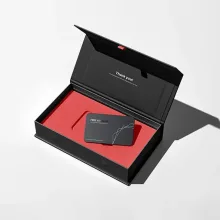
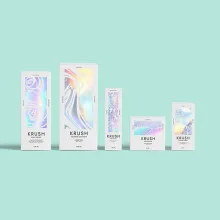
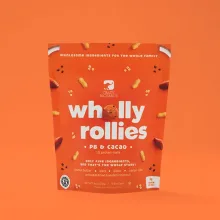
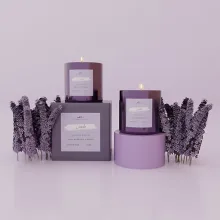

































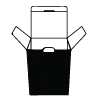

A dieline for packaging is a flat structural drawing that shows how a package will be cut, folded, assembled, and printed. In packaging and dielines work, the file connects the three-dimensional object to a two-dimensional artwork surface. A useful dieline identifies the working panels and construction decisions that affect how the finished package opens, closes, and presents the product. It is a template for a specific package, not a generic outline to reuse without checking.
What is a dieline for packaging?
A packaging dieline maps the panels, cuts, folds, glue areas, openings, and artwork boundaries of the selected format. It gives the buyer a flat view of the package before the board is converted into a finished shape. The file should make the front, back, top, base, closure, and product-facing surfaces clear enough for artwork placement and proof approval.
How does a box dieline template work?
A box dieline template works as an assembly map. Each line or zone has a physical job, and the artwork must follow that job after the sheet is cut and folded.
| Template element | Physical purpose | Buyer review question |
|---|---|---|
| Cut boundary | Separates the finished board shape | Will important artwork stay inside the panel? |
| Fold or score line | Shows where the flat sheet changes direction | Does text remain readable after assembly? |
| Glue area | Identifies a construction zone | Should branding stay off this panel? |
| Panel and opening layout | Connects the flat file to the assembled form | Is the front and closure orientation clear? |
| Window or insert area | Reserves space for a product-facing feature | Does the product sit in the intended position? |
Line colors and file conventions can vary by workflow, so do not assume a line's meaning from color alone. Ask which lines are cuts, folds, perforations, windows, or safe artwork boundaries before finalizing the file.
Which packaging formats need different dieline decisions?
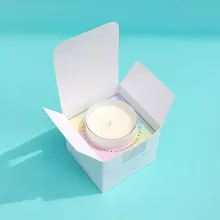
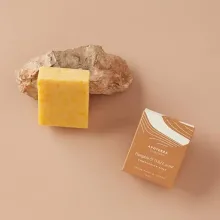
Different formats need different structural decisions because the product sits, opens, and reads differently in each one. Wine box packaging needs a clear upright orientation and opening. Wax packaging needs a fit conversation tied to the product and finish. Custom towel packaging and custom sock packaging depend on the product's folded or rolled presentation. Shoe box packaging uses a different lid and base structure, while seed packaging may need a compact information layout. These are format references, not fixed templates or measurements.
How should you place artwork on packaging dielines?
Place artwork on the panel identified as the front, then check every fold, cut, glue area, opening, and perforation before adding small copy near an edge. Keep important text and logos away from structural areas unless the proof intentionally crosses them. Review the assembled reading order, not only the flat sheet, because adjacent panels can separate or rotate after folding.
Save the editable artwork separately from the structural reference. That makes corrections easier if the package orientation changes during quoting. It also stops the dieline from shifting while the print layer is edited.
What does CPL's free dieline process include?
CPL's free design support starts with the physical request. Send the product type, target fit, opening direction, quantity, material or finish preference, and any insert or window requirement. The design support process uses those inputs to prepare the structural template for the selected format, place the artwork, and send a digital proof before anything prints. If the closure or presentation face is still open, identify that before artwork is placed.
- Describe the product fit and intended package use.
- Confirm the opening, closure, window, insert, or joining direction.
- Review the flat structural template and artwork placement.
- Check the assembled reading order and supplied copy.
- Return consolidated corrections before proof approval.
What should you send before asking for a dieline?
Send the product's intended fit, preferred opening and closure, insert or window needs, reference face, artwork status, quantity, and finish direction. A rough sketch or photograph can clarify the assembly better than a paragraph. If you are comparing formats, identify what must remain consistent across the line. A clear physical brief makes the first structural template easier to check.
What are CPL's MOQ, price, and timing for dieline packaging?
CPL's MOQ is 100 units, and pricing is from $0.49 per unit at volume, quoted to spec. Production is typically 8 to 10 business days after proof approval, plus delivery. Free US shipping and free design support are available. A $19.99 sample kit is credited toward the first order and gives you a physical reference while structure and finish are still open. Start with custom packaging design, then send the product details and artwork status.
Frequently Asked Questions
Why does a custom package need its own dieline?
A custom package needs its own dieline because size, closure, product fit, inserts, windows, and joining areas change the flat layout. A generic box template can place artwork across a score or inside a glue panel. The structure-specific file gives the buyer the right panels to review before proof approval.
Can a box dieline template show opening direction?
Yes. A box dieline template can show the front, back, top, base, lid, opening, and closure direction. That orientation matters when artwork has a reading order or when the product must sit one way inside the package. Check the assembled view before approving the proof.
What details belong on a packaging dieline?
A packaging dieline should show cut boundaries, fold or score lines, glue areas, openings, panel orientation, and the surfaces that receive artwork. It should also identify any window, perforation, or insert position required by the package. Ask which line conventions apply before editing the artwork layer.
How should I prepare artwork for a dieline?
Prepare artwork on the structure-specific dieline, keep important copy clear of cuts and scores, extend background art through the supplied bleed, and check the assembled reading order. Vector logos keep edges clean, while RGB images can shift when converted for press. Review the digital proof before anything prints.
What does CPL charge for a dieline-based packaging order?
CPL's MOQ for a dieline-based packaging order is 100 units. Pricing is from $0.49 per unit at volume, quoted to spec. Production is typically 8 to 10 business days after proof approval, plus delivery. Free US shipping and free design support are available, and the $19.99 sample kit is credited toward the first order.