






















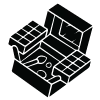
























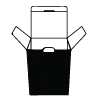

Box depth is the distance from a named reference face toward the back or interior of the package. That answer changes when a box is rotated, opened, displayed through a window, or measured while lying flat. Before writing a dimension, name the front face and mark the direction that runs away from it.
How do you measure box depth?
Measure box depth by placing the package in its intended display or fill position, choosing the reference face, and measuring toward the back. Record whether the result is an interior cavity measurement or an outside measurement. A simple sketch with an arrow marked depth is more useful than a bare list of values.
- Place the box in the position used for display or filling.
- Name the front or reference face.
- Measure the distance from that face toward the back.
- Mark the measurement as interior or exterior.
- Note any insert, lid, sleeve, window, divider, or fold that changes usable space.
Do not rotate the box between measurements without updating the reference note. A sleeve, tray, window box, or lid-and-base format can have a different depth when open than when assembled. The component being measured belongs in the request.
What does L x W x H mean on a box?
L x W x H is a three-axis notation: length, width, and height in the selected orientation. Depth is not a fourth dimension. It describes one of those axes from a particular viewing position, so the letters need arrows or a named reference face.
| Buyer view | Depth question | What to record |
|---|---|---|
| Front-facing package | How far does the box extend behind the front panel? | Reference face and inward direction |
| Open box | Is the measurement for the base or a wall? | Open or closed measurement state |
| Window package | Is the visible panel the front reference? | Window position and usable cavity |
| Insert-supported package | Does the insert reduce usable depth? | Product space and insert space separately |
Should box depth be interior or exterior?
Box depth should be labeled interior or exterior because the two measurements answer different questions. Interior depth tells the team how far the product or insert can sit inside the cavity. Exterior depth describes the finished footprint. Board thickness, folds, windows, and closures sit between those references.
For a fitted product, start with the product and insert space. An insert cut to the exact product size can stop rattling, but it also reduces the open cavity. For shipping or display planning, record the outside measurement as a separate value instead of replacing the interior figure with it.
Why do window boxes need an orientation note?
A window box needs an orientation note because the visible panel often becomes the buyer's reference face, while the package may be measured open, closed, upright, or lying flat. Name the window location, the front panel, the usable cavity, and the finished outside edge in the same request.
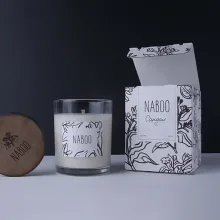
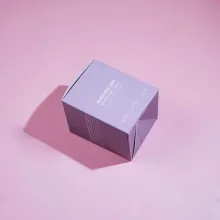
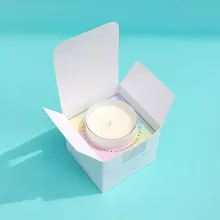
The photo should show the box in the same position as the written dimensions. A box photographed on its side can make a different edge appear vertical, even though the structure has not changed. The reference note keeps the image, dimension order, and dieline pointed at the same package face.
Which CPL product examples show depth?
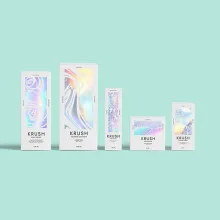
CPL's catalog includes formats where the viewing face changes the buyer's mental model. Custom Soap Boxes with Window and Window Display Boxes make the visible panel part of the orientation conversation. Window Boxes show why window placement and cavity depth should be described together.
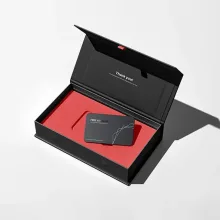
Wedding Card Boxes and Wallet Boxes also show why the opening and presentation face should be named before an axis is assigned. These product pages are format references. The dimensions for a custom order still need a front-view sketch and interior or exterior label.
What should you send with a box depth request?
Send a product photo, a front-view sketch, the intended display or filling position, and a note that says interior or exterior. Identify any insert, lid, sleeve, window, divider, or fold that changes usable space. If you use the phrase box dimension order L x W x H, write each letter beside its arrow.
Use CPL's custom packaging solutions when the package has several parts or the orientation is unclear. Custom projects use a 100-unit MOQ. Pricing is from $0.49 per unit at volume, quoted to spec, and production is typically 8 to 10 business days after proof approval, plus delivery.
Free US shipping and free design support are available. The $19.99 sample kit can help you compare physical structures before approving a proof. Once the reference face and axes are clear, the dieline and artwork can use the same panel names.
Frequently Asked Questions
Can depth be the same as width on a box?
Yes. Depth can describe the same physical axis that another person calls width when the reference face or package orientation changes. Depth means the direction away from the named front face. Mark the face and arrows first, then assign L x W x H labels to the three measured axes.
How should I label L x W x H arrows?
Label L x W x H by placing each letter beside an arrow on a front-view or orientation sketch. Name the reference face, show the direction toward the back, and state whether the measurements are interior or exterior. This keeps the written dimension order connected to the physical box.
What is the difference between interior and exterior box depth?
Interior box depth is the usable distance inside the cavity for the product or insert. Exterior box depth is the finished outside distance that affects the package footprint. Board thickness, folds, windows, and closures sit between those measurements, so a request should record both when fit and outside size matter.
Why do windows change the reference face?
A window changes the reference face because it often identifies the panel a buyer sees first. The same package can still be measured open, closed, upright, or flat. Name the window position, front panel, usable cavity, and outside edge so the depth label stays connected to the intended view.
What does CPL need to clarify box depth?
CPL needs the product photo, a front-view sketch, the display or fill position, and an interior or exterior label to clarify box depth. Custom projects use a 100-unit MOQ, pricing from $0.49 per unit at volume, quoted to spec, and production typically takes 8 to 10 business days after proof approval, plus delivery.