











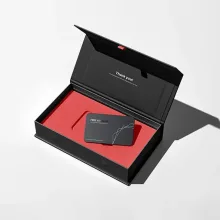
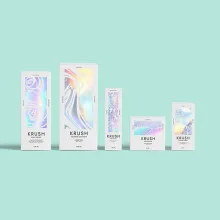
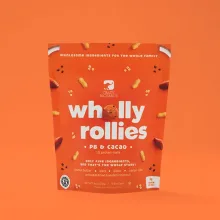
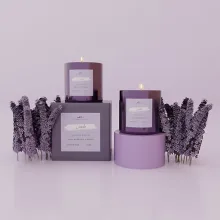
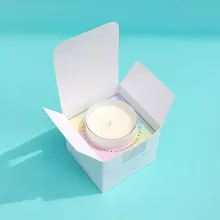
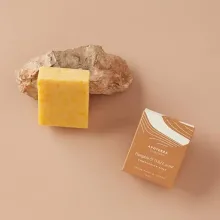



























What is die cutting in printing? Die cutting is a converting step, meaning a post-print operation that cuts a printed sheet into a package outline. A dieline is the flat cutting template that maps cut paths, scores, folds, perforations, glue tabs, and panels. Die-cut tooling is the physical cutting form that follows that map. A digital proof is the file used to check artwork and structure before anything prints.
Where does die cutting sit in the print sequence?
Die cutting follows printing in the packaging sequence and turns the printed sheet into the blank that will be folded or assembled. Printing puts the artwork on the selected sheet or substrate. The die-cut step establishes the outside profile, openings, handles, and other structural paths shown on the dieline. If the structure changes after artwork is approved, the proof needs another check before tooling moves forward.
| Production term | What it does | What to check |
|---|---|---|
| Artwork | Shows the visual design, copy, and brand elements | Confirm the right artwork sits on each panel |
| Dieline | Maps panels, cuts, folds, scores, and openings | Check panel order and fold direction |
| Cut line | Shows where material separates | Confirm the outline matches the package shape |
| Crease or score | Prepares a controlled bend without cutting through | Keep type and logos clear of the bend |
| Digital proof | Combines artwork and structure for approval | Check the current file before anything prints |
Which dieline marks tell a printer what to cut or fold?
A dieline tells the printer which paths are cuts, folds, scores, and perforations. Bleed is extra artwork beyond the trim edge, while the safe area is the space inside the trim and structural marks where required copy should stay. Those instructions keep a background from stopping at the cut and keep type away from a score. RGB art can shift when it is converted for press. Low-resolution logos can show rough edges. A barcode should be checked on the proof at its final size. A press check looks at ink coverage, registration, and the artwork's position against the cut marks on the production sheet.
Why are cutting, creasing, and perforating separate instructions?
Cutting separates material, creasing prepares a bend, and perforating creates a line designed to tear or open. A perforation is made from spaced cuts that leave the package connected until the opening action is used. One package may use a cut and crease only. Another may add a perforation for a tear-away panel. Separate marks tell the printer what must remain attached and what must become an opening.
This distinction matters when a logo, barcode, or instruction line sits near a structural feature. A line intended as a fold should not be treated as a cut. A tear path should not be mistaken for a printed decoration. Keep the structural legend clear in the working file, then check the assembled direction in the proof.
How does a proof reduce tooling mistakes?
A digital proof lets you check the flat layout before the die-cut tooling is used. Check the front panel, reverse panel, side panels, closure, fold sequence, and opening direction. Then picture the blank folded into the finished package. This catches a logo across a score, copy facing the wrong way, missing bleed, or a panel that does not leave enough room for a glue tab.
The catalog includes die-cut Mylar bags, custom die-cut Mylar bags, and custom die-cut soap boxes as product references where a defined outline matters. The custom die-cut Kraft boxes and custom die-cut boxes pages provide additional structural references. Each product page shows a direction. The approved proof establishes the project-specific layout.
What happens after proof approval?
After proof approval, the approved artwork and structural file become the production reference, and the clock starts at proof approval. Production is typically 8 to 10 business days after proof approval, plus delivery. Projects use a 100-unit MOQ. Pricing is from $0.49 per unit at volume, quoted to spec.
Send product dimensions and the package direction. CPL provides free design support and can draw the dieline before the proof is checked. The custom boxes with logo page is the relevant hub for printed boxes with a defined shape. Free US shipping is available. The $19.99 sample kit is credited toward your first order and gives you a physical way to compare material and finish before approval.
Frequently Asked Questions
How does die cutting shape printed packaging?
Die cutting shapes printed packaging by pressing a die-cut tool through the printed sheet along the approved outline. The same tool can include cut paths, scores, folds, or openings shown on the dieline. Printing carries the artwork. Die cutting creates the blank that can be folded or assembled into the package.
What does a packaging dieline show?
A packaging dieline shows the panels, cut paths, folds, scores, perforations, glue tabs, and artwork boundaries for a package. It gives the printer a flat structural map before production. Check the panel order, fold direction, bleed, safe area, and opening path before approving the digital proof.
Why do printers separate cut lines from crease lines?
Printers separate cut lines from crease lines because the operations do different jobs. A cut separates material, while a crease prepares a bend without separating the panel. The dieline must distinguish them so the package keeps the intended shape and the fold does not become an unintended opening.
When should a buyer approve the structural proof?
A buyer should approve the structural proof after checking the artwork, panel order, cut paths, folds, bleed, safe area, closure, and opening direction together. The proof is the last file check before anything prints. It can catch a logo across a score, a missing bleed area, or copy facing the wrong direction.
What does CPL charge and require for die-cut packaging?
CPL projects use a 100-unit MOQ, with pricing from $0.49 per unit at volume, quoted to spec. Production is typically 8 to 10 business days after proof approval, plus delivery. CPL provides free design support and free US shipping. The $19.99 sample kit is credited toward the first order.