












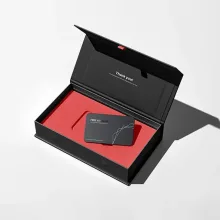
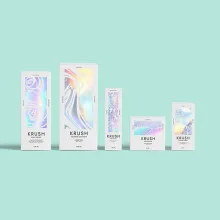
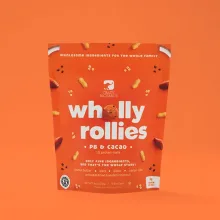

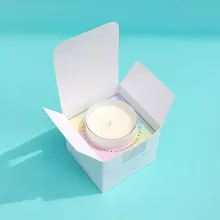








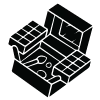























A dieline template packaging file is the structural drawing behind a custom box or bag. It maps the panels that become the finished package and gives artwork a defined place to sit. A dieline can include cut paths, fold paths, glue areas, openings, and print-facing panels. It is not the finished package by itself. It is the working layout that connects structure, artwork, and proof approval before production planning begins.
What is a dieline template in packaging?
A packaging dieline template is a flat drawing that shows how a package will be cut, folded, joined, and printed. It gives the buyer and design team a shared view of the same object before assembly. The file separates structural information from visual artwork, so a logo or product panel does not accidentally sit across an unintended fold or cut area.
| Process stage | Input | Working output |
|---|---|---|
| Packaging brief | Product, format, artwork status, and quantity | A structural starting point |
| Dieline creation | Required panels, folds, cuts, and joining areas | A flat layout for artwork |
| Artwork placement | Logo, copy, images, and panel priorities | Artwork aligned to the layout |
| Proof review | Assembled view and buyer comments | A proof ready for approval |
How does CPL build a custom box dieline?
CPL builds the dieline from the product, the requested package style, and the dimensions needed for the packout. Free design support starts with the physical job, not a blank artboard. Send the product measurements, preferred opening, quantity, artwork status, and any insert or window requirement. A sketch or package reference can explain the intended shape when the structure is still open.
- Share the product dimensions, package type, artwork, or rough concept.
- Identify the front, back, side, top, bottom, and interior panels.
- Confirm the opening, closure, insert, window, or joining direction.
- Place artwork so important information reads correctly after assembly.
- Review the proof and return consolidated approval comments.
How do folds, cuts, and glue panels work?
Cut paths show where the outer shape separates from the sheet. Fold or score paths show where panels change direction. Glue panels show where parts join. Print-facing panels identify the surfaces that carry artwork. Treat the dieline as an assembly map, then check the assembled reading order because a flat drawing cannot show every visual relationship at once.
Panel orientation needs a deliberate check. A panel that looks correct while flat may face inward, rotate, or meet another panel after folding. Keep the main logo, product name, and supplied information away from structural transitions unless the proof intentionally uses them.
What should artwork look like on a dieline?
Artwork should follow the panel structure without hiding the cut, fold, glue, or opening information. Keep the structural reference layer visible while the print layer is edited. Vector logos keep edges clean at different sizes. Low-resolution images can soften on press, and RGB artwork can shift when converted for press. Extend background art through the supplied bleed, then keep important type and marks inside the supplied safety area.
What happens between a dieline and a digital proof?
CPL sends a digital proof before anything prints. The proof puts the structure and artwork into one review step, so the buyer can check front, back, sides, closure, opening, product-facing panels, supplied copy, and finish direction. Consolidate changes before approval. If the assembled orientation does not match the intended package, flag it while the proof is open.
Which products are useful dieline starting points?
A mailer, rigid box, and shipping box each need a different structural conversation. Review custom mailer boxes for a folded mailer format, rigid printed boxes for wrapped panels around an assembled form, and custom shipping boxes for a delivery-oriented structure. These product pages are format references, not fixed templates or measurements.
What should an order include after the proof?
After proof approval, keep the approved artwork, product measurements, quantity, material direction, and delivery destination together. The MOQ is 100 units. Pricing is from $0.49 per unit at volume, quoted to spec. Production is typically 8 to 10 business days after proof approval, plus delivery. Free design support and free US shipping are available. The $19.99 sample kit is credited toward the first order. For more design planning, use custom packaging design and send the complete brief.
Frequently Asked Questions
What does a dieline template include?
A dieline template includes the flat panels, cut paths, fold or score lines, glue areas, openings, and print-facing surfaces for a package. It gives artwork a structural map before assembly. The exact layout depends on the selected box or bag, its product fit, and the way it opens and closes.
Can CPL make a dieline if I only have dimensions?
Yes. CPL's free design support can build a packaging dieline from product dimensions, package type, quantity, opening direction, and a rough concept. You do not need to supply a finished template. The support process turns the physical requirements into a flat layout, then sends a digital proof before anything prints.
How is a dieline different from a mockup?
A dieline is the structural file used to cut and fold the package. A mockup is a visual representation of how the finished package may look. The mockup can help discuss appearance, but the dieline carries the panel, cut, fold, glue, and opening information needed for artwork placement.
Where do folds and glue panels appear on a dieline?
Folds and glue panels appear as structural areas on the packaging dieline. Fold or score lines mark where the board changes direction, while glue panels show where parts join. Keep important copy away from those areas unless the proof intentionally crosses them and the assembled reading order remains clear.
What are CPL's MOQ, price, and timing for a dieline project?
CPL's MOQ for dieline-based packaging is 100 units. Pricing is from $0.49 per unit at volume, quoted to spec. Production is typically 8 to 10 business days after proof approval, plus delivery. Free design support and free US shipping are available, and the $19.99 sample kit is credited toward the first order.