




























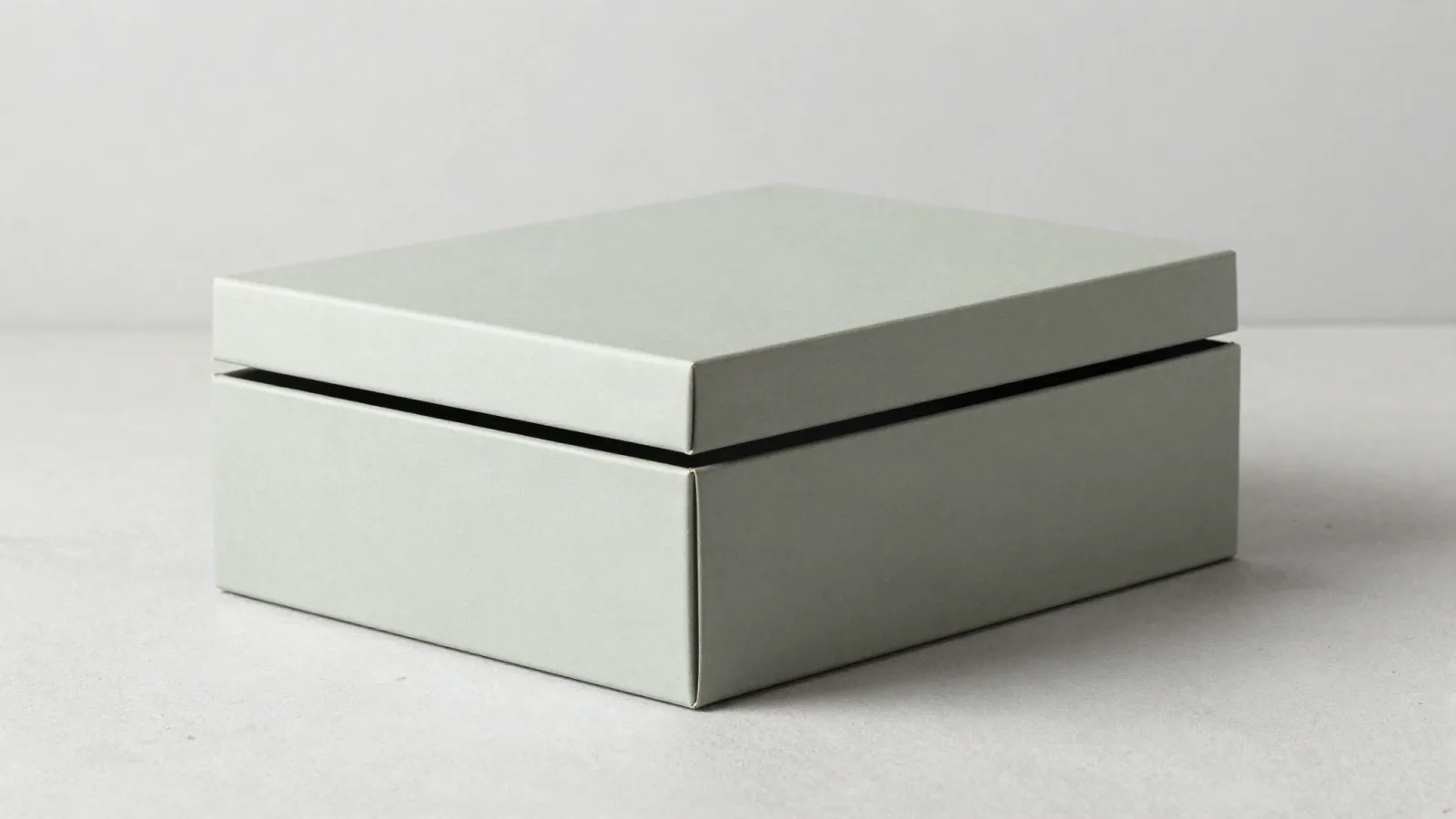




















































What is a drawer rigid box?
A drawer rigid box is a sleeve-and-tray package in which a rigid inner drawer slides through a rigid outer sleeve. The sleeve carries the outside presentation, and the drawer holds the product or insert. Because both parts share one slide path, the usable cavity, opening direction, pull detail, and exterior artwork belong in the same proof.
Custom drawer rigid boxes are the direct catalog reference. Rigid boxes with sleeve and tray show the same relationship in broader terms, while rigid printed boxes help frame the printed exterior.
How does the slide-out construction work?
The outer sleeve guides the tray along a defined path. A ribbon, tab, or shaped front edge gives the user a starting point for the pull, and the tray depth determines how the product sits after opening.
| Construction element | Physical job | Proof check |
|---|---|---|
| Outer sleeve | Guides the drawer and carries artwork | Opening, panels, finish, and edge clearance |
| Inner drawer | Holds the product cavity | Tray depth, fit, and slide direction |
| Insert or divider | Separates or supports contents | Contact points and removal path |
| Pull feature | Starts the opening motion | Ribbon, tab, or front-edge access |
A digital proof should show the box open and closed. It should also show how the artwork sits near sleeve edges, scores, folds, windows, and the pull feature. A dieline is the flat cutting template used to cut and print the package, so a flat file alone does not show the complete opening experience.
Which products fit a drawer rigid box?
Drawer rigid boxes fit products that need a structured cavity or a grouped presentation. The catalog describes jewelry, cosmetics, fashion accessories, gift sets, and other presentation-led products as possible directions. The actual item, insert, and removal path determine the usable space.
Use rigid boxes with magnetic closure as a comparison when the package should open on a hinge instead of sliding. The drawer format is the better reference when the inner tray needs to travel through a sleeve.
How should the inner drawer be organized?
Start with the product in its final packed state, then decide whether the tray holds one item, a set, or separate components. CPL's drawer-box description identifies foam, velvet, die-cut cardboard inserts, dividers, and custom printed insert pieces as features to discuss.
An insert is a shaped support inside the box that keeps the product in a planned position. Cut it around the actual product, with enough clearance for loading and removal. An insert cut to the exact product size can make loading difficult, while excess space lets the product move during handling.
Which finishes work on drawer rigid packaging?
Matte lamination reduces reflected light, while gloss lamination makes printed color look more reflective. Soft-touch lamination changes the hand feel. Foil stamping adds a metallic mark, embossing raises a design, debossing presses it into the wrap, and spot UV adds a localized glossy area.
Place finish callouts on the dieline and check them on the sleeve, drawer front, and any panel that crosses an edge. A finish that lands on a fold or sleeve edge needs a separate proof check. Send the logo, large color fields, small type, and finish marks together.
What should a drawer rigid box quote specify?
A drawer rigid box quote should specify the product, packed orientation, usable cavity, opening direction, sleeve, drawer, insert, divider, window, pull feature, artwork status, finish, quantity, and destination.
- Separate exterior dimensions from usable interior space.
- State whether the tray holds one item, a set, or separated components.
- Identify the insert material and removal path when an insert is required.
- Request open and closed views in the digital proof.
Free design support includes organizing the artwork and drawing the dieline. Use custom packaging design for the broader artwork route. The MOQ is 100 units, pricing is from $0.49 per unit at volume, quoted to spec, and production is typically 8 to 10 business days after proof approval, plus delivery.
Free US shipping is available. Order the $19.99 sample kit if a physical comparison of board, wrap, or finish will help before proof approval.
Frequently Asked Questions
What is a drawer rigid box?
A drawer rigid box is a rigid sleeve-and-tray package with an inner drawer that slides out from the outer sleeve. The sleeve carries the outside artwork, and the drawer holds the product or insert. The box should be sized from the packed product, then checked for slide direction, cavity fit, pull access, artwork placement, and finish before proof approval.
How does a slide-out rigid box open?
A slide-out rigid box opens when the inner tray travels through the outer sleeve along a defined path. A ribbon, tab, or shaped front edge can give the user pull access. The opening depends on the sleeve, tray depth, clearances, and insert, so the proof should show the assembled box both open and closed.
Can CPL add inserts to a drawer rigid box?
CPL's drawer rigid box catalog identifies foam, velvet, die-cut cardboard inserts, dividers, and custom printed insert pieces as features to discuss. The insert should match the actual product and leave room for loading and removal. State whether the drawer holds one item, a set, or separated components.
Which finishes are available for drawer rigid boxes?
Drawer rigid boxes can be discussed with matte, gloss, soft-touch lamination, foil stamping, embossing, debossing, and spot UV. Matte reduces reflected light, gloss is more reflective, and spot finishes need placement on the dieline. Check every finish near folds, sleeve edges, drawer fronts, and pull details.
What are the quantity, price, and timing terms?
Drawer rigid box projects have a 100-unit MOQ. Pricing is from $0.49 per unit at volume, quoted to spec. Production is typically 8 to 10 business days after proof approval, plus delivery. Free US shipping, free design support, and a $19.99 sample kit are available.












