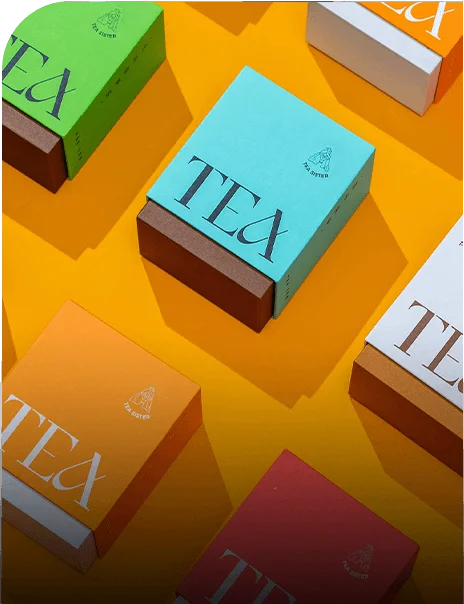





























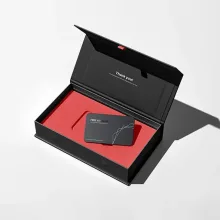
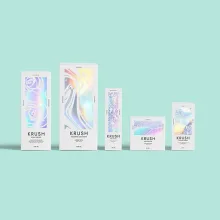
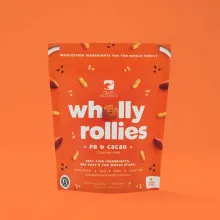
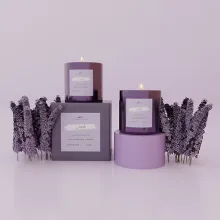



































Food packaging printing is the process of putting approved product artwork onto a package structure, then checking that the ink, stock, coating, and contact surface fit the intended use. A printed food box may carry a product name, ingredients, directions, seasonal artwork, or a simple logo system. Ask us about food-contact options for your product before treating a broad material label as an answer.
What should food packaging printing show?
Food packaging printing should show the approved product information and the brand hierarchy on the panels where customers will read it. Start with the product name, logo, copy, color direction, and any supplied ingredient, allergen, preparation, nutrition, or QR-code content.
Keep type away from scores, glue tabs, windows, and closures. Bleed is the extra artwork that extends past a cut line so a small trimming shift does not leave an unprinted edge. Show the dieline, panel order, and contact surface in the brief. The proof should make it possible to inspect copy size, folds, contrast, and artwork placement before anything prints.
Which printing method fits a printed food box?
Digital, offset, screen, and flexographic printing each suit different artwork and material discussions. The chosen method depends on the package structure, stock, number of versions, image detail, color direction, and quantity. The table gives the practical question to ask at the start.
| Print direction | What it does | Check before approval |
|---|---|---|
| Digital | Prints custom artwork directly from a digital file | How many versions and printed faces are needed? |
| Offset | Transfers ink through a plate-based sheet process | Which colors and fine details must stay consistent? |
| Screen | Pushes ink through a mesh onto a selected surface | Does the artwork need a heavier printed deposit? |
| Flexographic | Prints from flexible plates on selected packaging materials | Which stock and surface are paired with the process? |
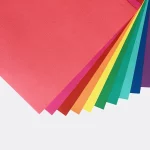
| CMYK or PMS | Sets the color plan as process or specified spot color | Which colors need process treatment or a spot direction? |
What does food grade ink packaging mean?
Food grade ink packaging is a buyer's shorthand for printed packaging used around a food application, but the phrase does not identify the actual ink, stock, coating, or contact surface. Ask us about food-contact options for your product and have those project details identified for the package under review.
CPL food packaging discussions include soy-based and water-based ink options in some packaging contexts. Water-based ink uses water as the main carrier, while soy-based ink uses soy-derived oils in its ink formulation. Neither label alone answers the contact question. Confirm the selected system, substrate, coating, and product-facing surface before proof approval.
Which finishes work on printed food boxes?
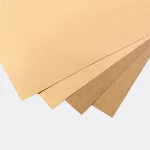
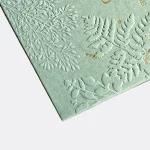
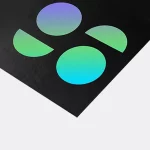
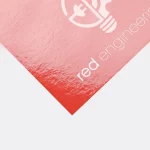
Matte, gloss, silk, soft-touch, anti-scratch, spot UV, foil stamping, embossing, and debossing are finish directions listed across CPL packaging materials. Matte reduces surface shine, while gloss increases shine and can make printed color look brighter. Spot UV adds a clear glossy area to selected artwork. Foil stamping adds a reflective metallic area. Embossing raises paper or board, while debossing presses it inward.
Finish placement matters. Keep decorative treatments away from scores, glue areas, and any product-facing surface unless the project specification addresses that use. A $19.99 sample kit can help you compare stocks and surface directions by hand before approving the printed proof.
Which CPL food packaging products can you compare?
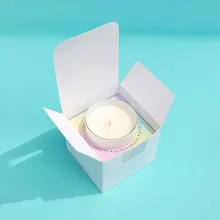
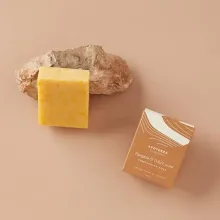
Wine box packaging gives a bottle-led carton reference with room for structured panels and branded artwork. Wax packaging gives a compact package reference for paperboard, kraft, rigid structures, inserts, and printed surfaces. Thanksgiving food boxes show how seasonal artwork, windows, and printed panels can work together. Each format still needs its own stock, ink, finish, and contact discussion.
The custom packaging solutions hub connects the print question to the package structure. Free design support can help organize the dieline and proof.
What should you send for a food packaging print quote?
Send the product format, packed dimensions, package structure, artwork file, approved copy, color references, contact surface, finish preference, quantity, and destination. State whether the package is a folding carton, bottle box, seasonal gift box, tray, or another format. Ask us about food-contact options for your product, then request the selected ink, substrate, and finish details in the quote.
The MOQ is 100 units. Pricing is from $0.49 per unit at volume, quoted to spec. Production is typically 8 to 10 business days after proof approval, plus delivery. Free US shipping and free design support are available.
Frequently Asked Questions
What printing methods are available for food boxes?
Digital, offset, screen, and flexographic printing are listed print directions for CPL packaging materials. The suitable method for a food box depends on the stock, package structure, artwork detail, number of versions, color plan, and quantity. Start with the actual box and artwork, then ask which process fits the selected material.
Can CMYK or PMS be used for printed food boxes?
CMYK and PMS are color planning options for printed food boxes. CMYK builds color from process inks, while PMS identifies a specified spot color direction. The selected stock and finish affect how the color appears. Include the color plan with the artwork and review it on the intended material before approval.
What does food grade ink packaging mean in practice?
Food grade ink packaging is a broad buyer phrase, not a complete project specification. Ask us about food-contact options for your product and identify the ink, substrate, coating, and product-facing surface for the actual package. CPL discussions include soy-based and water-based ink options in some packaging contexts, subject to the specific project.
Which finish is best for printed food packaging?
There is no single best finish for every printed food package. Matte reduces shine, gloss increases shine, spot UV adds selected glossy areas, foil adds reflective detail, and embossing or debossing changes the surface shape. Compare the finish with the stock, contact surface, handling, copy size, and artwork before approval.
What information does CPL need for food packaging printing?
For food packaging printing, send the product format, packed dimensions, structure, artwork, approved copy, color direction, contact surface, finish, quantity, and destination. Mention any window, insert, liner, or special opening. Ask us about food-contact options for your product and have the selected ink, substrate, and finish identified before proof approval.