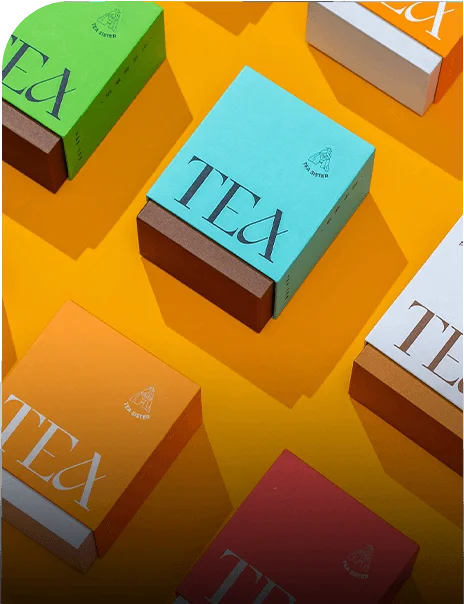









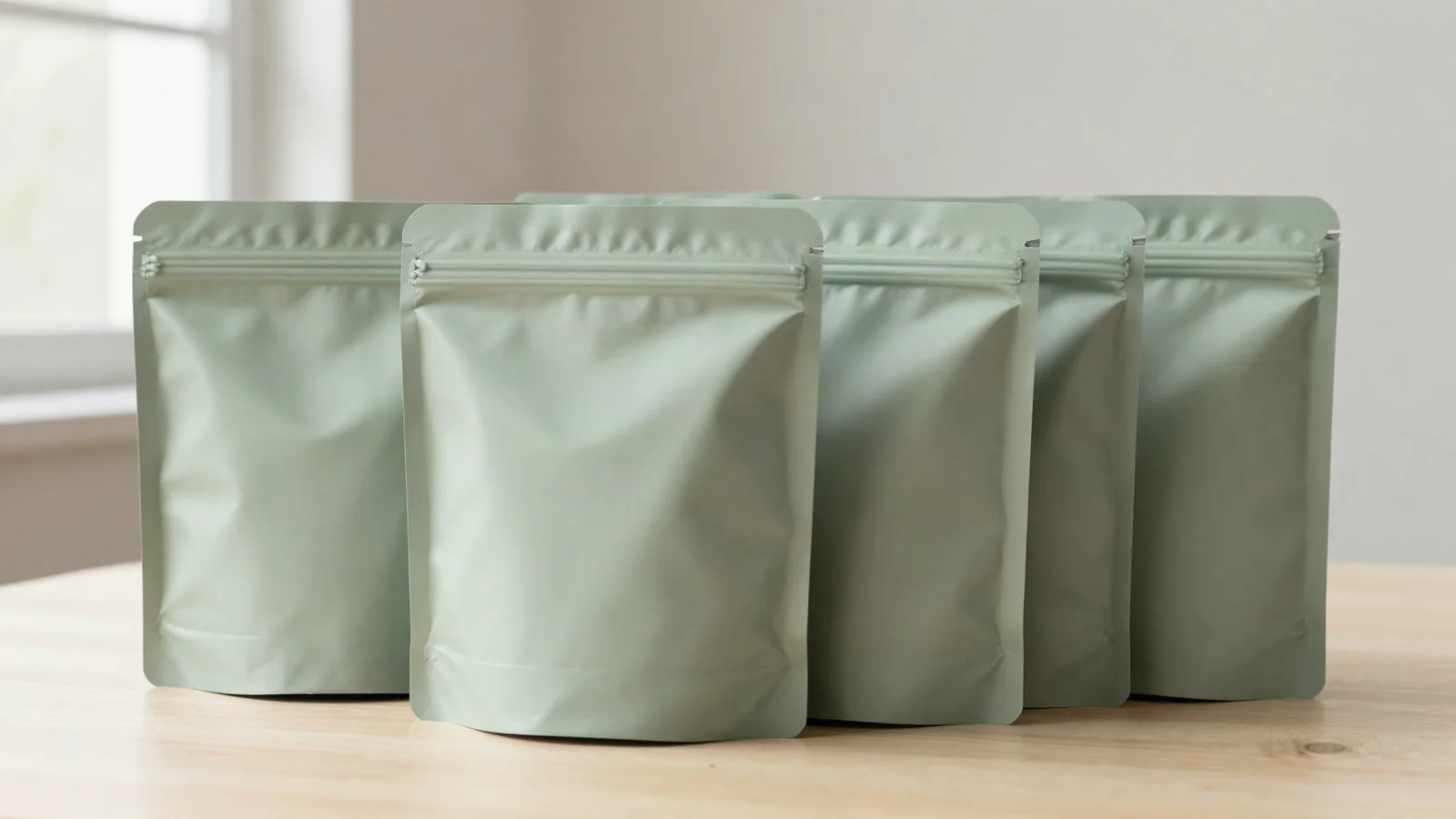



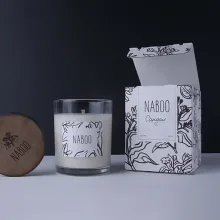
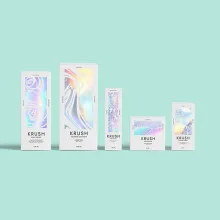
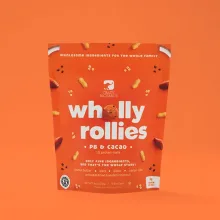
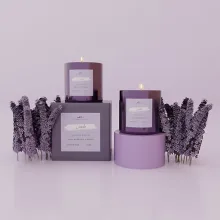

























Full-color printing on Mylar bags means placing process-color artwork across the printable panels of a flexible pouch, then checking that artwork against the film surface, closure, folds, and finish. CMYK means cyan, magenta, yellow, and black process inks. Custom Packaging Lane is a US-based packaging supplier with catalog directions for plain or printed options, PMS color discussions, metallic and clear film, coatings, foil, windows, tear notches, hang holes, and shaped bags. The final color is judged on the selected film, not only on a monitor.
What does full-color printing mean on a Mylar bag?
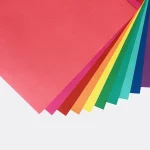
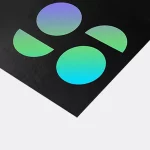
Full-color printing usually means CMYK process artwork, with images, gradients, and multiple colors across the printable panels. PMS can be discussed when a specified spot color matters. The film base, ink coverage, white layer, coating, and proof affect the result, so the material must be named before the artwork is approved.
Should you use CMYK or PMS for Mylar packaging?
CMYK suits photographs, gradients, and multi-color artwork, while PMS is a spot-color direction for a specified brand color. Neither choice can be reviewed apart from the film surface.
| Print or surface choice | What it controls | What to check |
|---|---|---|
| CMYK | Process color for images, gradients, and multi-color designs | Print setup, ink coverage, and proof on the selected film |
| PMS | Spot-color direction for a specified color | Critical colors, film base, and proof appearance |
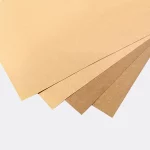
| Opaque or metallic film | Contrast, reflection, and how the base changes color | Whether the artwork covers, reveals, or uses the film appearance |
| Clear film or window | Where the contents show through instead of printed color | Clear area, surrounding print, and panel placement |
Metallic film can shift the look of printed color because the reflective base remains part of the visual field. A white print layer or another opaque treatment can create stronger contrast when the artwork needs it.
Can digital printing work for custom printed Mylar bags?
Digital printing may suit some custom Mylar bag runs when the artwork, quantity, film, shape, and finish fit the process. It is a print method, not a guarantee that every structure uses the same setup.
Ask Custom Packaging Lane to confirm the method for the requested bag. The quote should name the film, bag shape, print coverage, closure, finish, and quantity. A digital process still needs a dieline, the flat cutting template used to map the bag before production, and a digital proof before anything prints.
What should CMYK artwork show on the dieline?
CMYK artwork should be mapped around the dieline, seal, zipper, gusset, tear notch, window, and information panels. Keep type away from scores and folds, leave bleed where the printer requires it, and separate white areas, foil, coatings, and finish zones from the process artwork.
RGB artwork can shift when it is converted for press, especially when a monitor displays colors outside the chosen print setup. The proof is where you check panel order, small type, barcode placement, color hierarchy, seal clearance, and the intended surface effect.
Which finishes can be added to a printed Mylar bag?
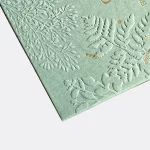
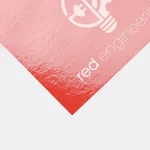
Custom Packaging Lane's catalog lists matte, gloss, silk, crystal UV, liquid UV, foil, holographic foil, spot gloss, embossing, and debossing directions for Mylar packaging. A finish map identifies where each treatment goes.
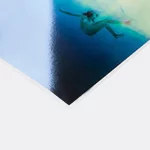
Matte diffuses light across the panel, gloss increases reflection, foil adds a reflective accent, and spot UV concentrates gloss in selected areas. Embossing and debossing change the surface relief. Mark each treatment separately so the proof shows how it meets the artwork, folds, zipper, and seal.
Which CPL products fit a full-color bag project?
Custom printed Mylar bags are the primary catalog direction for CMYK, PMS, coatings, foiling, and add-ons. Die-cut Mylar bags fit projects where the silhouette is part of the printed presentation. Irregular-shape Mylar bags fit unusual footprints, while custom Mylar ziplock bags coordinate the print with a resealable opening.
How should you prepare artwork for full-color Mylar bags?
Prepare artwork from the final bag shape, dimensions, closure, film base, and printable panels.
- Identify CMYK artwork and any PMS spot-color discussion.
- Mark the opaque, metallic, kraft-look, or clear base.
- Separate white areas, windows, foil, coatings, and finish zones.
- Keep type away from scores, folds, zippers, seals, and tear notches.
- Review the digital proof for panel order, small type, barcode placement, color, and finish.
Free design support includes organizing a rough concept or supplied file around the dieline and finish map. Order the $19.99 sample kit to compare printed surfaces, film feel, and finish direction before proof approval.
What are the order and production terms?
Custom Packaging Lane uses a 100-unit MOQ for full-color Mylar bag orders. Pricing is from $0.49 per unit at volume, quoted to spec. Production is typically 8 to 10 business days after proof approval, plus delivery. Free US shipping and free design support are available. For the broader artwork workflow, visit custom packaging design.
How does pouch construction change a full-color print file?
A bottom gusset adds a folding panel that can move artwork out of view when the pouch is empty or standing. Three-side seal, side-gusset, stand-up, and custom die-cut formats place folds, seals, and cut edges in different locations. Build the art on the production dieline instead of resizing a front-panel image after the structure is selected. The panel map should reflect the zipper, tear notch, hang hole, seal bands, and filled shape.
| Pouch structure | Panel arrangement | Print-file check |
|---|---|---|
| Stand-up pouch | Front, back, and bottom gusset | Readability when the base opens |
| Three-side seal pouch | Flat front and back with three sealed edges | Copy clearance from the seal bands |
| Side-gusset pouch | Front, back, and two folding side panels | Panel joins at each gusset fold |
| Custom die-cut pouch | Panels follow a shaped perimeter | Edge clearance around the cut path |
Compare custom heat-seal Mylar bags with custom die-cut Mylar bags, then use the custom Mylar bag range to keep the print brief tied to one final structure.
Where should ink sit in a laminated pouch?
Ink can be placed on the inner face of a transparent outer web, then trapped between bonded film layers so the exterior film protects the image. A PET / AL / PE construction combines a polyester outer layer, aluminum barrier layer, and polyethylene sealant layer, although not every pouch uses that stack. Surface printing places ink on the exterior instead, making rub resistance and any protective coating part of the specification. State the layer sequence and printing face on the job record.
Why does a reprint need the original film and white-ink specification?
Process color can shift when the substrate, opacity, ink sequence, or protective layer changes between runs. Preserve the approved film construction, color targets, print method, surface finish, and white-ink map. Also retain an approved physical sample under controlled viewing light. A PDF alone cannot record gloss, reflectivity, film haze, or the strength of the white layer. Metallic and clear films make this control especially important because exposed areas of the substrate remain part of the design.
What does a press check inspect on full-color pouches?
Registration between the white layer, process colors, and any finish layer should be checked before longer production continues. Inspect solid-color density, image detail, small reverse type, white-ink opacity, pinholes, scratches, banding, gusset alignment, and ink outside the intended seal zone. For the incoming file, 300 ppi at final size and 1/8 in bleed are common prepress standards. Follow the production dieline when it calls for a different allowance, and view fine text at printed size rather than monitor magnification.
How should a physical sample be compared with the digital proof?
The proof confirms content, panel order, dimensions, and production layers, while a material sample shows film feel, opacity, gloss, seal texture, and opening behavior. Compare both under the same light, then note differences in writing. Fill the sample with a weight-equivalent product, expand every gusset, close the zipper if present, and inspect copy near folds and seals. For vacuum or heat-seal formats, evaluate the filled shape because tension can change how the printed panel reads. Use the sample kit to compare physical surfaces before approving the pouch specification.
Frequently Asked Questions
What is full-color Mylar pouch printing?
Full-color Mylar pouch printing usually uses CMYK process artwork across the printable panels of a flexible bag. The final appearance depends on the film surface, ink coverage, white or metallic areas, coating, shape, closure, and proof. Custom Packaging Lane can discuss the requested material and structure, but the artwork should still be reviewed on the selected film.
Can digital printing be used for Mylar bags?
Digital printing may be suitable for some custom Mylar bags when the film, shape, print coverage, finish, and quantity fit the process. Custom Packaging Lane should confirm the method for the requested structure. Digital printing still requires a dieline, artwork prepared for the print setup, and a digital proof before anything prints.
Should I use CMYK or PMS for Mylar packaging?
CMYK is used for images, gradients, and multi-color artwork, while PMS is a spot-color direction for a specified brand color. The film surface changes how either direction appears, especially on metallic or clear material. Identify critical colors and review them on the selected film before approving the proof.
Can custom printed Mylar bags include foil and windows?
Custom printed Mylar bags can be discussed with foil, holographic foil, coatings, spot gloss, windows, tear notches, hang holes, embossing, or debossing. Mark each feature on the artwork and finish map. The proof should show how the print, clear area, closure, seal, and surface treatment meet on the final bag.
What is the MOQ for full-color Mylar bag printing?
The MOQ for full-color Mylar bag printing is 100 units. Pricing is from $0.49 per unit at volume, quoted to spec. Production is typically 8 to 10 business days after proof approval, plus delivery. Free US shipping, free design support, and a $19.99 sample kit are available.