








































































What is the rigid packaging definition?
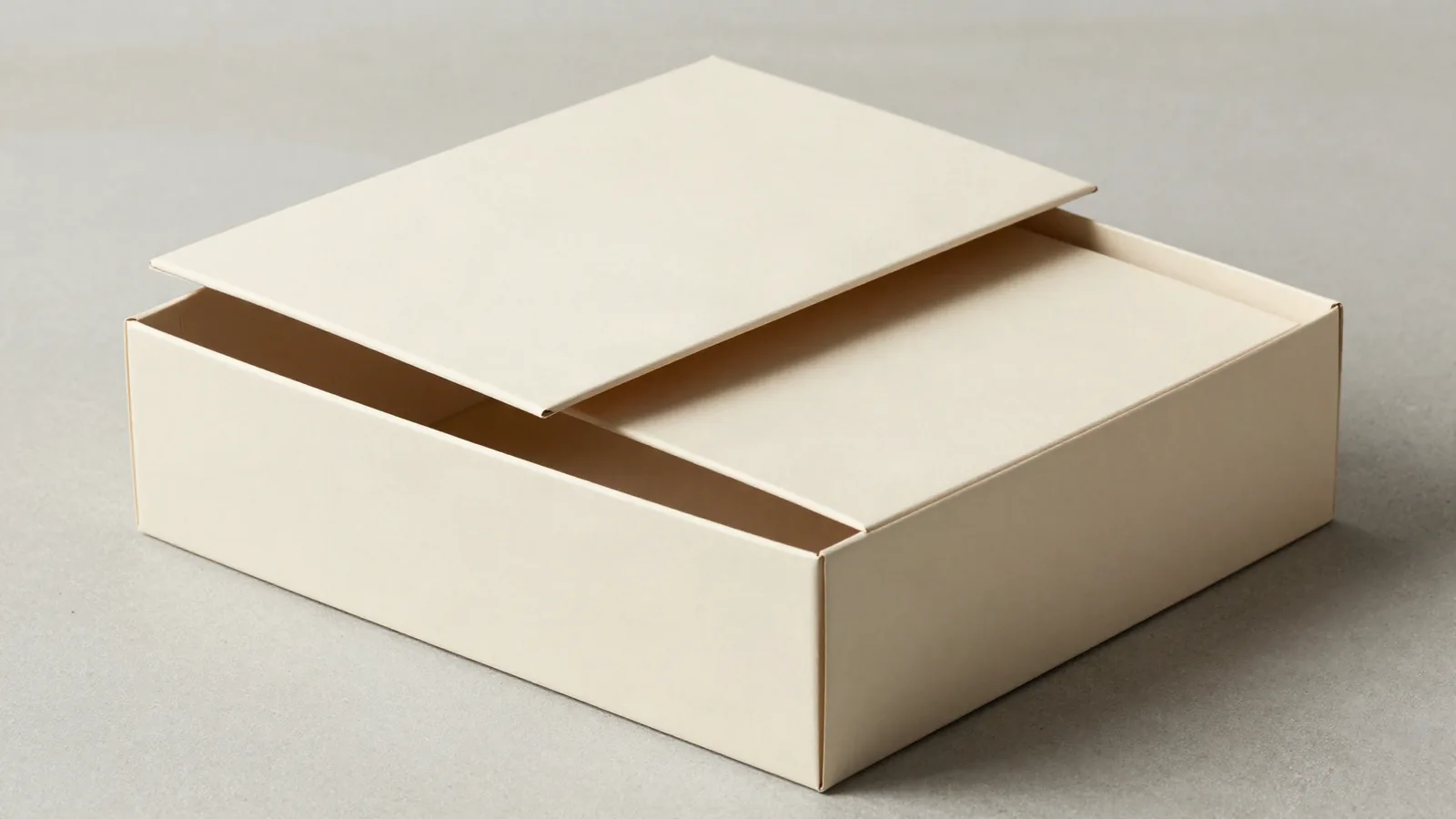
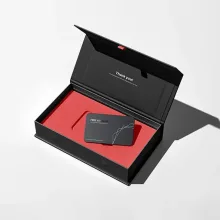
Rigid packaging is a pre-formed package that keeps its shape around the product. A rigid box uses a board structure, often chipboard wrapped in printed paper, so the sides, lid, or tray stay defined during packing and opening. A flexible pouch bends with its contents. A folding carton arrives flat and takes shape on the packing line. The term describes the construction, not one universal board weight, finish, or closure.
A setup box is a common rigid format: board parts are assembled before the product goes in. The box may have a lid and base, a sleeve and tray, or a fitted interior. The useful definition starts with the product dimensions and opening path, then ends with an approved specification.
How is a setup box constructed?
A setup box is made from board panels assembled into a finished shape before packing. A dieline is the flat cutting template for those parts. It marks cut edges, fold or score lines, wrap allowances, and glue areas. The board is then covered with printed or decorative paper, or paired with a sleeve, tray, or insert. The result is a box with a fixed wall and opening.
Rigid does not finish the specification. A sleeve and tray box uses a different panel plan from a lid and base, and a magnetic closure changes the lid area. CPL's rigid printed boxes and rigid boxes with sleeve and tray share the definition while their construction details remain format-specific.
What do board weight and wall thickness tell a buyer?
Board weight tells you the selected board direction; wall thickness tells you how thick the assembled box wall is. The two details belong together, but they are not interchangeable. A useful specification also states finished dimensions, opening format, and interior fit.
| Specification | What it describes | Check before approval |
|---|---|---|
| Board weight | Selected board material for the box panels | Compare it with format, product weight, and handling |
| Wall thickness | Thickness of the assembled rigid wall | Check product clearance, lid fit, and interior space |
| Finished dimensions | Outside and inside size after construction | Match the product footprint and shipping plan |
| Opening format | Lid and base, sleeve and tray, or another build | Check how the product enters and leaves |
| Interior fit | Tray, insert, or open cavity around the product | Check movement, access, and packout |
Product weight and footprint matter. A small box with a fitted insert has different structural demands from a deep lid and base. Ask which board direction fits the format, then check the wrap at corners and edges. If the product or packout changes, check the specification again.
The packout belongs in that same check. A lid that clears the product but binds against a wrap edge slows the packing line. A tray cut to the product outline can leave too much movement if it has no retaining wall or insert. Fit is a construction detail, not an afterthought.
What are real rigid packaging examples?
Real rigid packaging examples include printed rigid boxes, sleeve and tray boxes, and product-specific structures built around a defined item. CPL's wine box packaging, wax packaging, and towel packaging show how the same broad construction can be planned around different products.
A wine box may need a shaped interior and a clear opening path. A wax product may need a different footprint and surface treatment. Towel packaging may need room for a folded soft good. The product page is a starting point; the approved dimensions, board details, wrap, closure, and insert still belong to the actual order.
When does rigid packaging fit the packing workflow?
Rigid packaging fits a workflow that can store and handle boxes in their finished shape. It can hold a sleeve, tray, or insert in a defined position at opening, but empty boxes take more storage space than flat cartons. Put the storage area, packing motion, and shipping carton into the first brief.
Send product dimensions and artwork to custom packaging design. Free design support includes drawing the dieline, and CPL sends a digital proof before anything prints. Check bleed, keep type away from scores, and convert RGB art to CMYK before approval because color can shift in press conversion.
What should I verify before approving a rigid box?
Verify the physical fit, board weight, wall thickness, opening, exterior wrap, interior component, and artwork against one approved specification. Check whether the insert holds the product without movement, and check lid clearance and sleeve travel while the sample is assembled.
The production clock starts at proof approval, not at order. CPL's MOQ is 100 units. Pricing is from $0.49 per unit at volume, quoted to spec. Production is typically 8 to 10 business days after proof approval, plus delivery. Free US shipping and free design support are available. Order the $19.99 sample kit to compare construction before your first order; the kit is credited toward the first order.
Frequently Asked Questions
How is a rigid box different from a folding carton?
A rigid box is assembled before packing and keeps its shape around the product. A folding carton is generally supplied flat and formed on the packing line. The choice changes empty storage, assembly, opening, and product support. Compare the finished dimensions and packout before treating one format as a replacement for the other.
Does rigid packaging always use chipboard?
Rigid packaging does not have one universal material. A rigid box commonly uses a chipboard core with a printed paper wrap, but the selected structure can also include a sleeve, tray, insert, or closure. The board weight, wall thickness, and finished dimensions belong to the specific box specification.
Which measurements should I send for a rigid box?
A rigid box brief should include the product length, width, height, product weight, and the way the product sits inside the box. Add the opening format, insert or tray needs, and finished box dimensions if known. Those details let the dieline and interior fit match the actual packout.
Can rigid packaging include a sleeve and tray?
Yes. A rigid packaging project can use a sleeve around a tray, a lid and base, or another fixed structure. The sleeve clearance, tray movement, product footprint, and opening path should appear in the same specification. A digital proof before printing gives you a chance to check those parts together.
What are Custom Packaging Lane's rigid packaging terms?
Custom Packaging Lane has a 100-unit MOQ, with pricing from $0.49 per unit at volume, quoted to spec. Production is typically 8 to 10 business days after proof approval, plus delivery. Free US shipping and free design support are available. The $19.99 sample kit is credited toward the first order.